
A Structural Threat in Metro Stations: The Problem of Humidity and Moisture Rising from Capillaries

A Structural Threat in Metro Stations:
Capillary Rising Moisture and Humidity Problem
Metro stations are critical underground structures that form the backbone of modern urban transportation and are used by millions of people every day. However, despite advances in construction techniques, these strategic infrastructures are constantly challenged by a chronic and destructive problem: capillary moisture buildup, particularly in reinforced concrete, masonry, and masonry walls.
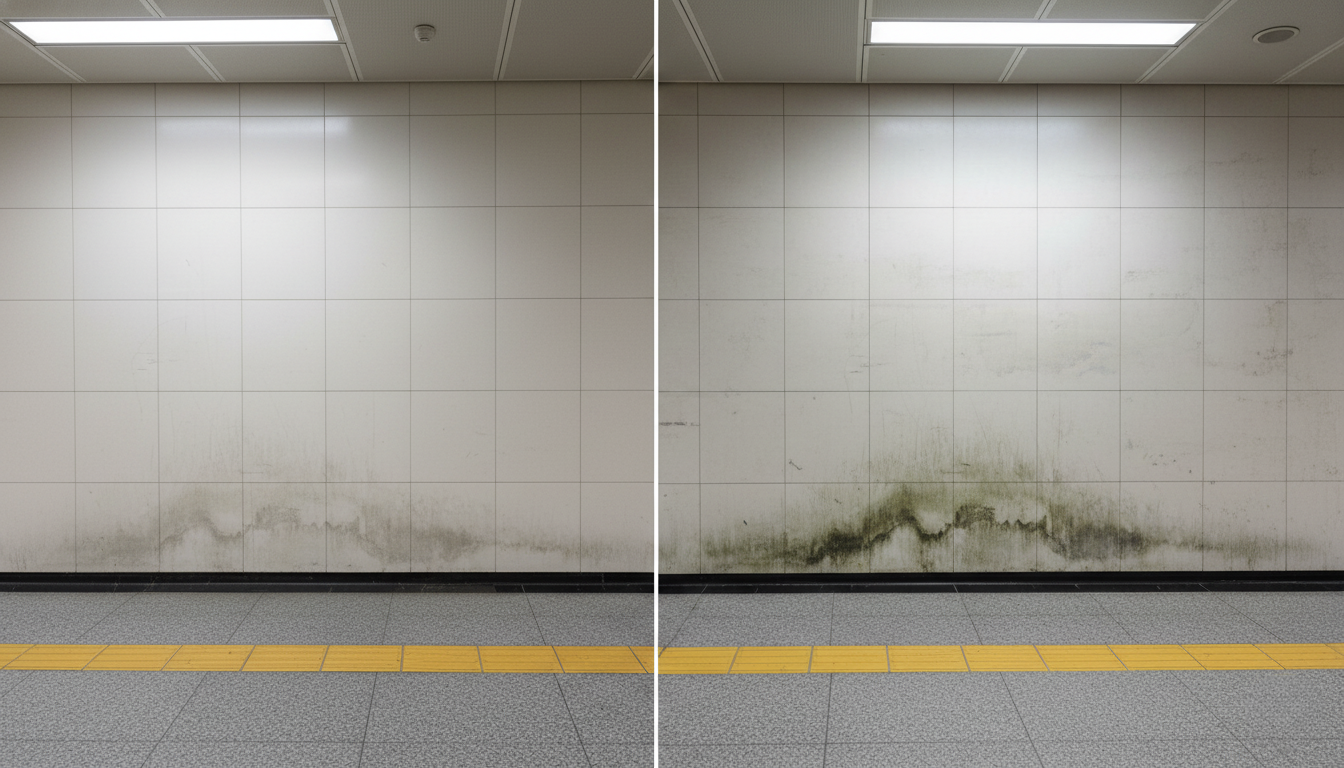
This physical phenomenon, the upward movement of groundwater through microscopic pores (capillaries) in brick, concrete, and mortar against gravity, has consequences far beyond the simple appearance of wetness. Map-like stains on walls, blistering and peeling plaster, and mold and mildew growth are not only aesthetic and hygienic issues but also serious engineering problems that threaten the integrity of a building's structural system.
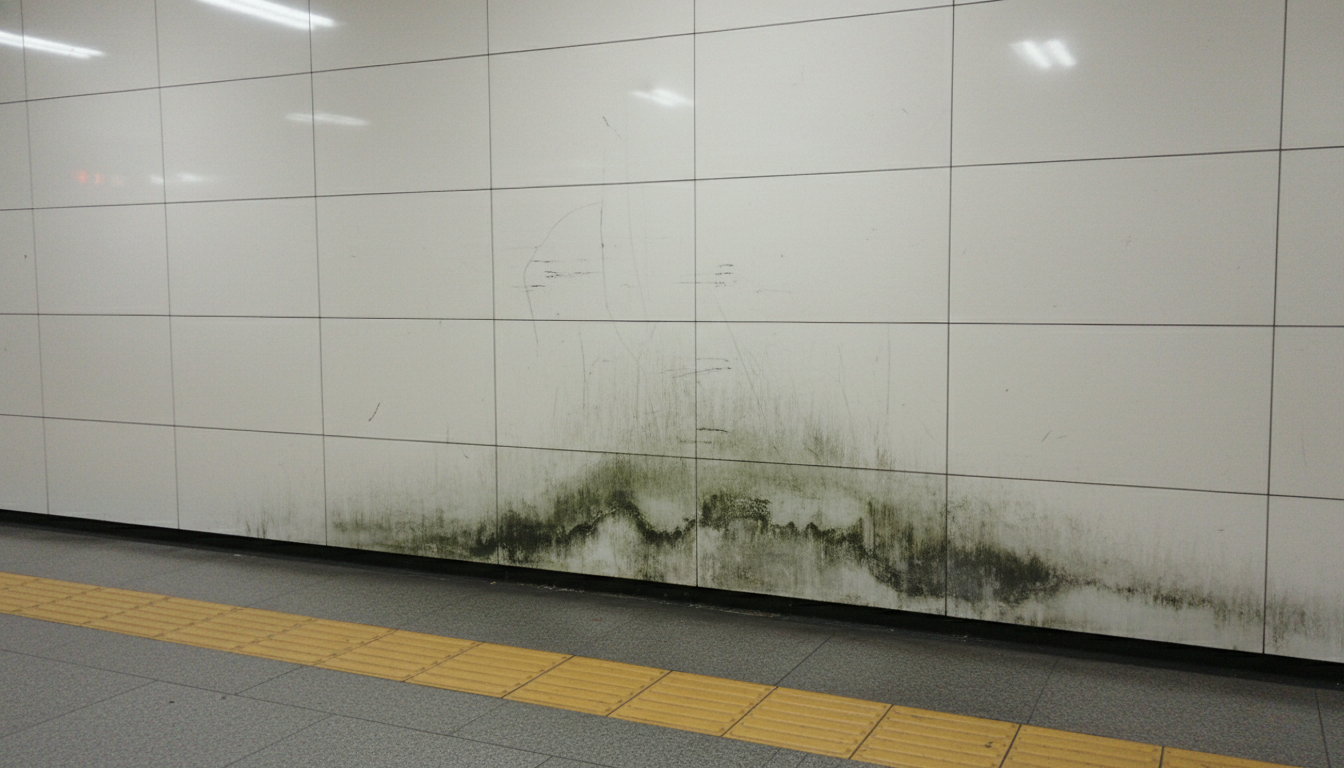 Moisture settles inside the building material, causing internal stresses and disintegration.
The Devastating Effects of Rising Humidity on Metro Stations
The effects of capillary moisture in public and constantly used areas such as metro stations are multidimensional and require urgent intervention:
- Structural Safety Risk: Persistent moisture corrodes the iron reinforcement within the concrete. The rusted iron expands, cracking the surrounding concrete and reducing its load-bearing capacity.
- Health and Comfort: Humid environments are ideal breeding grounds for mold, mildew, and bacteria. These microorganisms can cause serious respiratory problems and allergies for passengers and staff. Furthermore, the resulting "musty odor" negatively impacts the passenger experience.
- Energy Efficiency and Economy: Wet walls have much higher thermal conductivity. This means the station's heating and cooling systems consume more energy, thus increasing operating costs.
- Loss of Aesthetics and Reputation: Regularly peeling paint and stained walls damage the image of the metro operator and create a perception of neglect in the eyes of passengers.
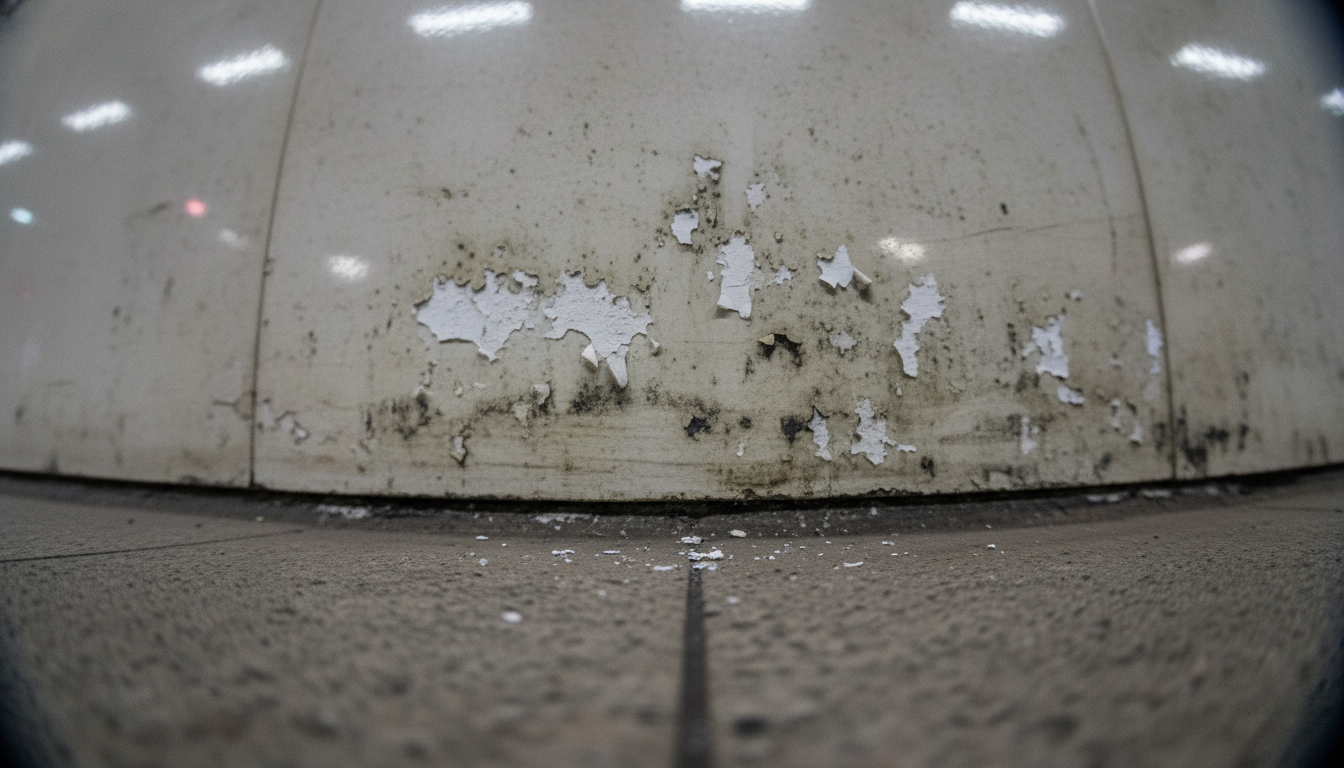 Plaster flaking and aesthetic losses are just the tip of the iceberg.
Why Do Workarounds Fail?
Metro operators and maintenance crews often resort to traditional methods like scraping and re-plastering damp walls or installing makeshift ventilation/drying devices. Unfortunately, these methods are symptomatic treatments and don't address the root of the problem.
As moisture continues to rise from the floor, the same stains and spills reappear within a few months or a year, creating a recurring maintenance cycle that is costly, labor-intensive, and disruptive to station operations.
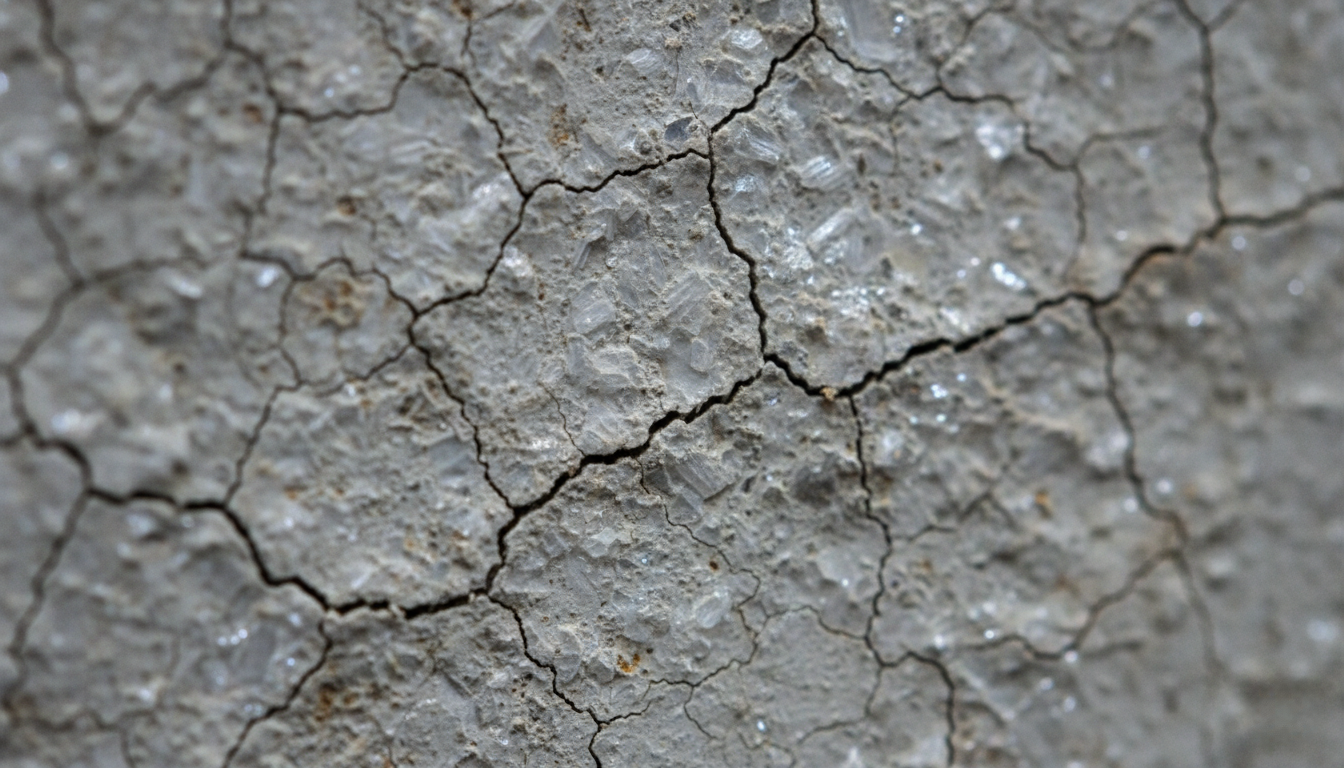 Unless the source of the moisture is cut off, plaster renewal is a temporary solution.
Architect of the Permanent Solution: RESTORA WP 07
To permanently solve the problem, a technology is needed that physically prevents moisture from rising and creates a continuous barrier within the wall. This is where ready-made, cream-like grouting materials like RESTORA WP 07 come into play.
Unlike other liquid or gel products, the cream form does not run off in the area where it is applied, on the contrary, it stays in the target point and fills the wall pores perfectly.
The product is applied without pressure using a cartridge gun. This pressure-free method does not impose additional stress on the wall and is particularly safe for use on old or brittle masonry walls. It creates a continuous, homogeneous, and durable horizontal hydrophobic barrier in the injected area that prevents the passage of water molecules.
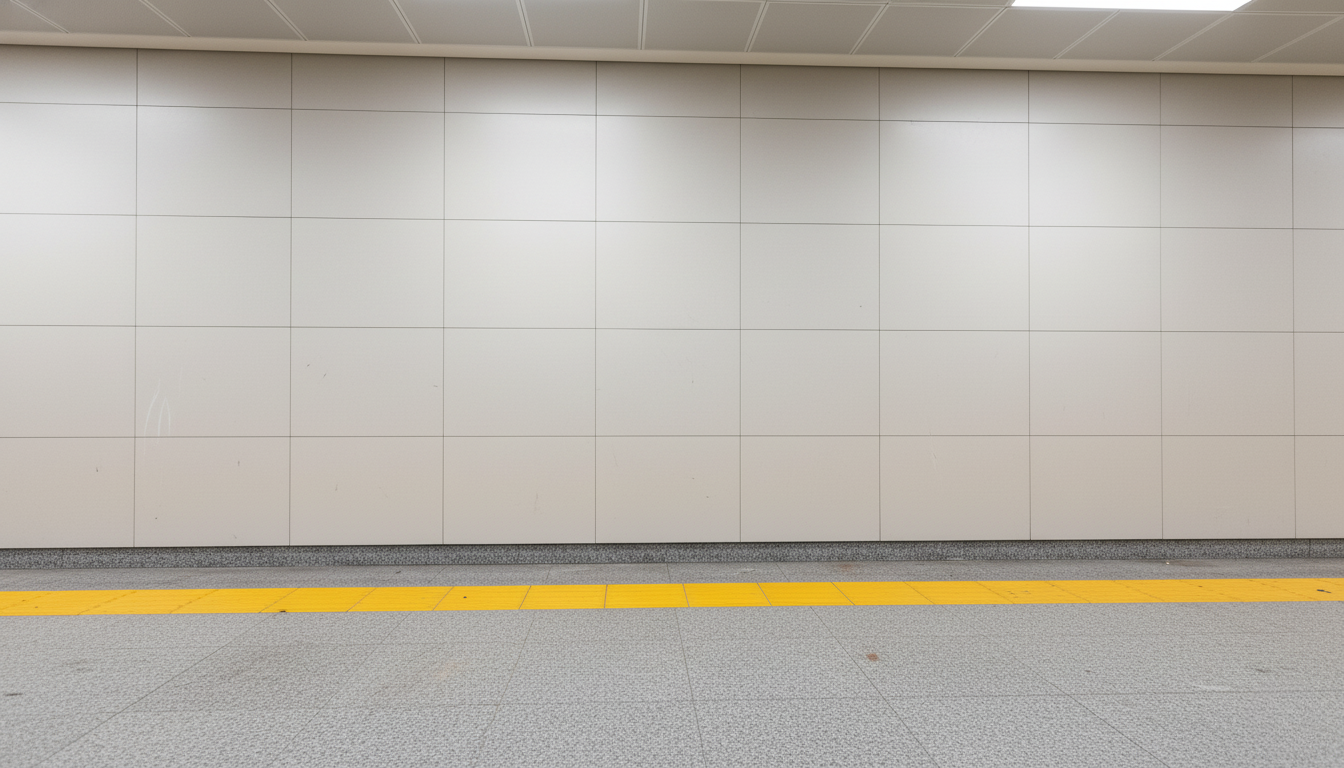
Technical Features and Advantages
Why should RESTORA WP 07 be preferred?
- Form and Ease of Application: The white cream form ensures controlled application because it doesn't run. Pressure-free injection reduces equipment costs and minimizes application errors.
- Sensitive to the Environment and Human Health: It is a water-based product and does not contain Volatile Organic Compounds (VOCs). It can be used safely in closed and crowded metro environments.
- High Performance: Offers high effectiveness with its 70% active content. Its density (0.90 gr/cm³) completely fills the wall pores.
- Economical Solution: Offering a permanent solution, it eliminates recurring repair costs. It is cost-effective with low consumption values of 0.3 - 0.4 Lt/m².
- Fast and Minimal Labor Loss: Application is relatively quick, and the area is ready for use again after 24 hours of drying. It doesn't disrupt metro operations for extended periods.
Protecting Your Building Is Investing in the Future
Metro stations are the lifeblood of a city, and maintaining their structural integrity is essential for public safety. Capillary moisture rise is a threat too serious to ignore.
Put an end to wasted resources and time with temporary plaster replacements and drying efforts. RESTORA WP 07 moisture-reducing cream injection technology is a proven method that solves the problem at its source with a scientific and engineering-based approach.
A permanent solution is achieved through the use of the right materials and the right application.