
Biological Cleaning of Historical Aqueducts: Uzun Kemer and Eğri Kemer

Biological Cleaning of Historical Aqueducts: Uzun Kemer and Eğri Kemer
Uzun Kemer and Eğri Kemer (Kavuk Kemer), which are among the most important witnesses of Istanbul's water engineering history, are undergoing delicate restoration processes to preserve their structural existence that has defied the centuries. Built by Mimar Sinan between 1554 and 1564, these unique historical structures utilized Eco Strip Fungi, one of Letoon's system solutions, to clear the stone surfaces of biological contamination without causing any damage.
Over time, microorganisms such as moss, algae, and lichens form on historical stone surfaces that have been directly exposed to outdoor weather conditions for centuries, due to moisture and environmental factors. These biological layers not only create an aesthetically negative appearance but also penetrate the structure of the stone, accelerating physical deterioration.
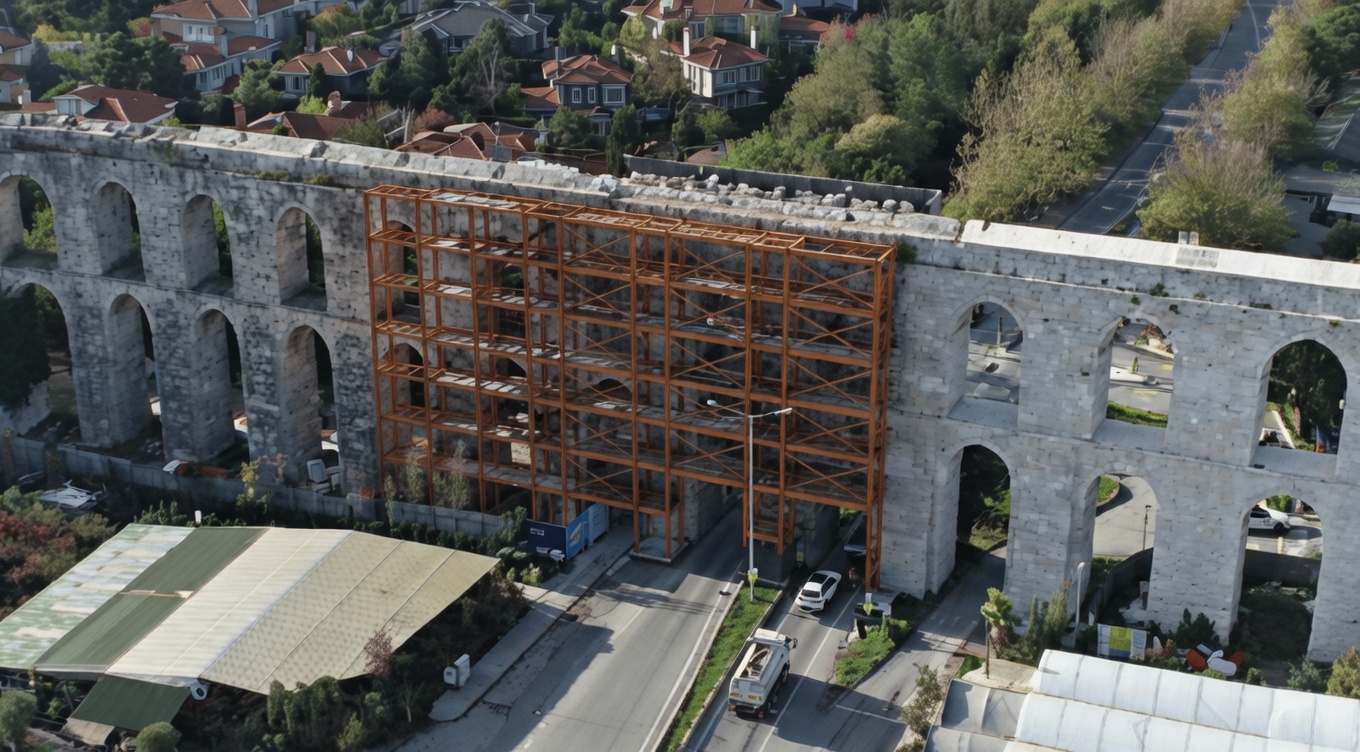
The Legacy of Mimar Sinan: Uzun Kemer and Eğri Kemer
Located within the boundaries of the Göktürk neighborhood in Istanbul's Eyüpsultan district, Uzun Kemer (the Long Aqueduct) was built between 1554 and 1564 on foundations dating back to the Roman era. Holding the title of the longest surviving aqueduct today, this monument is one of the most critical hubs of the city's waterway network.
Located in the Kemerburgaz area and built during the same period, Eğri Kemer (Kavuk Kemer / Crooked Aqueduct) is another masterpiece of water engineering where Byzantine infrastructure merges with the vertical architectural genius of Mimar Sinan. The surface cleaning techniques applied during the restoration phase are of great importance to safely transmit both structures to the present day.
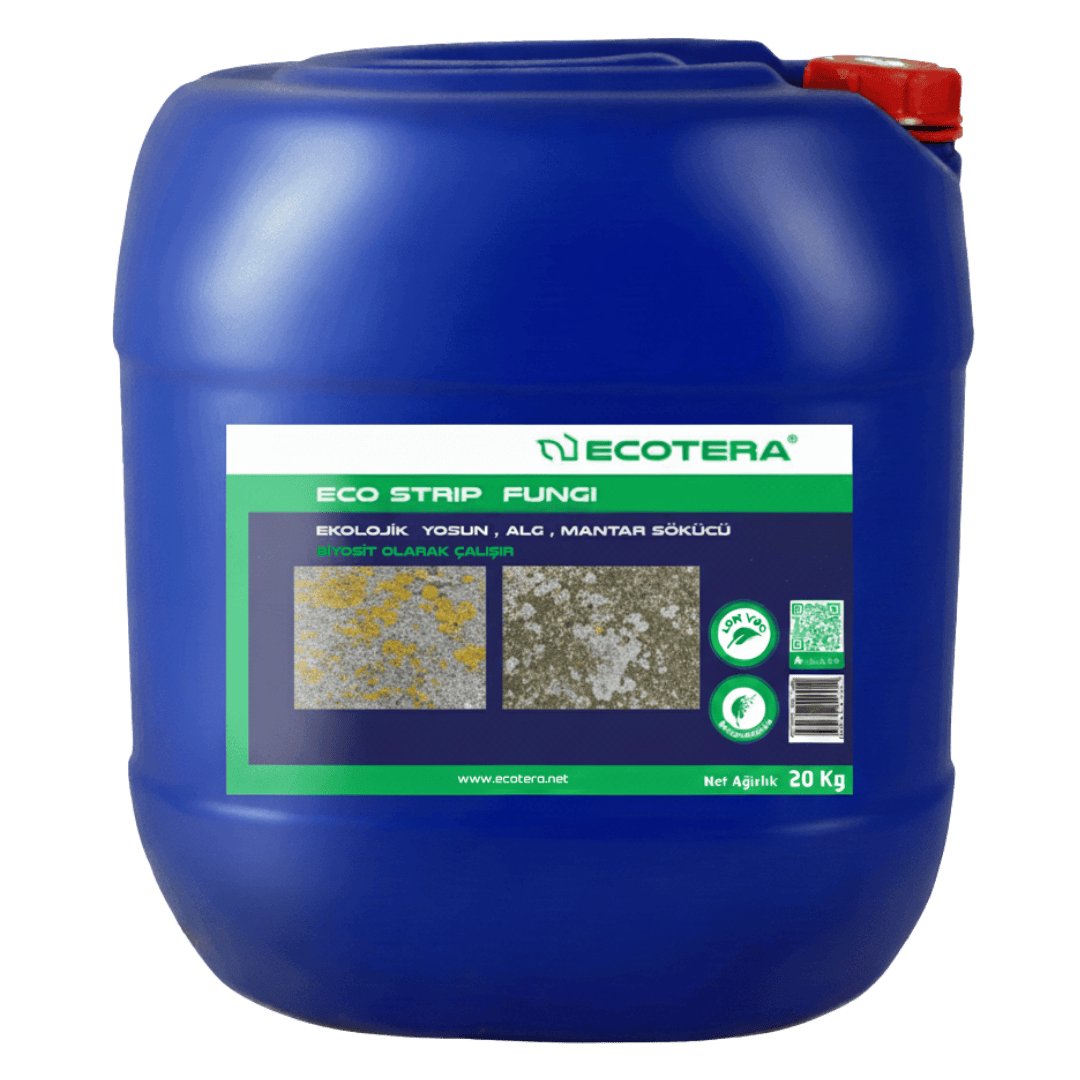 Eco-friendly cleaner developed against biological contamination: Eco Strip Fungi
Ecological and Delicate Cleaning with Eco Strip Fungi
When cleaning historical stone and mineral surfaces, mechanical methods or abrasive chemicals can cause irreversible damage to the surface texture and the historic patina. Eco Strip Fungi, preferred in this project, features a special formula that eliminates bacteria, moss, fungi, and lichens from the surface without damaging the stone's structure.
The product's formulation is designed to protect the physical properties of the applied surface while minimizing environmental biological degradation:
- Deep Biological Decontamination: Deeply cleans moss, algae, bacteria, and fungi accumulations on natural stone, concrete, and brick surfaces.
- Respectful to Nature and Human Health: Thanks to its biodegradable structure, it does not harm the environment and harmonizes with the natural life surrounding the historical site.
- Compatible with Delicate Surfaces: Performs cleaning without damaging the surface texture and without causing abrasion.
- Wide Range of Application: Possesses high penetration capability on porous mineral surfaces.
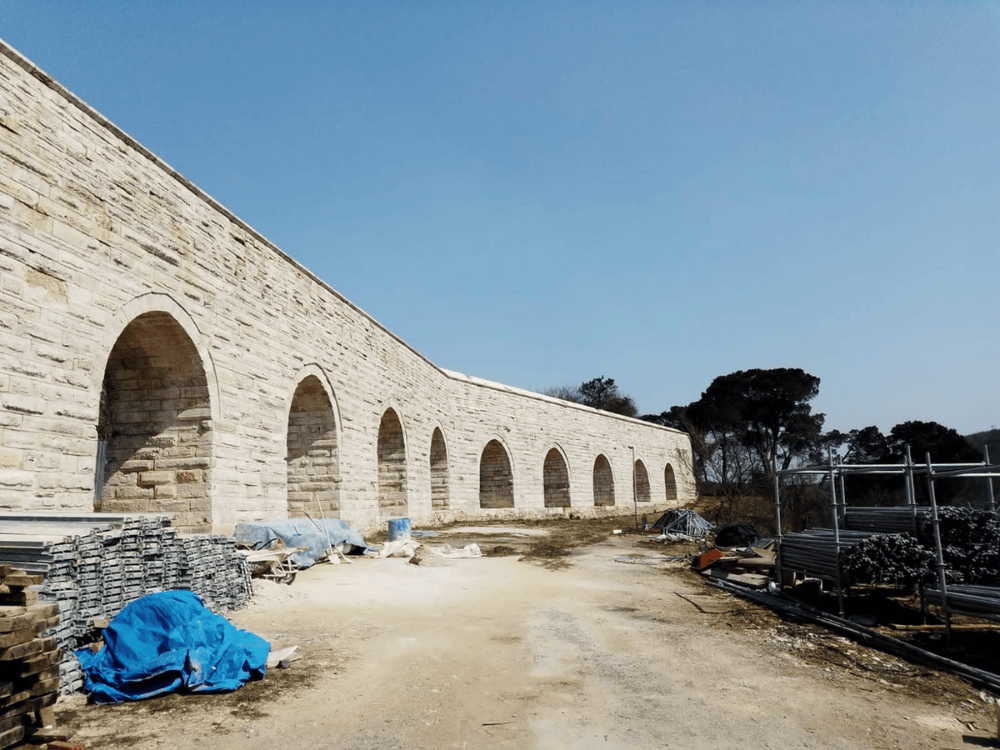
Correct Application Steps in Restoration
Eco Strip Fungi is applied homogeneously to deeply clean the microorganisms on the surface. Following the application, the original color tones and texture of the historical stone are brought back to light without damage.
The success of restoration work on historical buildings depends on the compatibility of the materials used with the physics of the structure. Once the ecological cleaning phase is completed, the surfaces are prepared for subsequent preservation steps, extending the lifespan of the structures.