
Capillary Moisture Formation on Walls: Causes and Effective Solutions

Capillary Moisture Formation on Walls: Causes and Effective Solutions
Humidity problems in homes and workplaces manifest primarily through capillary moisture formation in walls. This can threaten the durability of buildings and lead to health problems.
What is Capillary Moisture and How Does It Form?
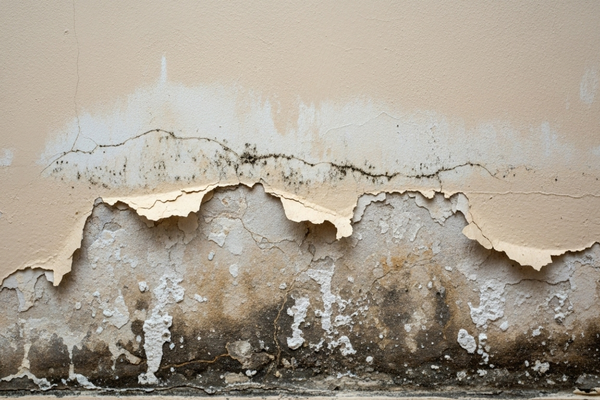
Capillary moisture is a problem caused by the porous nature of building materials. Water moves upward from the ground, reaching the walls and accumulating there. This condition, particularly seen in brick, concrete, and masonry structures, stems from the building materials' ability to absorb water.
Capillary moisture is more common in areas with high groundwater levels or in buildings with poor waterproofing. Over time, it causes problems such as dampness, swelling, peeling paint, and mold growth in walls.
What are the Harms of Capillary Moisture?
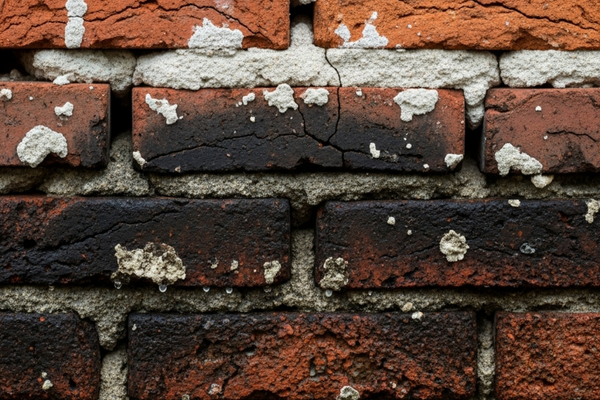
Capillary moisture isn't just an aesthetic problem; it can cause serious structural damage and health problems in the long run.
- Structural Damage: Moisture weakens the load-bearing system of walls, causing cracking of materials with freeze-thaw cycles.
Mold and Fungus Growth: Humid environments create an ideal habitat for mold and fungus, which can lead to respiratory illnesses and allergic reactions.
- Deterioration of Thermal Insulation: Damp walls lose their thermal insulation properties, reduce energy efficiency and increase heating costs.
How to Prevent Capillary Dampness?
The most effective way to prevent capillary moisture is to create a barrier that prevents water from seeping upward. While traditional methods offer temporary solutions, modern materials offer permanent protection.
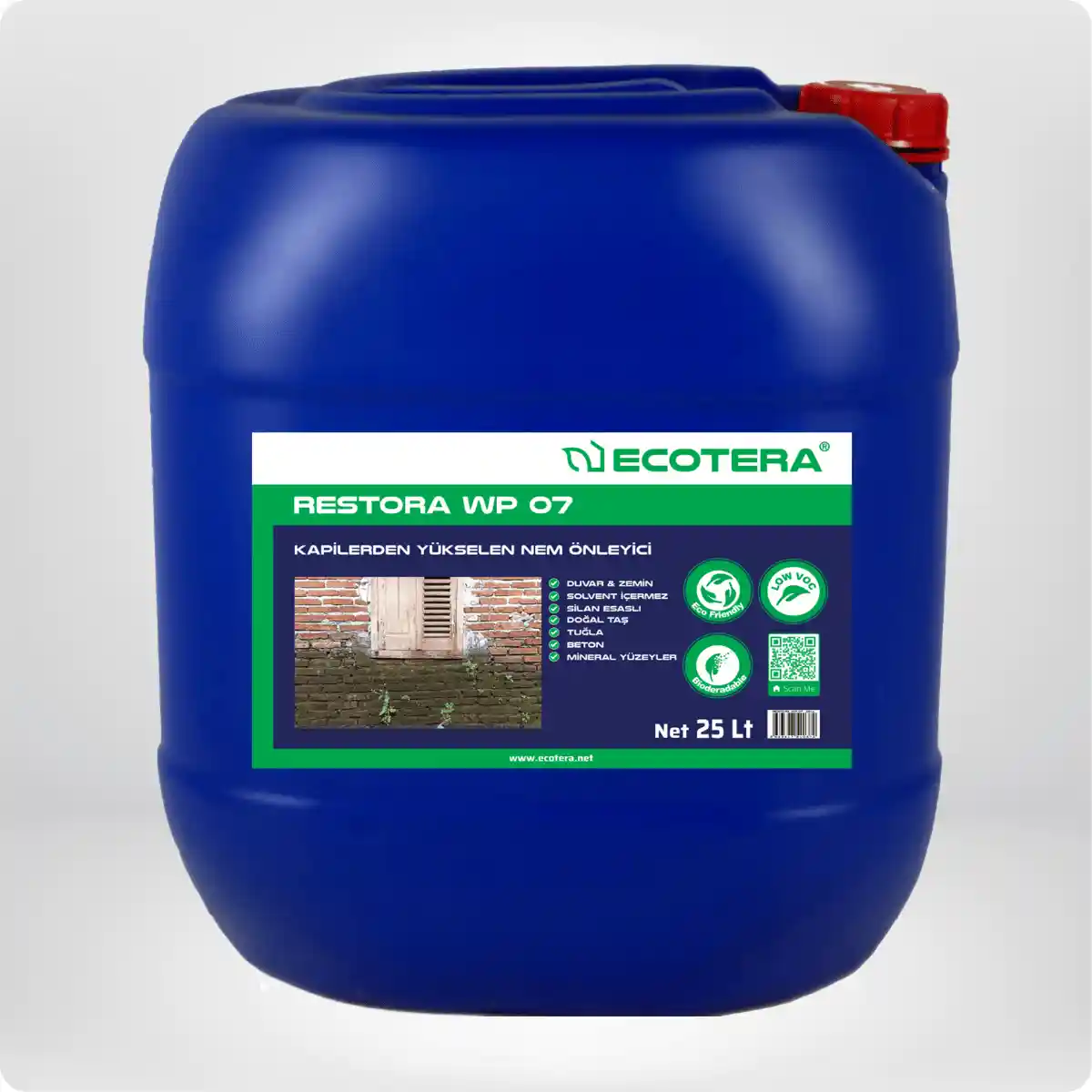
Injection-based sealants like Restora WP 07 create a horizontal water barrier on walls, preventing moisture from rising. During application, holes are drilled into the wall at specific intervals and filled with the injection material. The material spreads within the wall, creating a waterproof layer.
Additional Precautions to Protect from Capillary Moisture
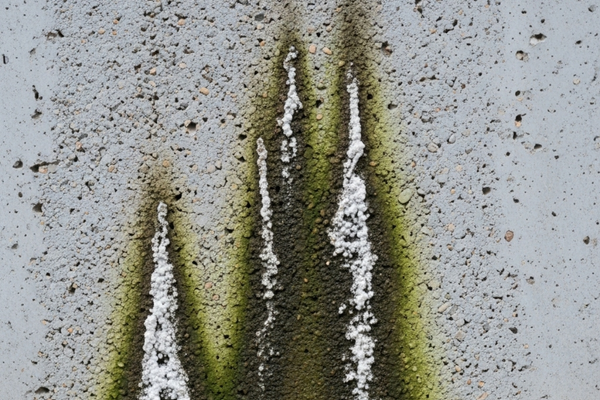
- Proper Ventilation: Regular ventilation of homes reduces moisture accumulation.
- Waterproofing: Waterproofing the building foundation and walls prevents moisture from seeping in.
- Moisture-Proofing Materials: Moisture-absorbing devices and special insulation paints help control moisture.
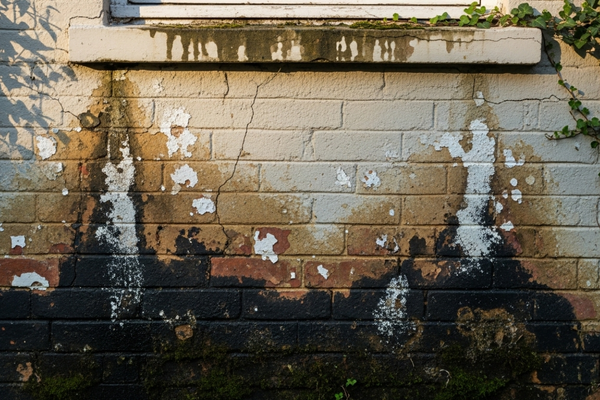
Capillary moisture is a significant problem that shortens the lifespan of buildings and poses a health risk. With the right materials and applications, this problem can be permanently resolved. Creating a horizontal barrier on walls using effective products like Restora WP 07 provides long-term protection.
If you are experiencing moisture and humidity problems in your homes and workplaces, professional solutions can protect your structures and create a healthy and comfortable living space.
For More Information, You Can Check Out Our Capillary Dampness Prevention Page or Our Other Blog Posts ...
Author: Ecotera.net
Best regards...