
Causes of Moss, Algae and Fungi Formation in Architectural Structures and Preventive Strategies

Moss, Algae and Fungi Formation in Architectural Structures
Over time, architectural structures can be invaded by biological organisms due to environmental factors. Specifically, moss, algae, and fungal colonization can degrade the physical and chemical properties of building materials, leading to aesthetic and structural problems.
The Role of Moisture and Water Management
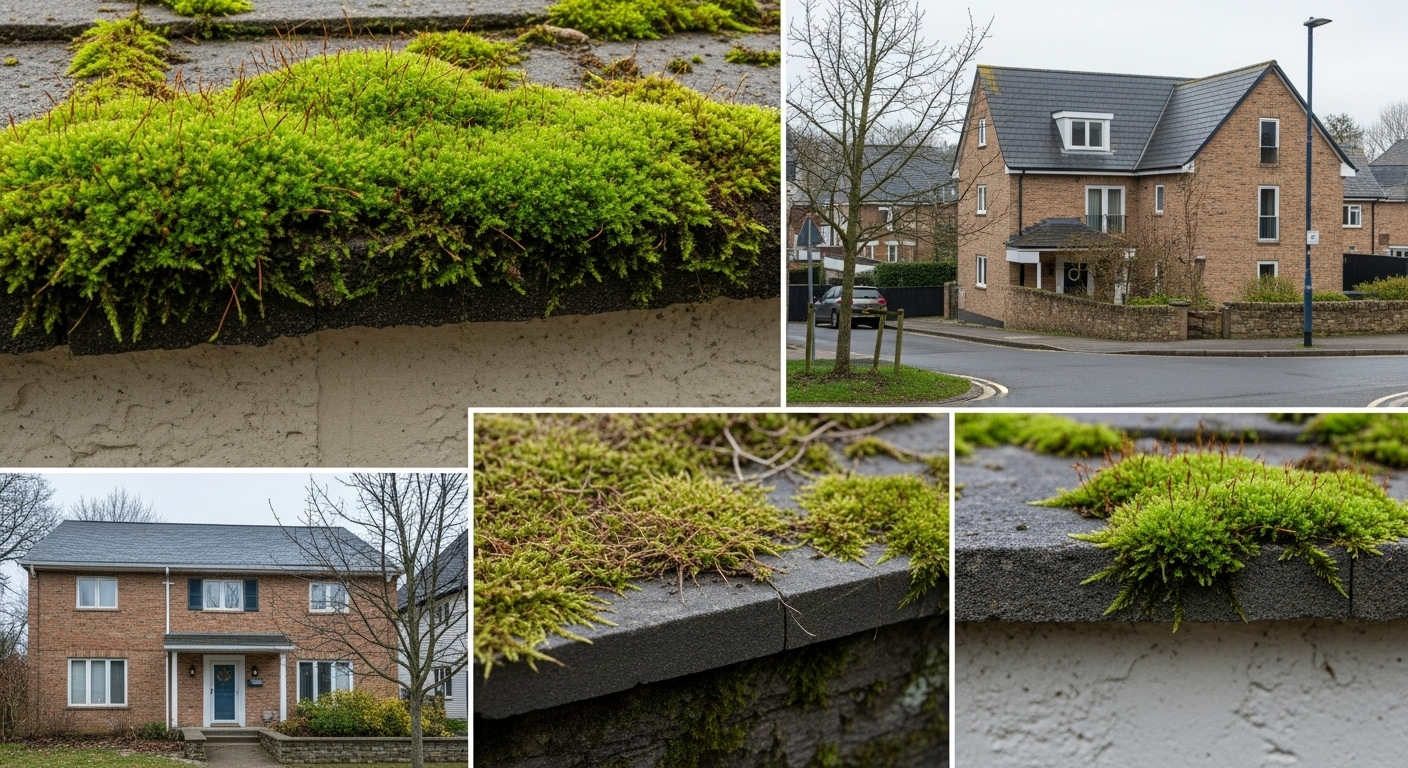
The most critical trigger for moss and fungus growth in architectural structures is prolonged moisture accumulation on surfaces. Water penetrates the pores of the material and:
It moves into the walls with capillary action, paving the way for microscopic biofilm formation on the surface and reducing material resistance through hydraulic abrasion.
Particularly the weak points of the structure, such as joints, under balconies, roof skirts, and basement curtain walls, are vulnerable to biological colonization due to their moisture-retaining properties.
Water accumulation on unsloped surfaces, internal condensation caused by thermal bridges, and improper waterproofing details accelerate biological growth. In modern architecture, sloped surfaces, gutters, and hydrophobic coatings are used to minimize this problem.
Solar Radiation and Microclimate Effects
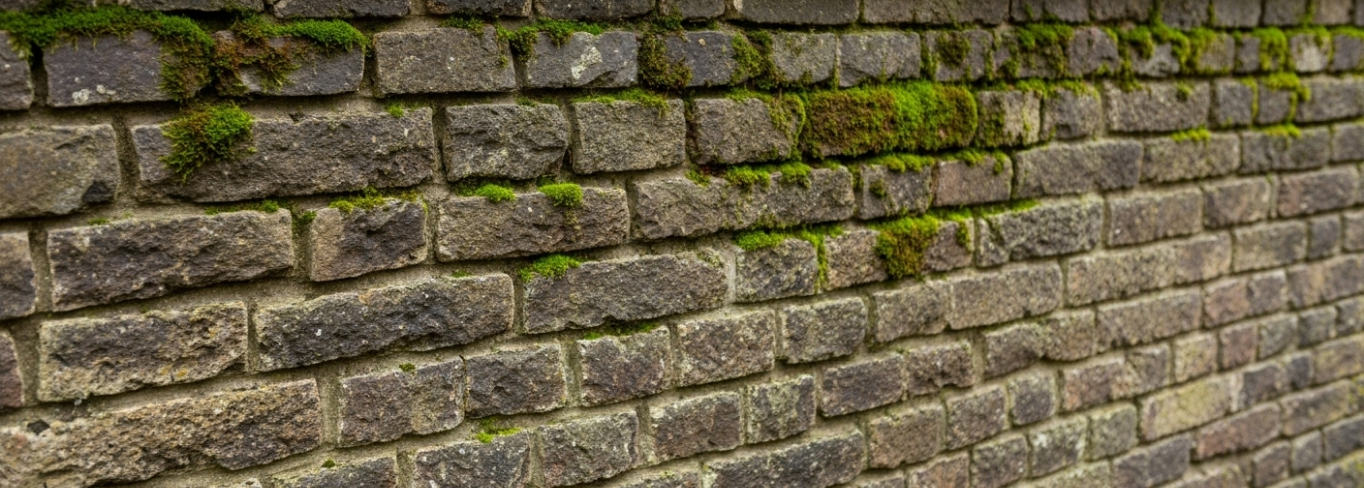
Sunlight, a natural antibacterial agent, inhibits algae spores. However, northern facades and narrow street surfaces are deprived of UV radiation, leading to biological growth. In architectural projects, critical areas should be identified by solar orbital analysis, and surface material selection should be optimized accordingly.
Salt crystallization and moisture accumulation in seaside structures, leaf fall and organic accumulation in forest areas, and acidic rainfall in industrial areas cause material surfaces to become vulnerable to biological cycles.
Materials Science and Surface Texturing
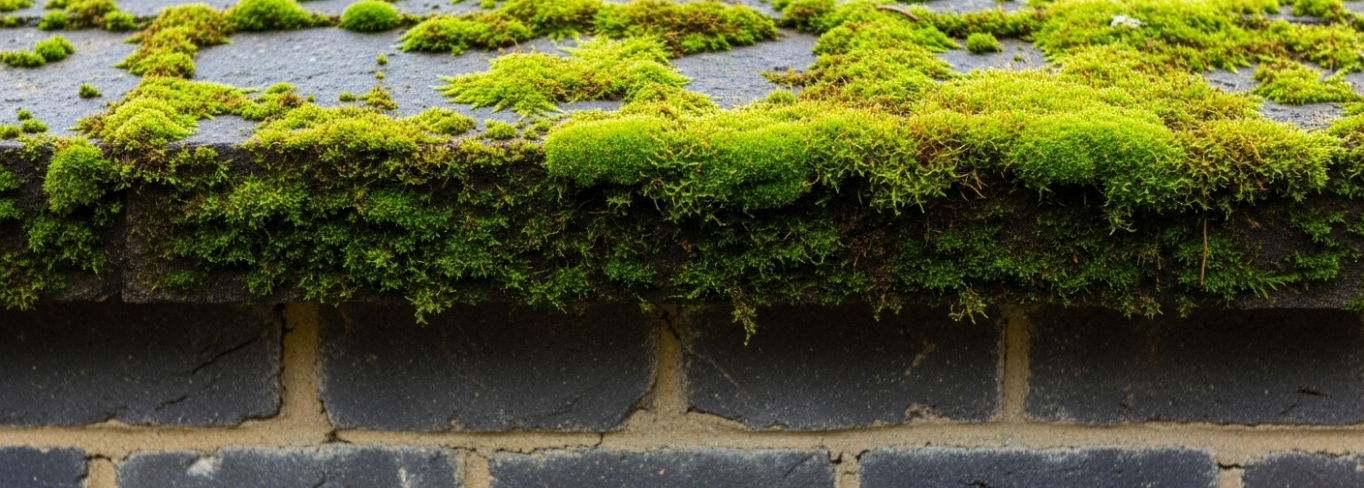
Natural stone, brick, reinforced concrete surfaces, and wood veneers encourage biofilm formation due to their high water absorption capacity. In contrast, glass surfaces, metal panels, and nanotechnological hydrophobic coatings are more resistant due to their water-repellent properties.
Alkaline surfaces (e.g., cement-based plasters) slow fungal growth, while acidic environments (wood, some natural stones) encourage organic growth. A pH range of 8-9 should be preferred when selecting materials.
Architectural Details and Construction Errors
Wide joint gaps and non-flexible filling materials allow water leakage. The right solution: Epoxy-based joint fillers, mobile joint systems, facade details with drainage channels.
Discontinuities in thermal insulation create sweating on interior surfaces. This leads to invisible damage such as fungal colonies within walls and mold behind drywall. Risk areas should be identified early using heat calculations and thermal camera analysis.
Preventive Architectural Strategies
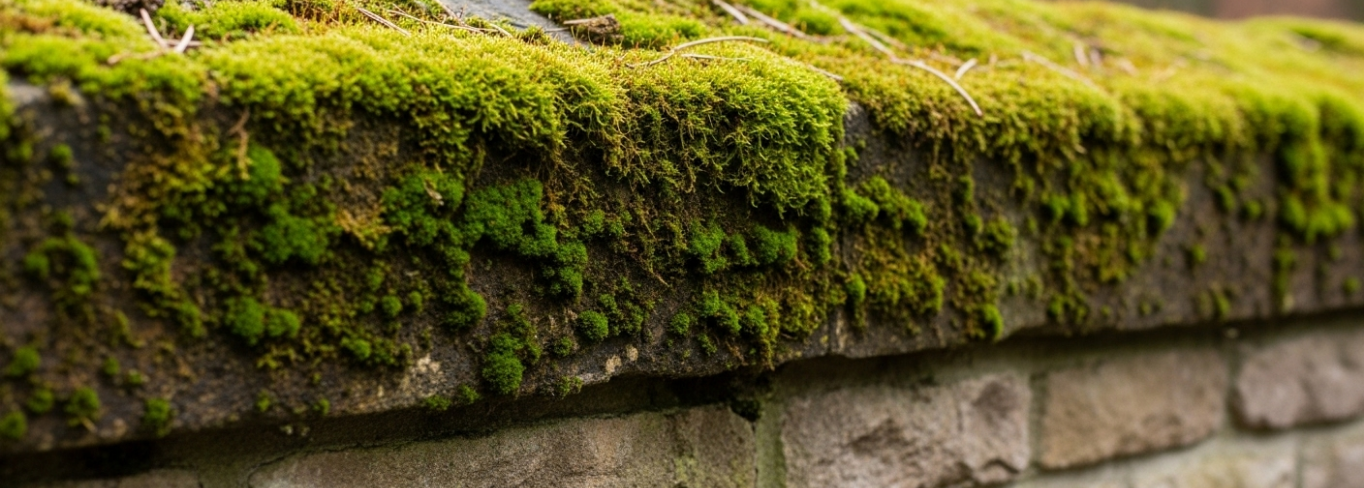
Eaves extensions (divert rainwater away from the surface), ventilated façade openings (provide air circulation), reflective surface coatings (increase heat and UV resistance).
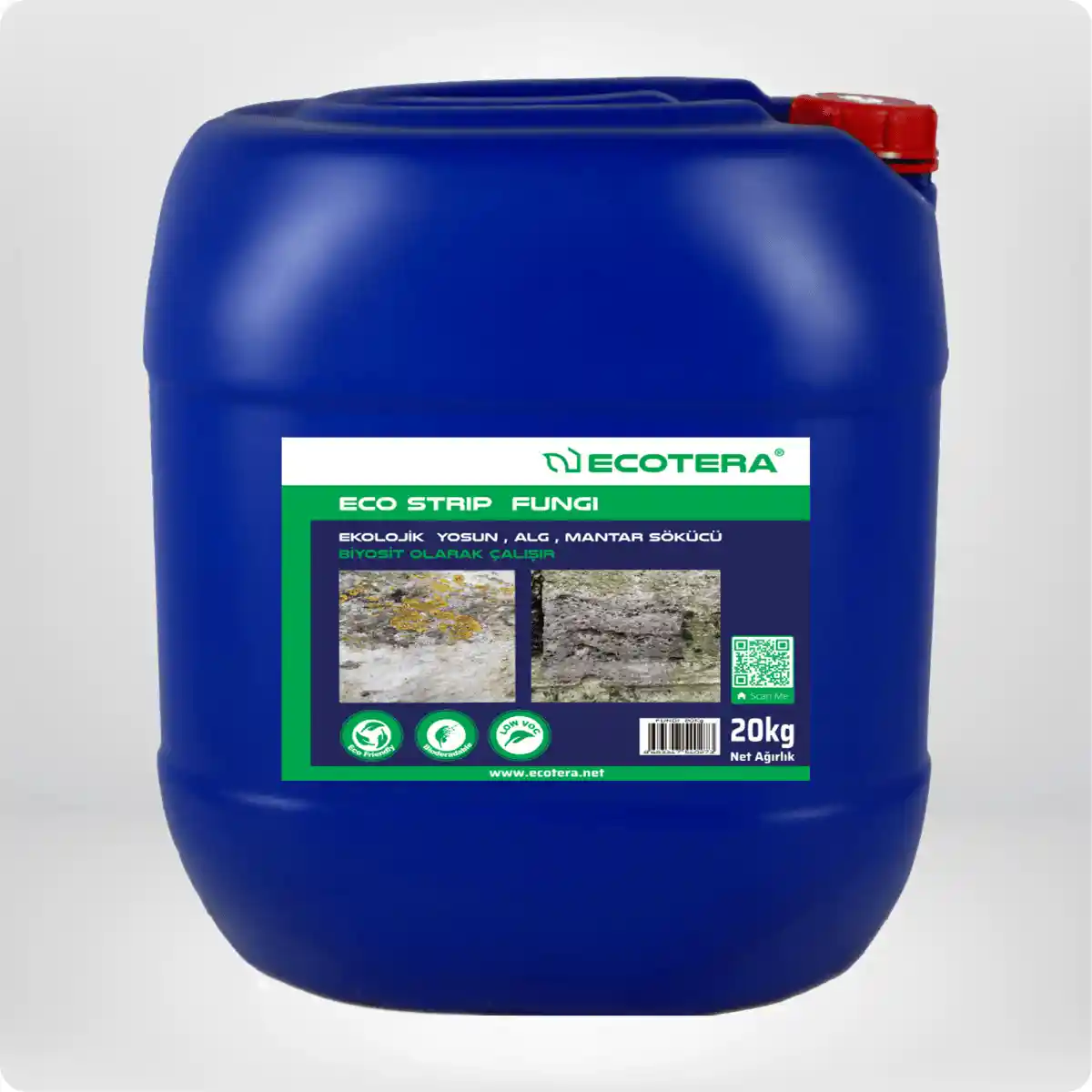
Biological inhibitors such as Eco Strip Fungi (long-term protection without chemical degradation), electrochemical desalination (on salt-sensitive surfaces), photocatalytic nano-coatings (self-cleaning surfaces using solar energy).
Preventive design principles developed at the intersection of building biology and materials science will extend the life of the building. During the project phase:
- Microclimate analysis,
- Material performance simulations,
- Detail analysis,
This should be done. For existing buildings, preventive maintenance programs should be implemented using environmentally friendly biocides such as ECO STRIP FUNGI . This comprehensive approach will ensure architectural structures are resistant to biological deterioration while also preserving their aesthetic integrity.
For More Information, You Can Check Out Our Other Blog Posts orthe Moss and Fungus Cleaning Section...
Other Blogs:
Capillary Moisture Formation on Walls
Salt Cleaning, Salt Crystallization
Author: Ecotera.net
Best regards...