
Correct Surface Preparation with Bausand 80 and 120 Sandpaper

Qualified Surface Preparation: Correct Sandpaper Selection and Application Principles
The success of applications carried out on wood, metal, painted, or puttied surfaces depends largely on the quality of substrate preparation. A surface that has not been correctly structured directly compromises the durability of any paint, primer, or varnish applied over it.
The Bausand Sandpaper Series has been developed to meet professional expectations by combining high abrasive power with long-lasting usage features. Its durable structure, coated with high-quality aluminum oxide or silicon carbide minerals, delivers a steady performance even on the most demanding substrates.
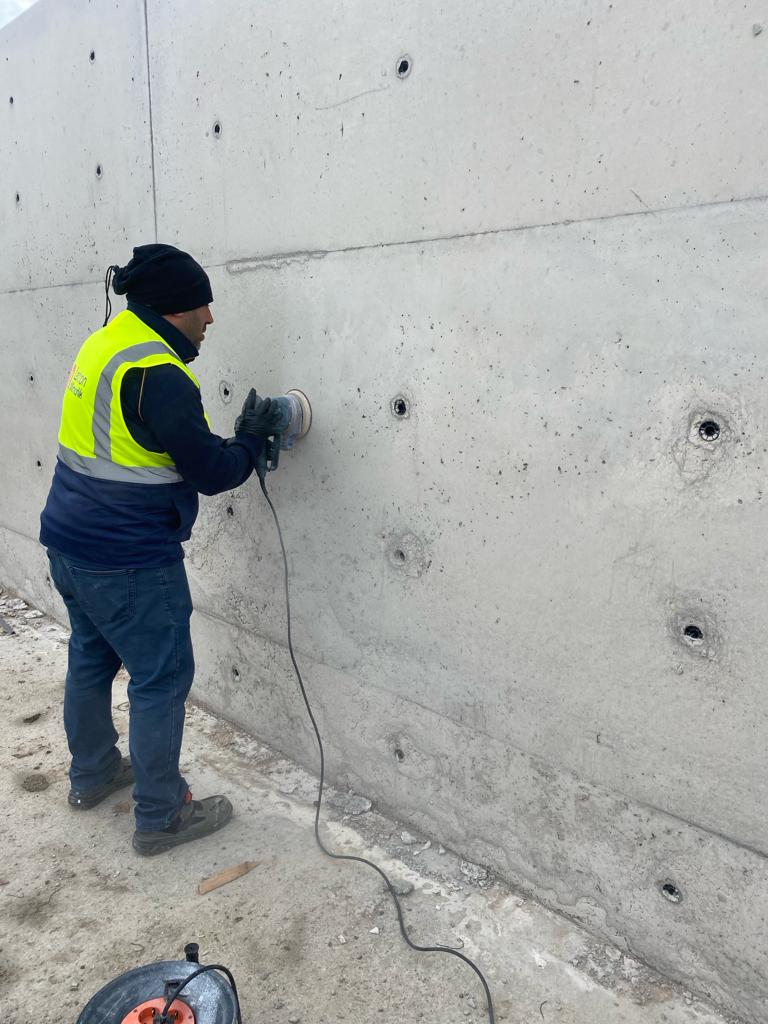 Coated with high-quality abrasive minerals, Bausand sandpapers help minimize labor loss during surface preparation processes.
Bausand 80: Strong Abrasion and Rough Cleaning
Rough abrasion, the first and most critical step of the sanding process, aims to remove old and deformed layers from the surface. The Bausand 80 grit option provides the necessary performance at this initial stage with its high stock removal capacity.
The main application areas and functions of Bausand 80 grit sandpaper include:
- Rough Sanding: Thanks to its high abrasive power, it rapidly strips away accumulated layers of old paint, varnish, or rust to reveal a clean substrate.
- Shaping: It smooths out deep irregularities, height variances, and imbalances on wooden surfaces, facilitating the shaping of the material.
- Putty Leveling: It is highly effective in rapidly leveling rough filler and excess putty applied in the construction and automotive sectors.
- Substrate Preparation: It is the most critical step for eliminating major defects on the surface before proceeding to finer (120 grit and above) sanding phases.
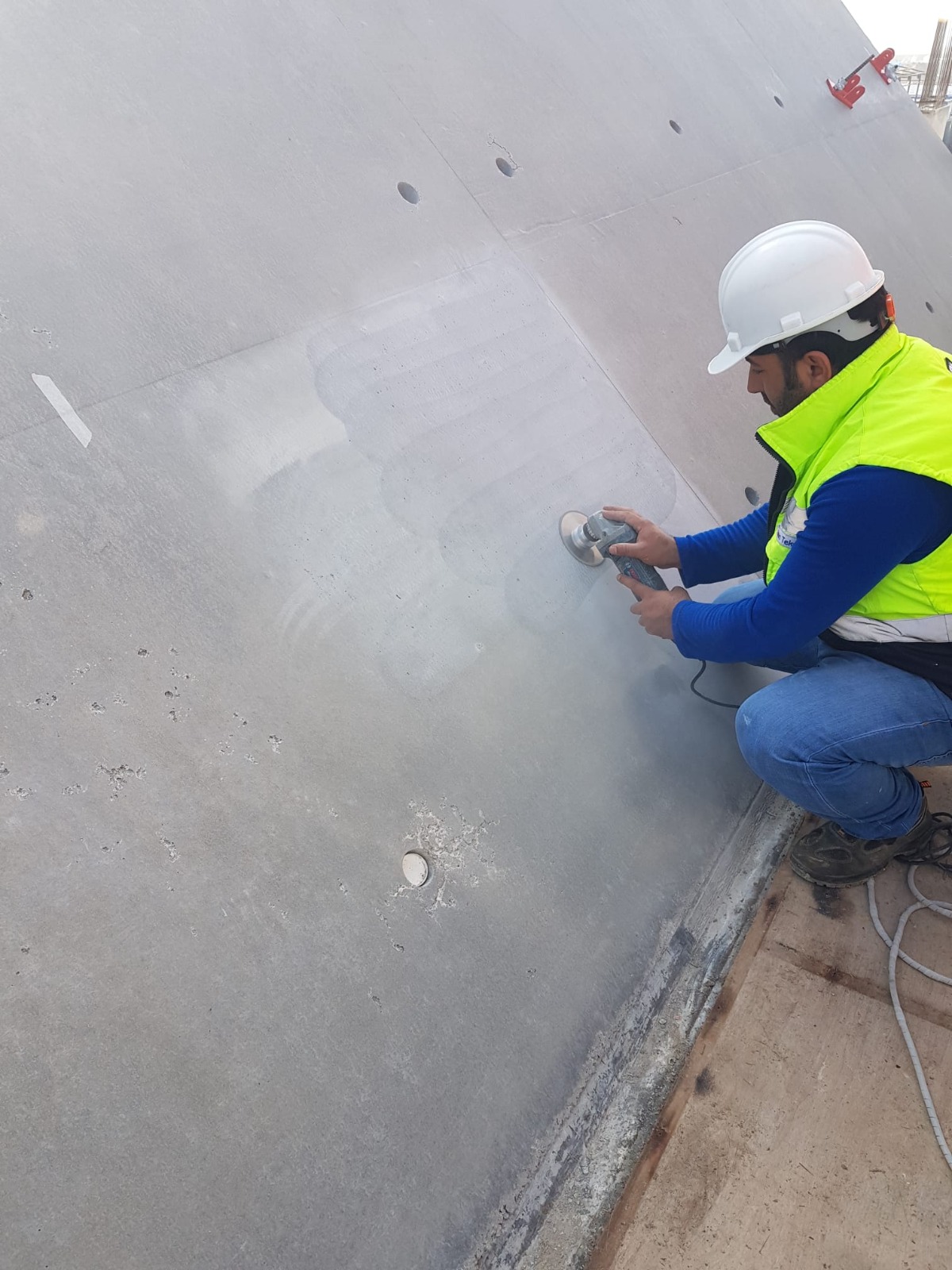 Sandpaper rolls with different grit sizes offer flexibility suitable for both manual use and sanding blocks.
Bausand 120: Fine Smoothing and Finish Coat Preparation
Following the rough abrasion process, the surface must be prepared for the final coat. Bausand 120 grit sandpaper provides an ideal intermediate and finishing stage to achieve a smoother texture and reduce the scratch depth on the surface before paint or varnish application.
Solutions provided by Bausand 120 grit sandpaper:
- Medium/Fine Sanding: Eliminates the noticeable marks and scratches left on the surface by coarse abrasives like 80 grit, creating a more homogeneous texture.
- Pre-Paint and Primer Preparation: It dulls the surface to an ideal degree, ensuring that the newly applied paint adheres better mechanically.
- Precision Woodworking: Used in furniture manufacturing and detailed woodwork projects for softening sharp edges and removing rough spots.
- Finish Coat Substrate: Ensures the material achieves a smooth texture prior to the application of varnish, lacquer, or final coat paint.
Key Features of the Bausand Series
Distinct from standard abrasives, Bausand sandpapers possess technical advantages that optimize workflow processes:
- Tear-Resistant Backing: Thanks to its durable and flexible backing structure, it allows tear-free operation, particularly around corner turns and contoured surfaces.
- Anti-Clogging Technology: It has a long service life thanks to its homogeneous coating that prevents sanding dust generated during work from sticking to the paper surface.
- Balanced Scratch Pattern: The evenly distributed abrasive mineral structure prevents uncontrolled and deep regional scratches from forming on the surface.
- Versatile Use: Depending on the specifications of the product series, it can be confidently preferred in both dry and wet working environments.
Common Application Areas
Catering to a wide industrial spectrum, the Bausand sandpaper series is highly preferred in the following areas:
- Wood and Furniture Industry: Raw wood cleaning, pre-polishing preparation, removal of old lacquer and paints.
- Automotive and Bodywork: Vehicle surface preparation before painting, putty leveling, and dulling of old painted surfaces.
- Construction and Decoration: Drywall joints, wall putties, and substrate leveling operations before painting.
- Metal Industry: Rust removal, deburring operations, and preparing metal surfaces for paint.
Practical Tips for Efficient Sanding
To obtain maximum performance from the sandpaper and prevent material waste, it is recommended to pay attention to the following basic rules:
- Applying Correct Pressure: Avoid applying excessive force to the paper while sanding. Allowing Bausand's cutting minerals to work under their own weight both extends the life of the paper and prevents surface wear.
- Grit Sequence: Always start with a lower grit value (coarse, e.g., Bausand 80) and progressively transition to a higher grit value (fine, e.g., Bausand 120).
- Sanding Block Usage: For wide and flat sanding areas, always apply the sandpaper using a block to ensure a homogeneous result and prevent the surface from becoming wavy.
In conclusion, Bausand 80 and Bausand 120 grit options offer balanced and steady support to professional applications from rough abrasion to final coat preparation, thanks to their durable structure and anti-clogging technologies.