
Critical Problems Caused by Wood on Concrete and Stone Surfaces

Critical Problems Caused by Wood on Concrete and Stone Surfaces
Wood, with its warmth and naturalness, is an essential material in architecture. However, when combined with other materials like stone or concrete, unexpected problems can arise. These problems not only pose aesthetic concerns but also pose structural risks. Here are the most common problems that arise from wood's contact with concrete and stone surfaces and their causes:
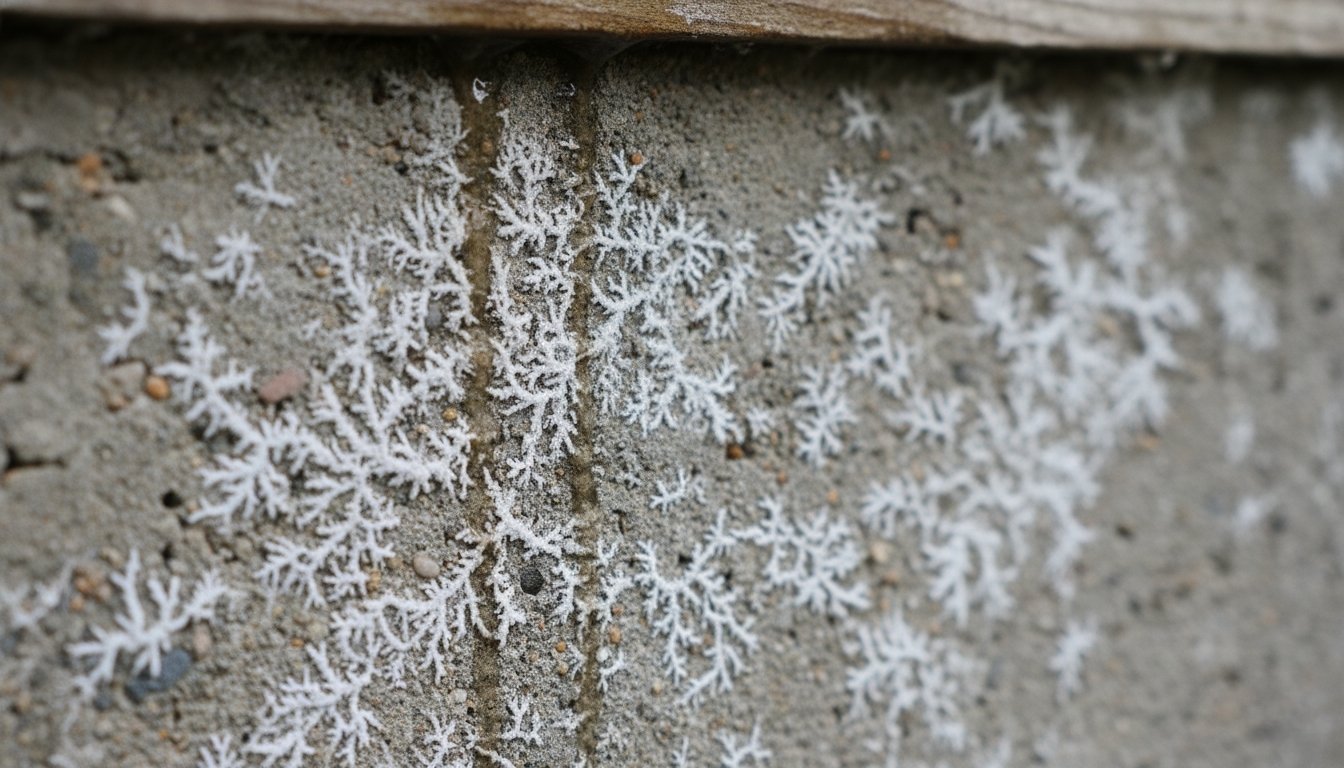
Flowering (Eflorescence)
Wood acts like a natural sponge, absorbing moisture and transferring it to the concrete or stone surface it comes into contact with. Salts dissolved in the water within the concrete rise to the surface along with the moisture, leaving a white, powdery crust behind when the water evaporates. This is called efflorescence.
Results: An aesthetically unsightly white coating on the surface. Over time, it causes the surface to wear and weaken. It also leads to joint deterioration.
Solution product: Restora Desalt
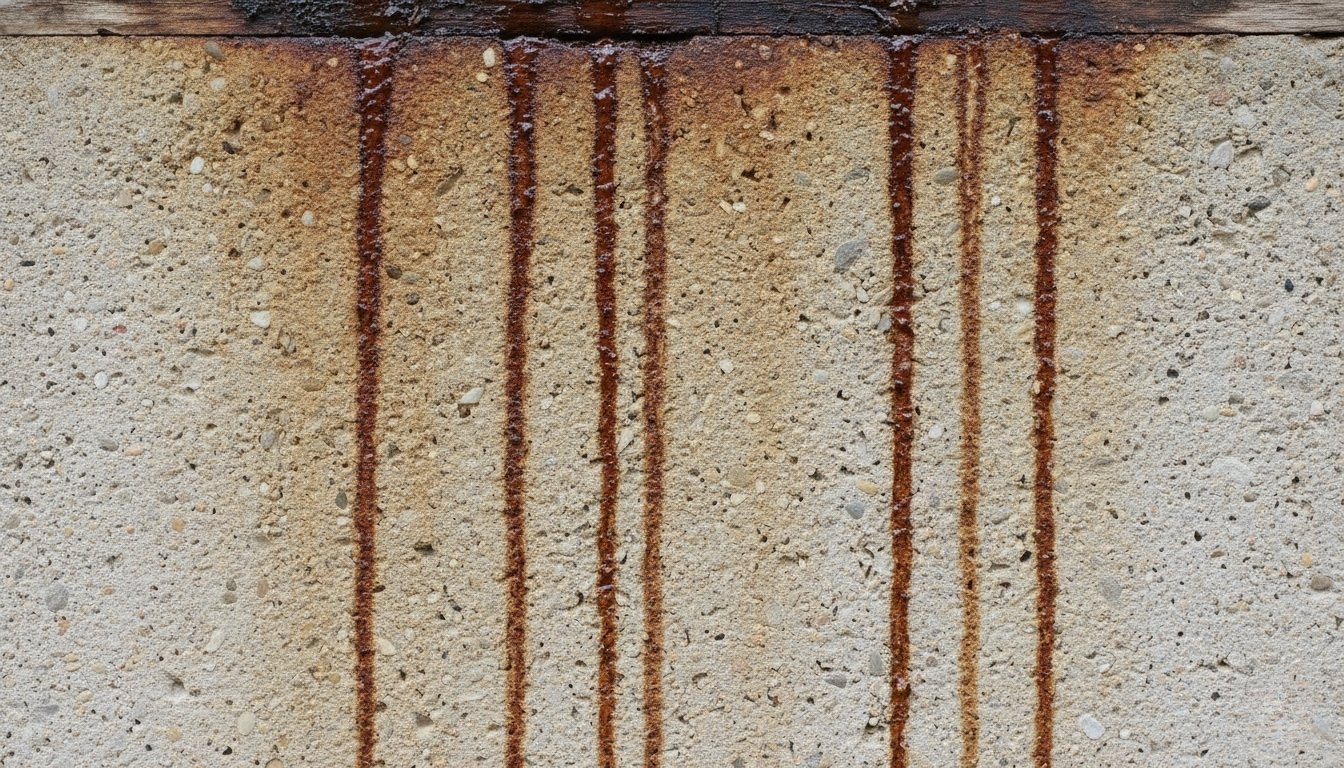
Tannin Stain
Tree species, particularly oak, pine, and cedar, naturally contain organic compounds called tannins. Rain or moisture causes these tannins to leach from the wood. They leave permanent brown-black stains on light-colored surfaces like concrete, marble, or travertine.
Results: Stains from runoff seeping down the concrete or stone surface. Stains that are very difficult to clean on light-colored natural stone.
Solution product: Restora Clean
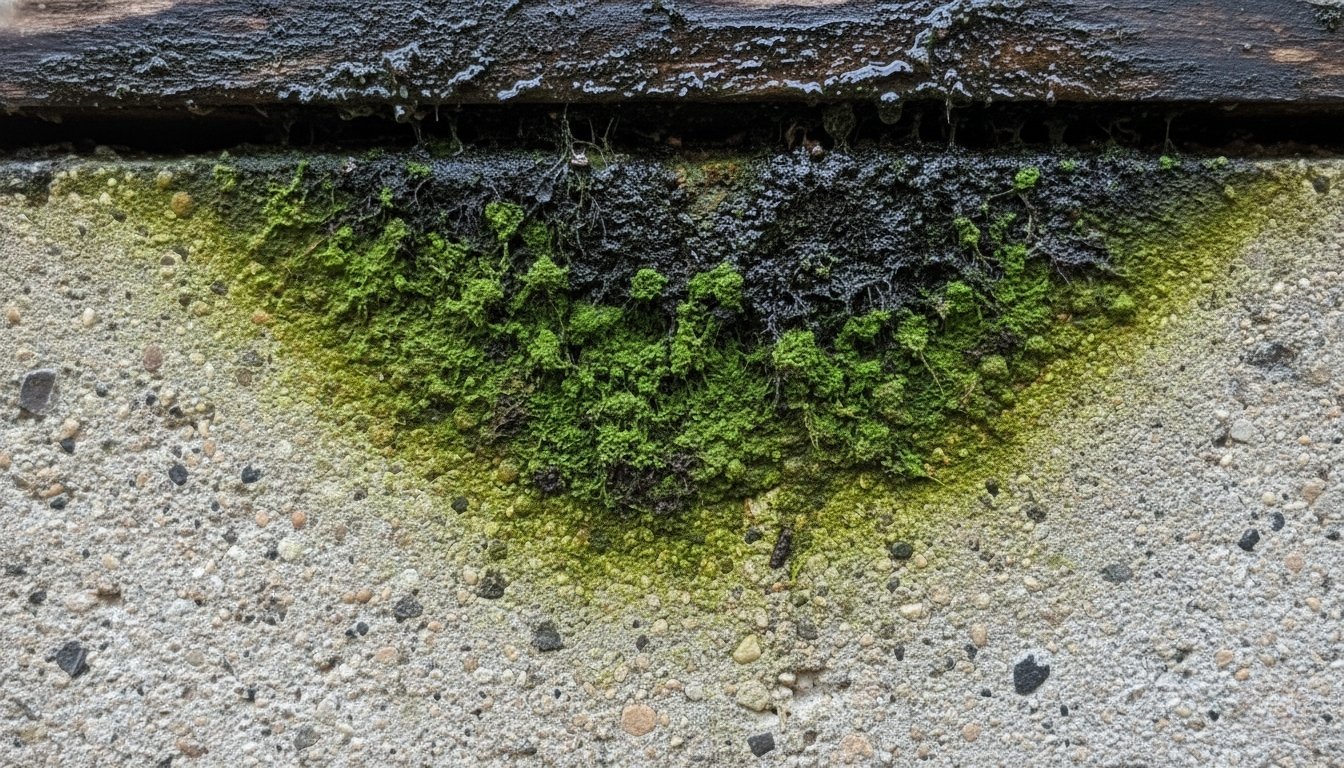
Biological Invasion: Mold, Moss and Algae Growth
Moisture retained by wood creates a constantly wet environment at the point of contact. This creates ideal conditions for mold, moss, and algae to grow, especially in areas protected from sunlight and wind.
The results: Green and black biological stains on the surface. Slippery terraces and steps, posing a safety risk. Algae and microorganisms erode the surface over time.
Solution product: Eco Strip Fungi
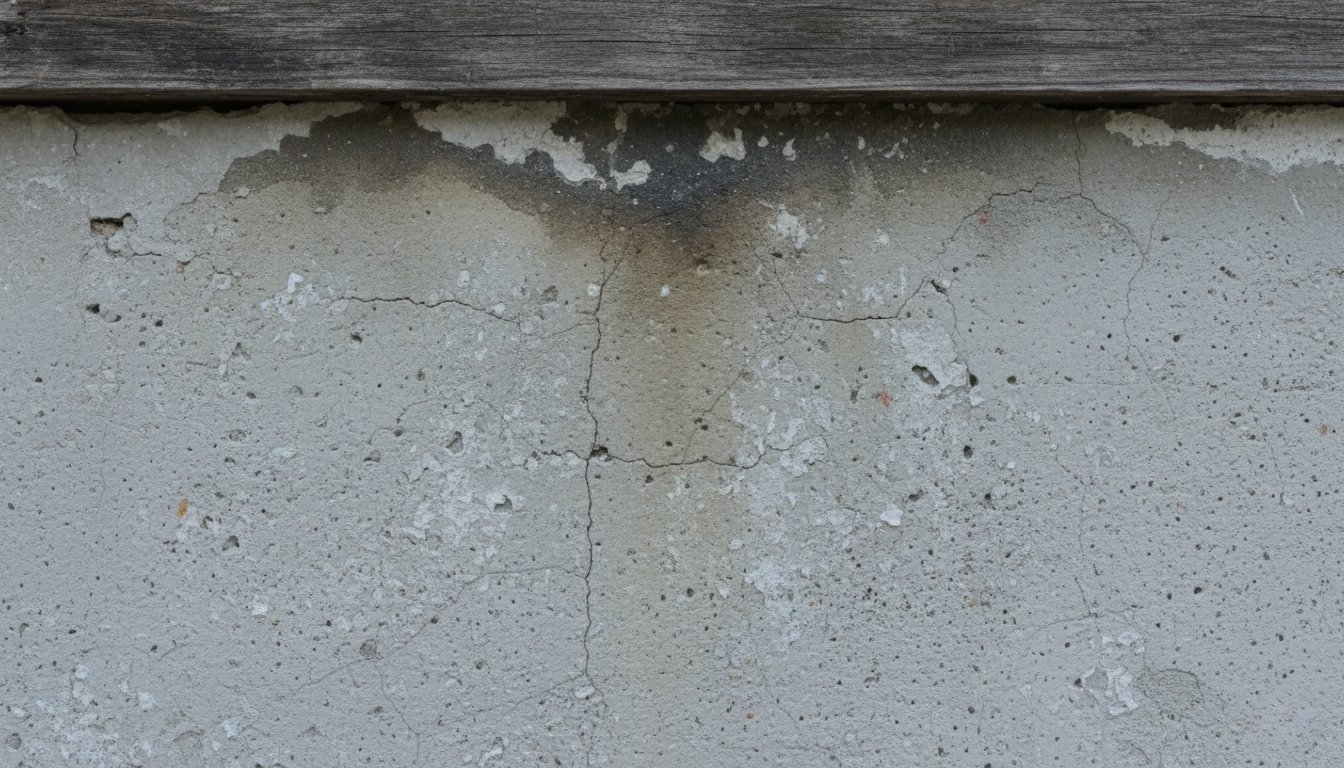
Freeze-Thaw Damage: Surface Fragmentation
Moisture that passes from the wood into the concrete freezes during the winter. The frozen water expands and puts pressure on the pores in the concrete surface. Each time this freeze-thaw cycle repeats, the concrete surface begins to flake.
Results: The thin layer on the concrete surface is removed. Microcracks form and grow over time. Structural durability is reduced.
Solution product: Restora WO Wall
Resin Flow: Sticky and Stubborn Stains
Resin seeps from softwoods like pine, especially in warm weather. This sticky liquid leaves yellow-brown stains on concrete or stone surfaces it comes into contact with. Over time, these stains darken as they attract dust and dirt, making them nearly impossible to clean.
Results: Sticky, yellowish stains. A permanent dirty appearance due to dust retention. Surface contamination that cannot be removed with conventional cleaners.
Solution product: Restora Clean
While the combined use of different materials like wood, concrete, and stone offers rich aesthetic and structural possibilities, the points where these materials come into contact can become the weakest link in the building envelope. Physicochemical processes such as moisture transfer, chemical emissions, and thermal movement differences can lead to damage over time, including efflorescence, staining, biological deterioration, and even fractures. Therefore, for a sustainable and seamless building, anticipating the interactions of these materials and planning the right detail solutions during the project phase is as crucial as selecting the right materials.