
Damage Plants Can Cause to Garden Walls and Ways to Protect Them

Garden Plants Can Secretly Damage Your Surfaces!
Covering garden walls with colorful flowers and lush green foliage is a dream for many gardeners. However, behind this romantic image, there may be hidden dangers that threaten the structural integrity of your walls. During their natural life cycle, plants can cause cracks, moisture accumulation, staining, and even displacement of stone over time. So, which plants are at risk?
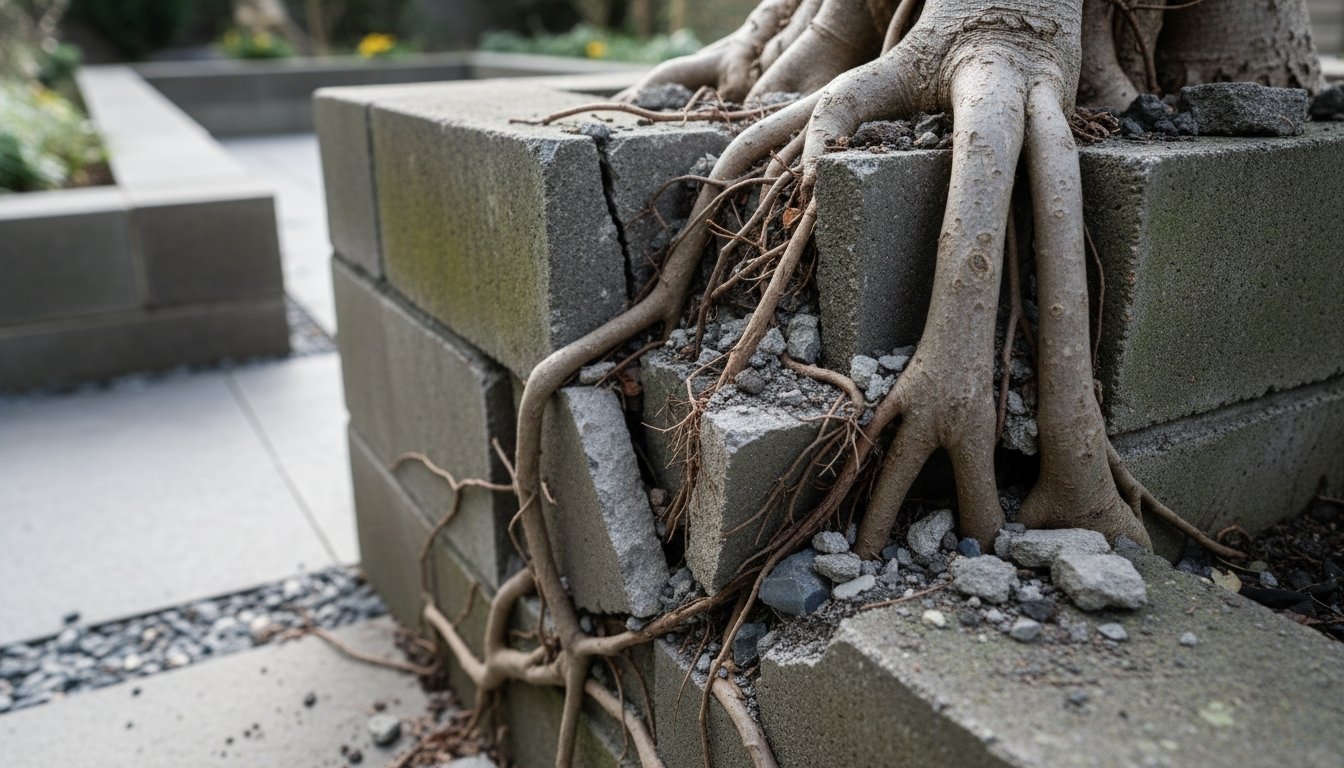
The Destructive Power of Roots: Structural Deterioration and Cracks
Plant roots, especially aggressive ones, possess incredible physical power. The roots of shrubs or trees planted along walls can gradually invade the foundation, creating ground instability. More importantly, they target the gaps between the wall joints, widening them, pushing the wall upwards, and ultimately causing visible cracks and uneven settlement.
Species Most at Risk: Bamboo, some shrub species, and large tree roots.
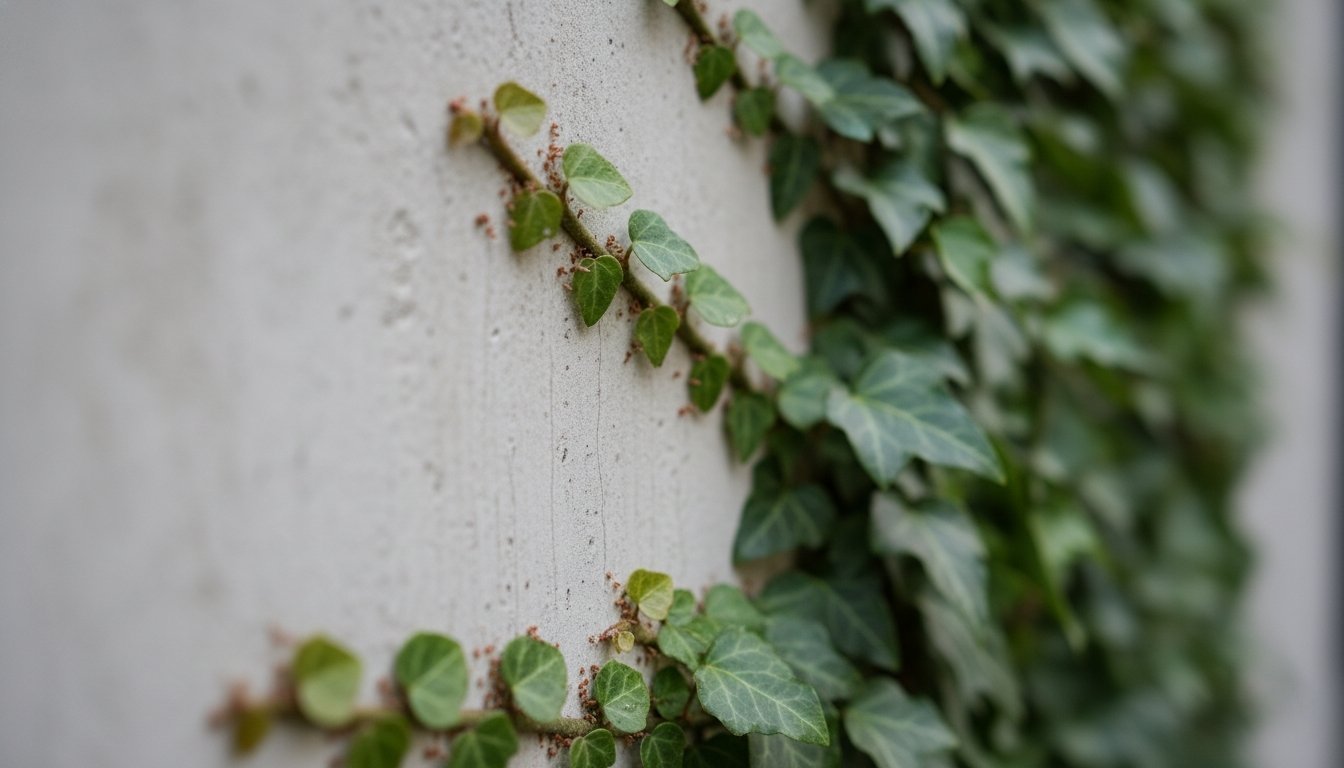
The Hidden Danger of Ivy: Moisture and Swelling by Capillary Action
Climbing plants, especially ivy, attach to walls via "aerial roots." These microscopic root tips penetrate even the smallest gaps under plaster or paint, carrying water deeper into the wall through capillary action. Constant moisture can cause paint to blister, plaster to peel, and surface to become sand-blasted. This risk is even greater on porous surfaces such as exposed concrete, stone, and mineral plaster.
Permanent and Stubborn Stains: The Chemical Effect of Plant Secretions
Some plants secrete resins, tannins, and organic acids from their leaves or stems. These secretions can leave permanent yellowish-brown stains on walls, cause paint discoloration, and even chemically etch the surface.
Popular Plants That Leave Stains: Jasmine, geranium, bougainvillea, honeysuckle, grapevine.
Constant Humidity: A Trigger for Mold, Algae, and Frost Damage
Frequent watering of plants and the water-retaining properties of their leaves cause the wall to remain constantly wet. This situation:
• Increases capillary rise.
• It causes surface disintegration during the winter months with freeze-thaw cycles.
• It accelerates the formation of moss, mold and lichen that love moisture.
Invaders That Infiltrate Joints: Separating Stone and Bricks
The thin root tips of climbing plants are excellent at penetrating grout. Over time, these roots expand, cracking the mortar and causing stones, bricks, or blocks to separate. This is a costly and difficult structural problem to repair.

Biological Invasion: Moss, Lichen, and Biofilm
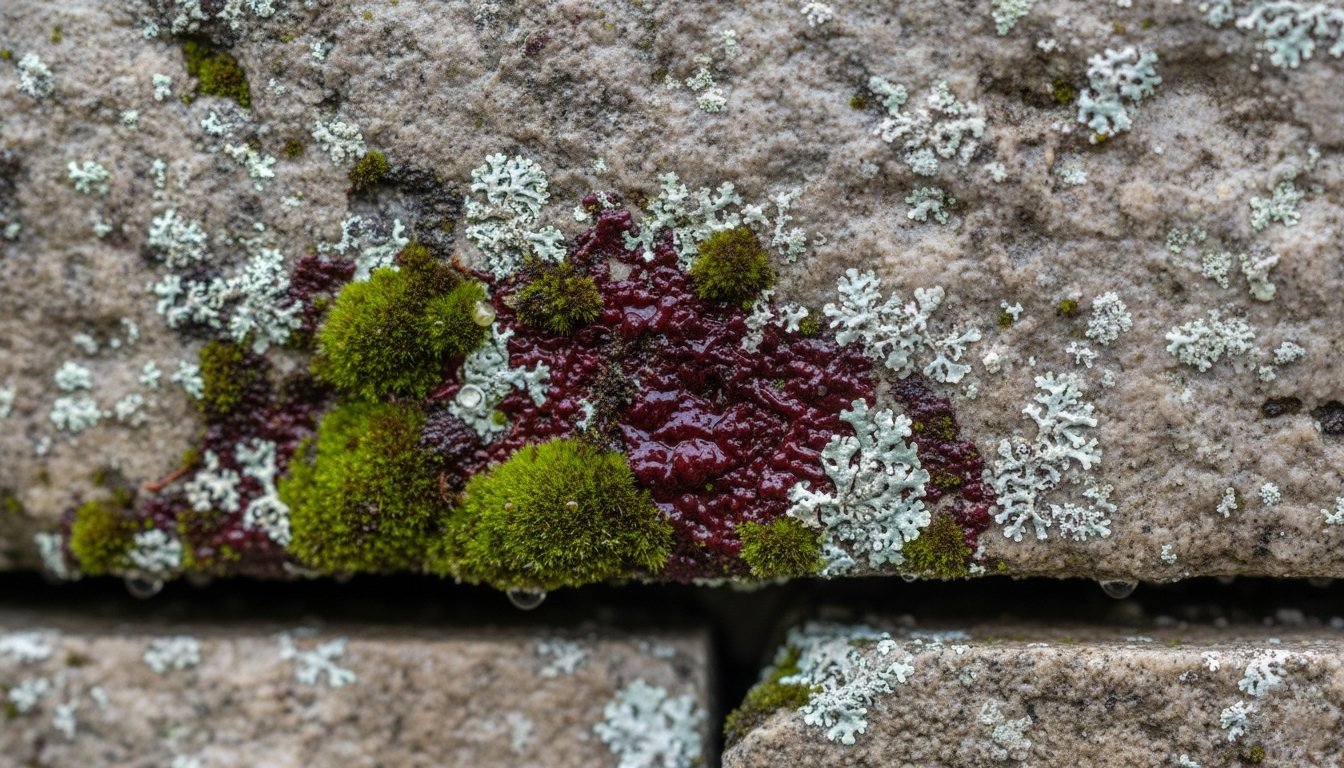
The shade and humid microclimate created by plants create a biological habitat on the wall surface. Green moss layers, reddish biofilms, and especially lichens emerge. Lichens, with their root-like structures, physically and chemically erode natural stone surfaces in particular.
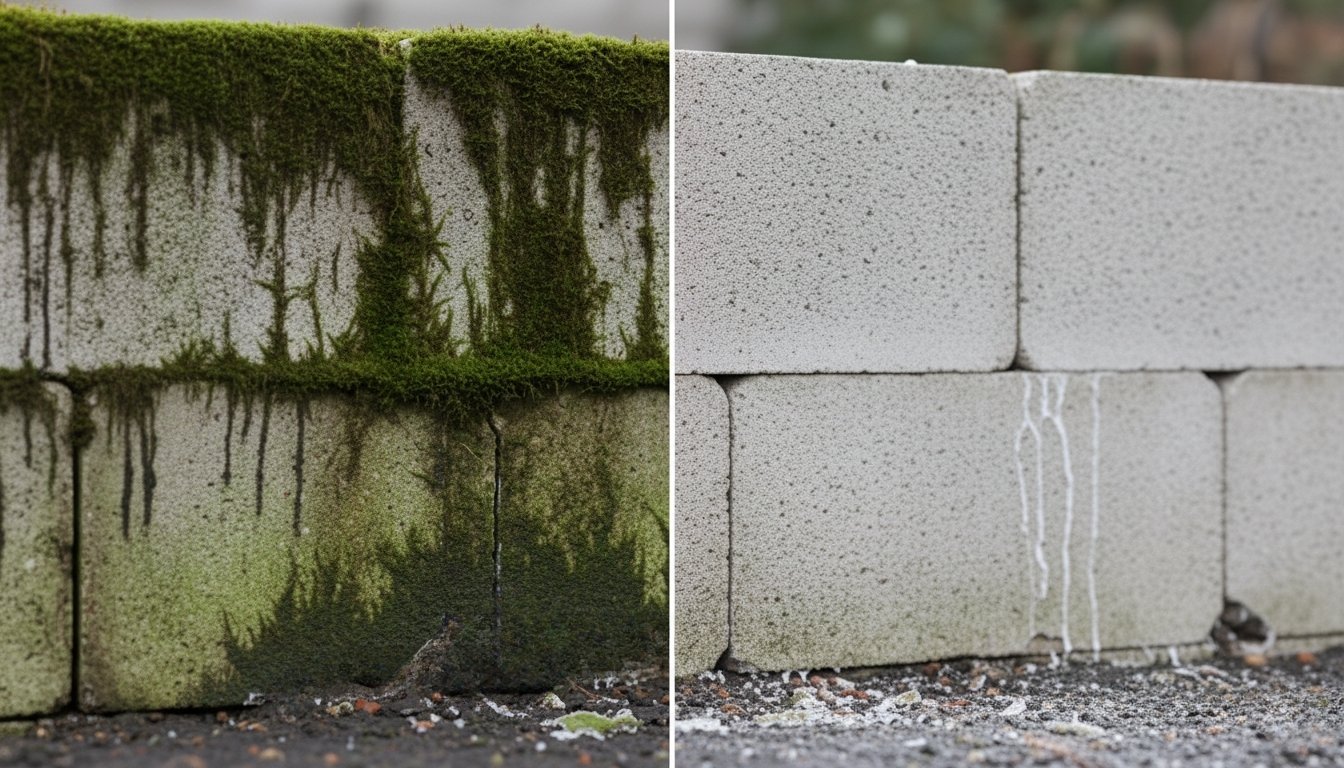
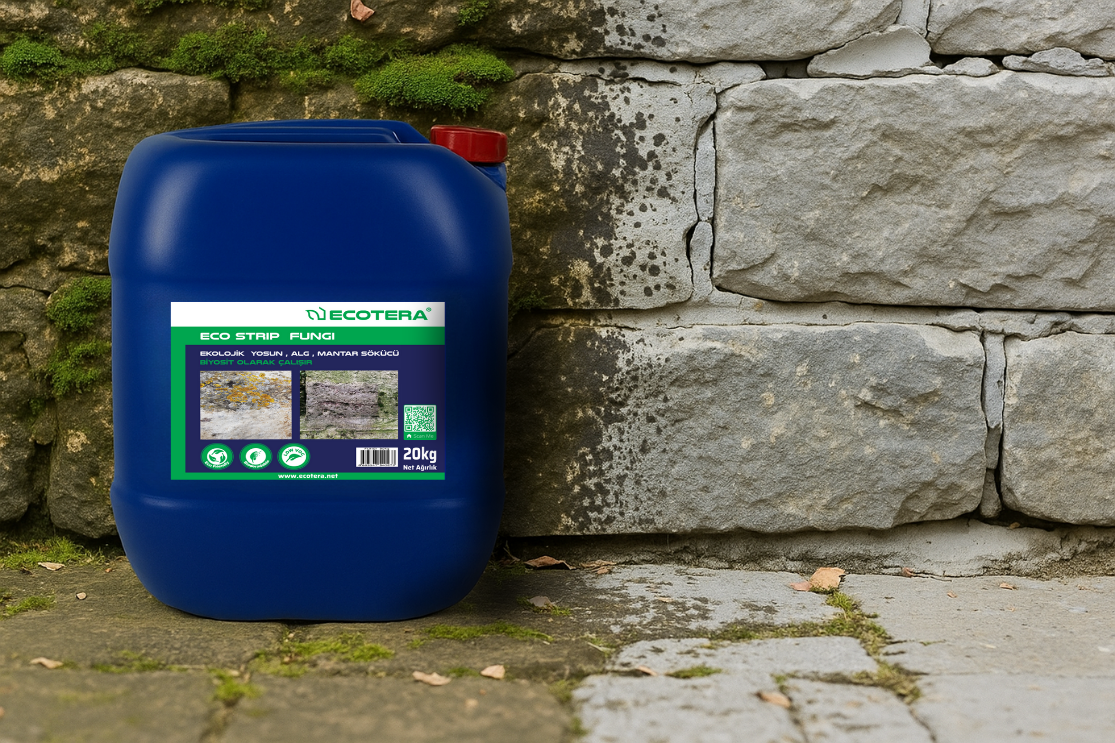
An Ecological Solution to Combating Biological Formations: Special Cleaners
To effectively combat the aforementioned moss, lichen, mold, and fungal growths, you can utilize cleaning products specifically developed for building surfaces. One such product , Eco Strip Fungi , has an ecological formula designed to safely remove organic growths such as bacteria, algae, lichen, moss, and fungus found in interior and exterior spaces.
It can be used on many surfaces, including concrete, brick, natural stone, marble, tile, and plaster—all of which are also vulnerable. In addition to its powerful cleaning effect, it penetrates the surface to provide long-lasting protection and, most importantly, doesn't damage the surface's texture or structural integrity.
The main advantages of Eco Strip Fungi are:
• Environment and Human Friendly: Does not contain harmful chemicals, biodegradable.
• Safe: It has a lightly scented formulation that does not harm the skin and respiratory system, which provides great safety and comfort in closed areas.
• Effective Protection: Its powerful formula cleans fungi, moss, lichen and bacteria, delaying the recurrence of formation by showing a permanent biocidal (germ-killing) effect on the surface.
• No Corrosion: It does not cause corrosion on the surface and can be easily rinsed with water.
Such ecological and surface-friendly products are a good option for those who want to provide safe and effective protection against biological invasions caused by plants, without damaging the structure.