
Fundamental Problems and Solutions Encountered in Historical Artifact Restoration

Fundamental Problems and Solutions Encountered in Historical Artifact Restoration
Historical artifacts, standing for centuries and bearing traces of the past, are representatives of our cultural memory. However, these ancient structures can be vulnerable to the ravages of time and environmental conditions. The restoration process is a complex discipline that requires not only an aesthetic intervention but also a scientific approach and exquisite dexterity. Accurately diagnosing the problems encountered during this process and developing lasting solutions is the most critical step in extending the life of the artifact.
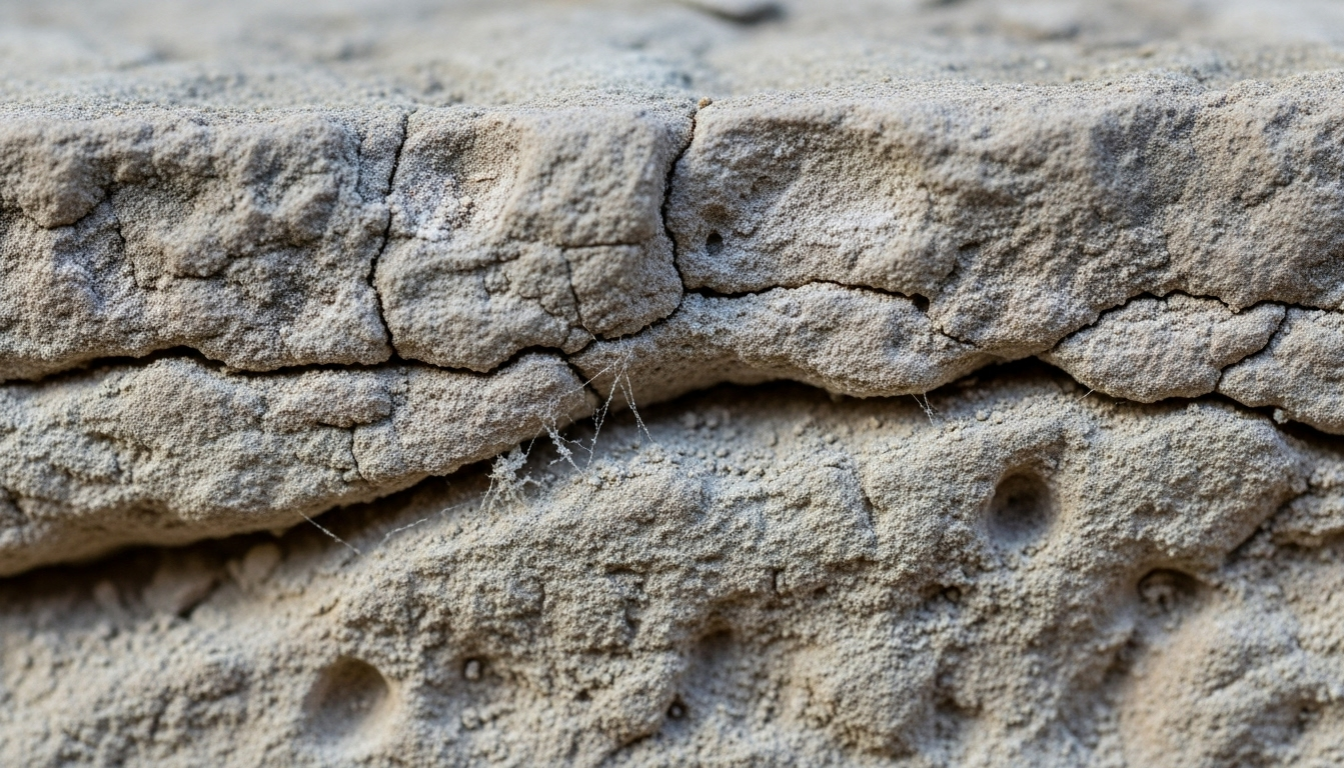
Problem 1: Structural Weakening and Dusting
Dusting is a phenomenon observed particularly in materials such as natural stone, brick, and mortar, where the material begins to crumble from the surface and gradually turns into dust. This process is the clearest indication that the material's internal bonding structure has weakened. Humidity, freeze-thaw cycles, salt crystallization, and pollution are among the primary causes of dusting. Dusting is not merely an aesthetic loss; it is a serious condition that threatens structural integrity and becomes increasingly difficult and costly to repair. Every stone that dusts when you rub the surface with your hand is actually a cry for help.
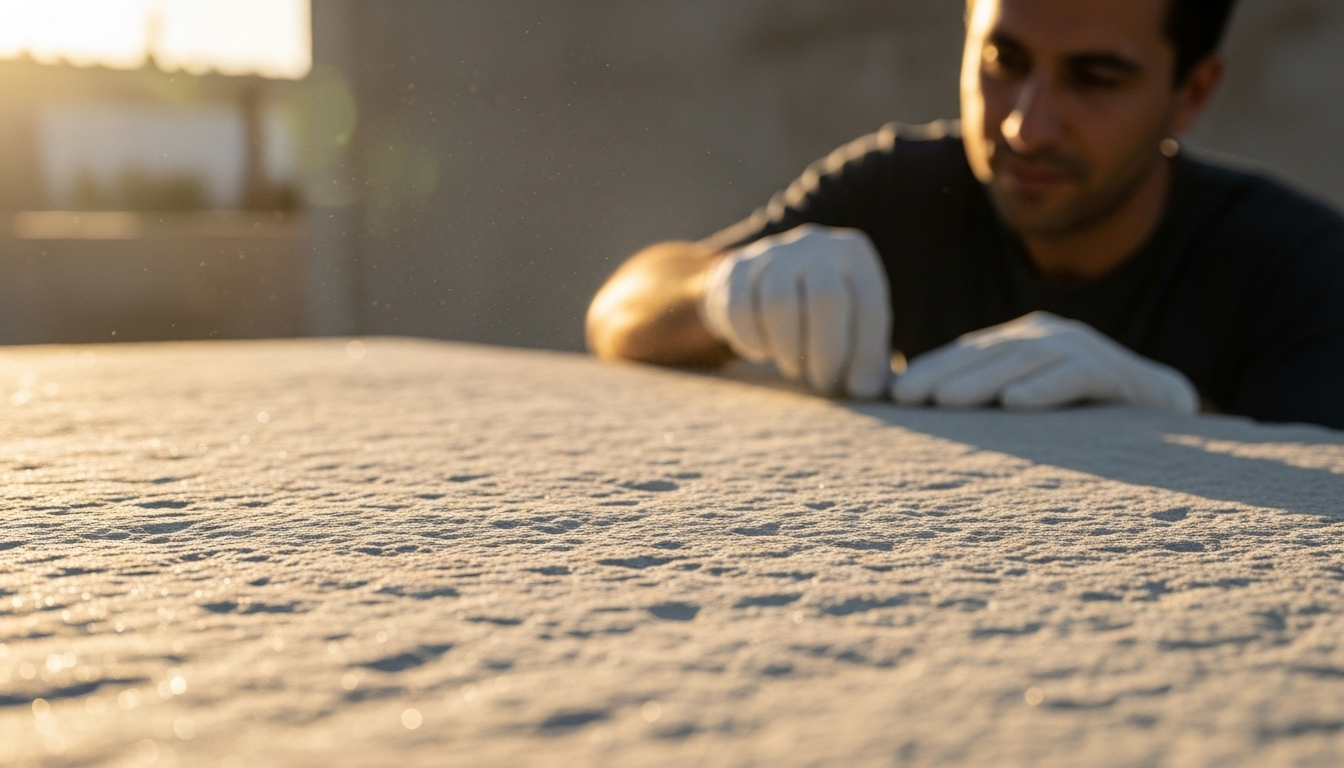
Solution: In-Depth Consolidation (Strengthening)
Superficial interventions are not sufficient to provide a permanent solution to the dusting problem. Consolidation products that penetrate deep into the material and strengthen internal bonds without disrupting the original texture are needed. This is where silicate-based consolidation products like Restora Fix come into play. After being applied in liquid form, these products react within the pores of the stone, effectively "re-bonding" the damaged mineral structure. This process increases the stone's surface hardness and mechanical strength, while also imparting water-repellent properties, creating a shield against future moisture and salt damage. This anti-dusting treatment addresses the root of the problem rather than simply covering the surface, providing long-term and reliable protection.
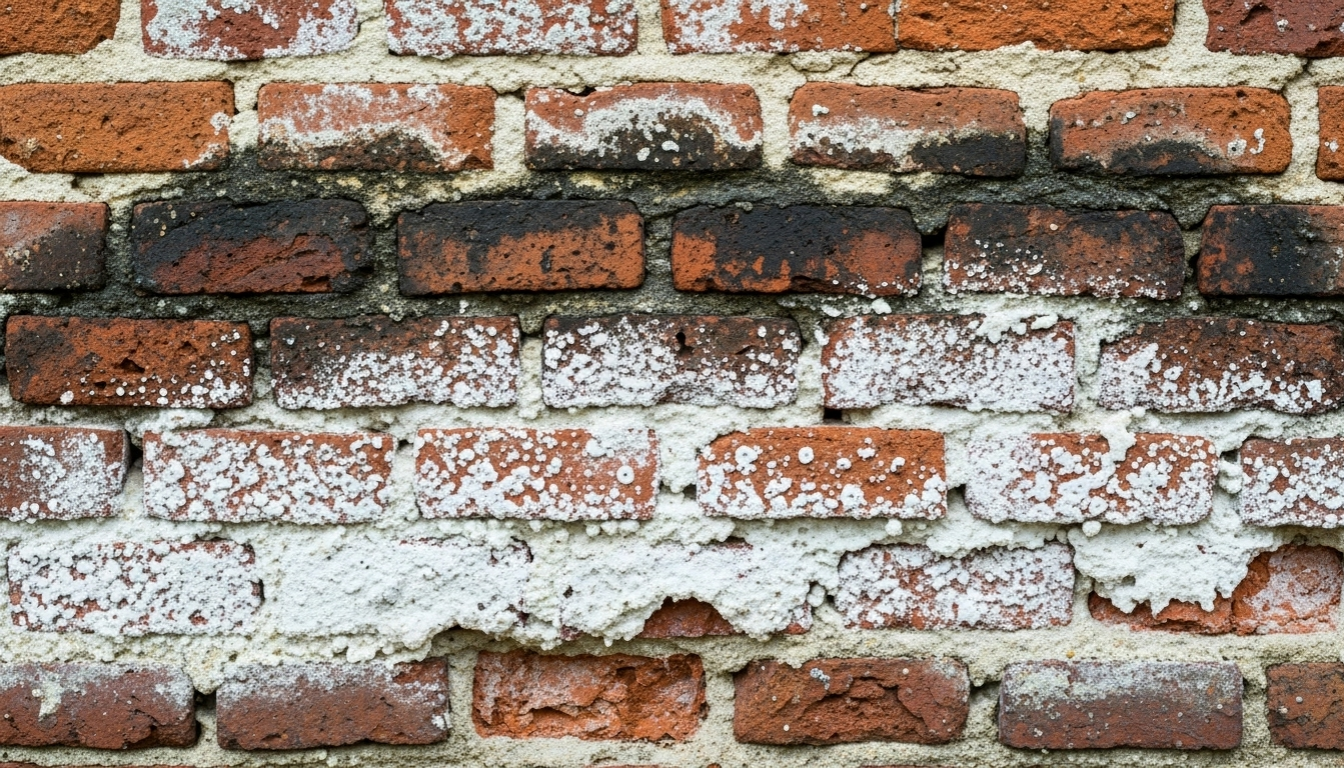
Problem 2: Humidity and Related Salt Crystallization
Moisture is one of the greatest enemies of historical buildings. Moisture seeping from the ground, rainwater, and climbing walls through capillary action settles within the building material. This moisture carries with it the dissolved salts. When the moisture evaporates, these salts crystallize in the pores and on the surface of the material. The expanding salts create incredible pressure during crystallization, causing the stone and mortar to crumble from the inside out. This manifests itself as blisters, cracks, and flaking on the surface.
Solution: Controlled Strengthening of Pore Structure and Water Repellency
Solutions developed to combat moisture and salt problems generally involve two stages: First, the progression of capillary moisture is halted with moisture isolation methods from the structure or with our product, Restora WP 07 , designed for capillary moisture. Furthermore, you can stop and prevent salt formation on and within the surface with our product, Restora Desalt, developed for salt crystallization. Consolidation is then applied. Products like Restora Fix provide a dual benefit. On the one hand, they strengthen the stone's internal structure, making it more resistant to the expansion pressure caused by salts. On the other hand, the hydrophobic effect they create after application largely prevents the ingress of new moisture and water. This means breaking the salt transport and crystallization cycle, thus halting the deterioration process.
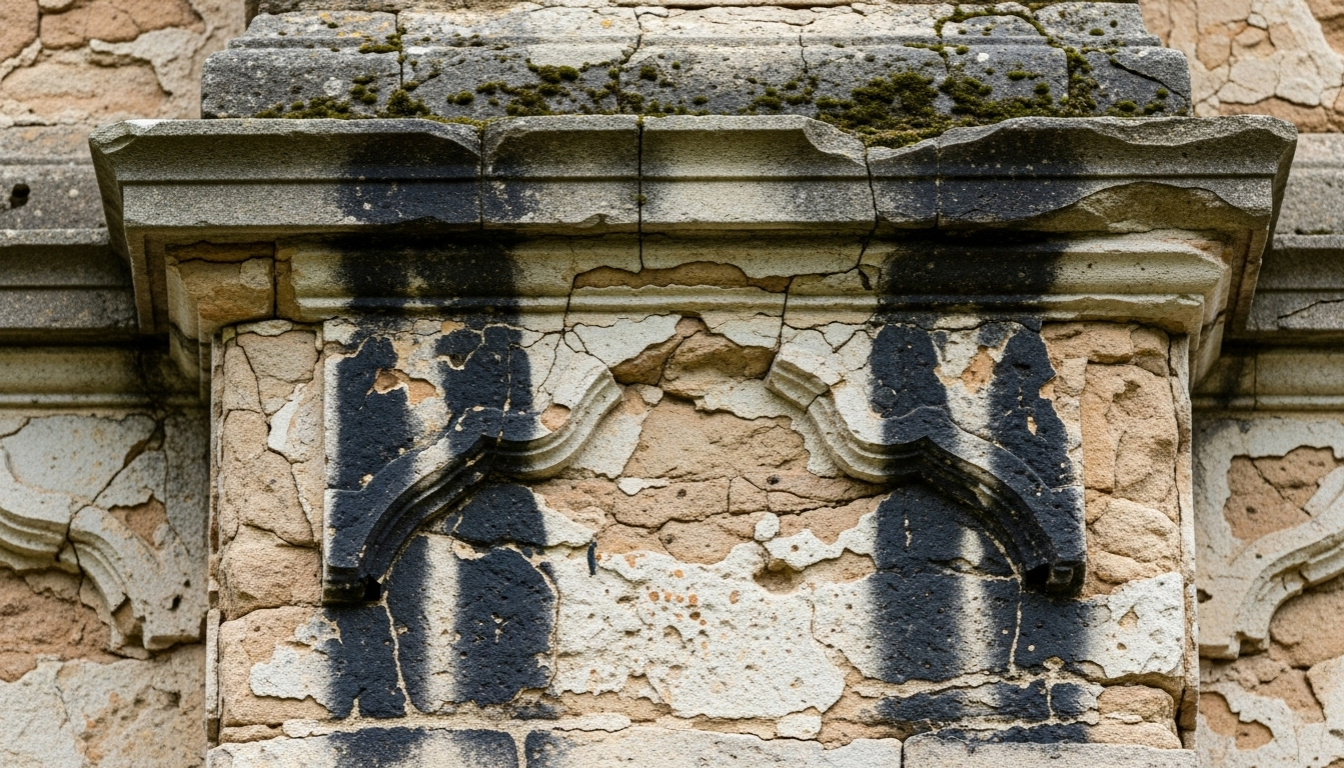
Problem 3: Surface Erosion and Chemical Deterioration
Acid rain, air pollution, and abrasive particles carried by wind cause wear and erosion on historic natural stone surfaces. Over time, the stone's original surface details, reliefs, and craftsmanship can fade. This type of deterioration is extremely critical, as it can lead to irreversible damage.
Solution: UV and Chemical Resistant Protective Layer
Restoration products applied to address this issue must not only strengthen but also be resistant to environmental factors. Products with high UV resistance, such as Restora Fix , are resistant to the harmful effects of sunlight and will not yellow or deteriorate over time. Furthermore, thanks to their chemical resistance, they prevent acidic rain and air pollutants from reacting with the stone surface and causing deterioration. This strengthens the stone's surface mechanically and provides it with an invisible armor.
When restoring a historical monument, our goal is to protect it not just for today but for centuries to come. This is only possible when expert restorers and conservationists apply products like Restora Fix , which are compatible with material science, durable, environmentally friendly, and ensure structural integrity. Dust prevention, stone stabilization, and consolidation solutions are an essential part of this process.
By preserving the traces of the past with appropriate methods, we can safely entrust our cultural heritage to future generations. Remember, every restoration project is a sign of respect for history.