
Harmful Effects of Acid Rain on Buildings and Architecture

Harmful Effects of Acid Rain on Buildings and Architecture
Buildings and historical architectural monuments in modern cities can be damaged over time by environmental factors. One of the most common threats is acid rain. So how does acid rain affect buildings, and how can we take precautions against these effects?
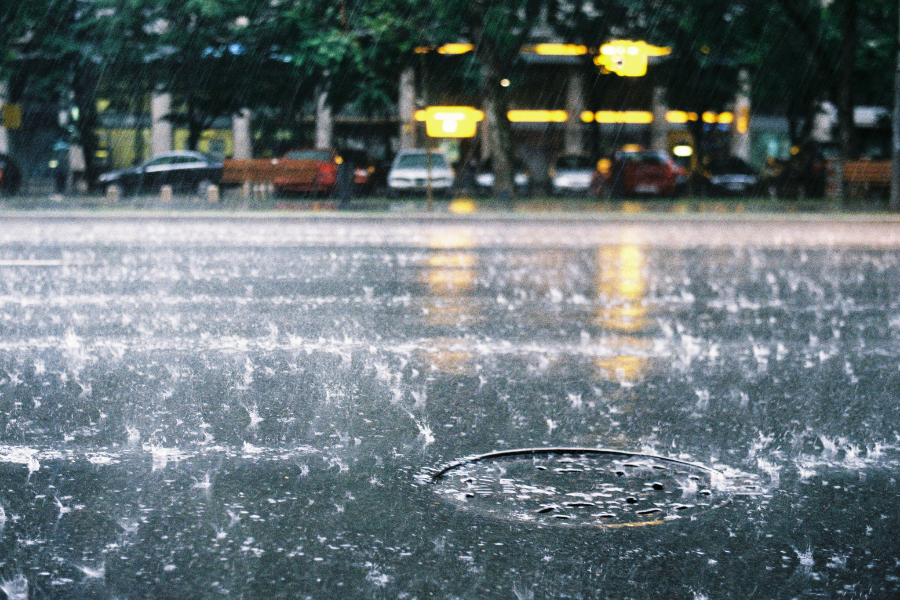
What is Acid Rain?
Acid rain is formed when gases like sulfur dioxide (SO₂) and nitrogen oxides (NOₓ) released into the atmosphere from industrial activities, fossil fuel combustion, and vehicle emissions combine with water vapor. This chemical reaction causes precipitation such as rain, snow, or fog to become acidic, causing serious damage to structures when it falls to the ground.
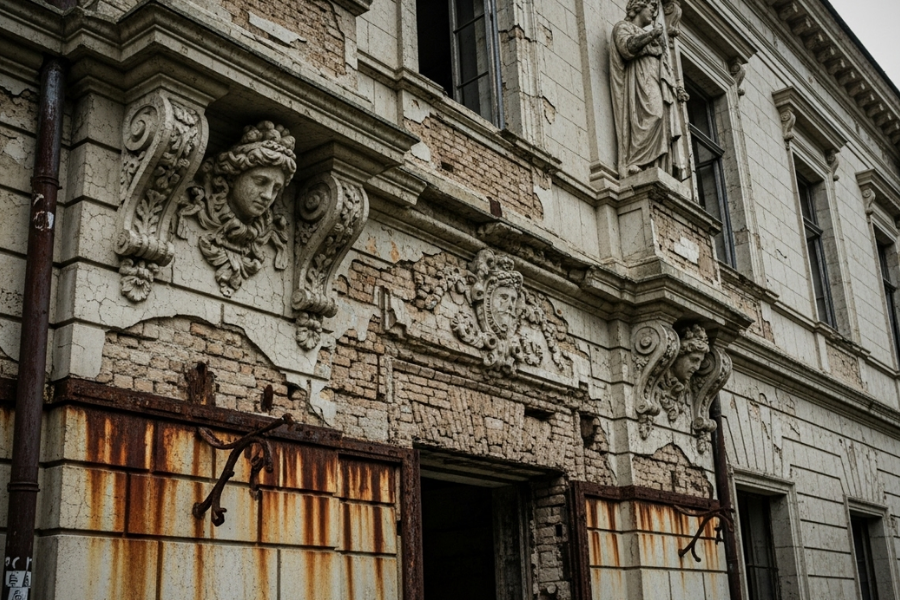
Effects of Acid Rain on Buildings
Wear on Natural Stone and Concrete Surfaces
Acid rain causes chemical dissolution in materials such as limestone, marble, travertine, and concrete. This results in surface melting, flaking, and discoloration. The aesthetic appearance of historic buildings, in particular, is compromised, and their structural durability is reduced.
Corrosion of Metal Reinforcements
The iron reinforcement used in reinforced concrete structures begins to rust when acid rain penetrates the concrete. Corrosion leads to cracking of the concrete and weakening of the structural system. This shortens the lifespan of buildings and poses a safety risk.
Efflorescence and Salinization
Acid rain causes minerals in building materials to dissolve, creating white spots (salt efflorescence) on the surface. These spots compromise the visual integrity of buildings and, over time, weaken the internal structure of the materials.
Deterioration of Plaster and Paint Layers
Acidic rain erodes the exterior plaster and paint of buildings, causing them to peel. This causes buildings to become dirty more quickly and require more frequent maintenance.
Permanent Damage to Historical Artifacts
Cultural heritage sites such as historic churches, statues, and monuments are particularly severely affected by acid rain. These structures, which have stood for centuries, can suffer irreversible damage from chemical weathering.
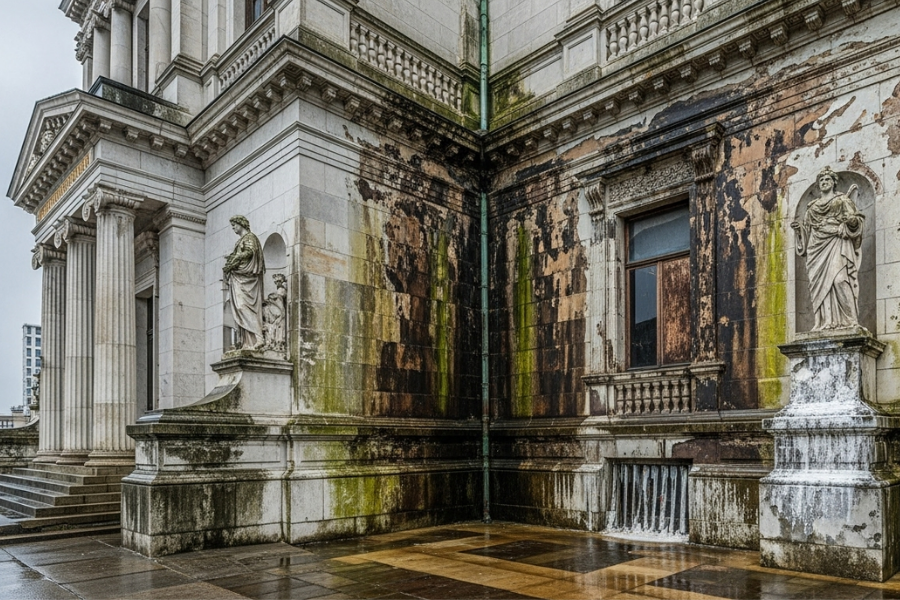
Precautions That Can Be Taken Against Acid Rain
Using Surface Protective Coatings
Hydrophobic (water-repellent) and chemical-resistant coatings protect building surfaces against acid rain. Special silane- and siloxane-based products form a protective barrier on the surface, preventing the penetration of acidic compounds.
Anti-Corrosion Applications
Corrosion inhibitors can be used to prevent rusting of metal reinforcement in reinforced concrete structures. Furthermore, products resistant to water and chloride ions can extend the life of structures.
Regular Maintenance and Cleaning
To prevent acid rain accumulation, structures should be regularly washed with pH-neutral cleaners. Special surface protectors can delay contamination and reduce cleaning costs.
Supporting Environmental Policies
Since the main cause of acid rain is air pollution, turning to renewable energy sources, increasing industrial waste filters and protecting green areas offer effective solutions in the long run.
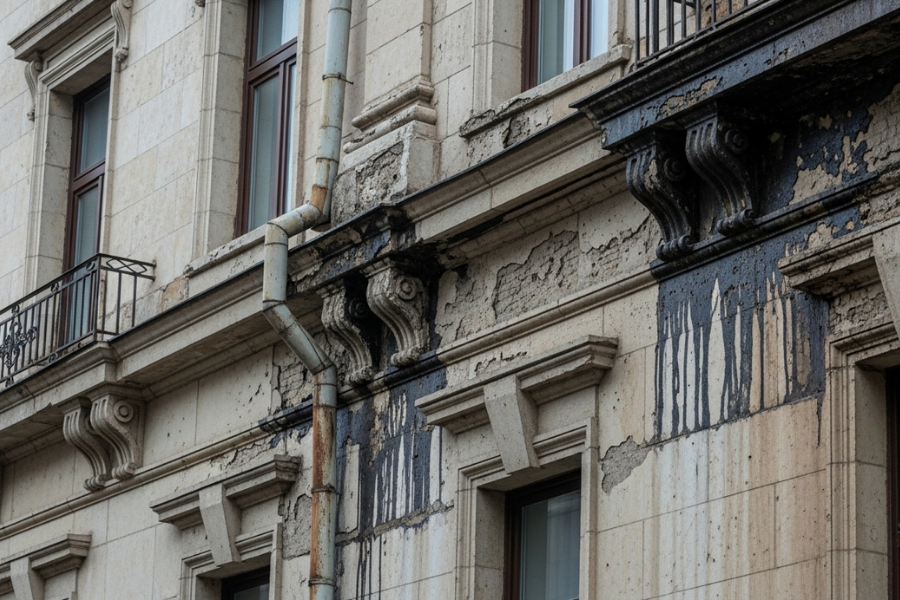
Acid rain is a serious problem that threatens both the aesthetics and durability of buildings. However, these effects can be minimized with the right protection methods and high-quality building protection products. ECOTERA Ecological Building Protection solutions protect your buildings against acid rain, ensuring their longevity and durability.
For More Information, You Can Check Out Our Other Blog Posts...
Author: Ecotera.net
Best regards...