
Hot During the Day, Cold at Night: How Do Temperature Differences Threaten Natural Stone Structures?

Hot During the Day, Cold at Night: The Effects of Temperature Differences on Natural Stone Structures
Natural stone, with its aesthetics, durability, and natural beauty, has been an essential part of architecture for centuries. Marble, granite, travertine, or limestone—they were all created to withstand nature's harsh conditions. However, there's an invisible physical process that even natural stone struggles to withstand: the Thermal Cycle. The dramatic temperature differences between day and night, especially in continental climates or desert-like landscapes, can cause serious damage to natural stone structures. So, how does this process work, and what problems can it cause in your buildings?
Thermal Expansion and Contraction Cycle
The laws of physics are simple: Heated materials expand, cooled materials contract. Natural stones are no exception to this rule.
During the day: Stone facades or floors exposed to direct sunlight can reach temperatures well above ambient. The minerals within the stone expand in volume as they absorb heat.
At night: When the sun sets, the air cools rapidly. The heated stone loses this heat and begins to shrink rapidly.
This movement is too small to be seen with the naked eye (at the millimeter level). However, when this process is repeated day after day, for years, it creates a buildup of stress on the stone called "Thermal Fatigue."
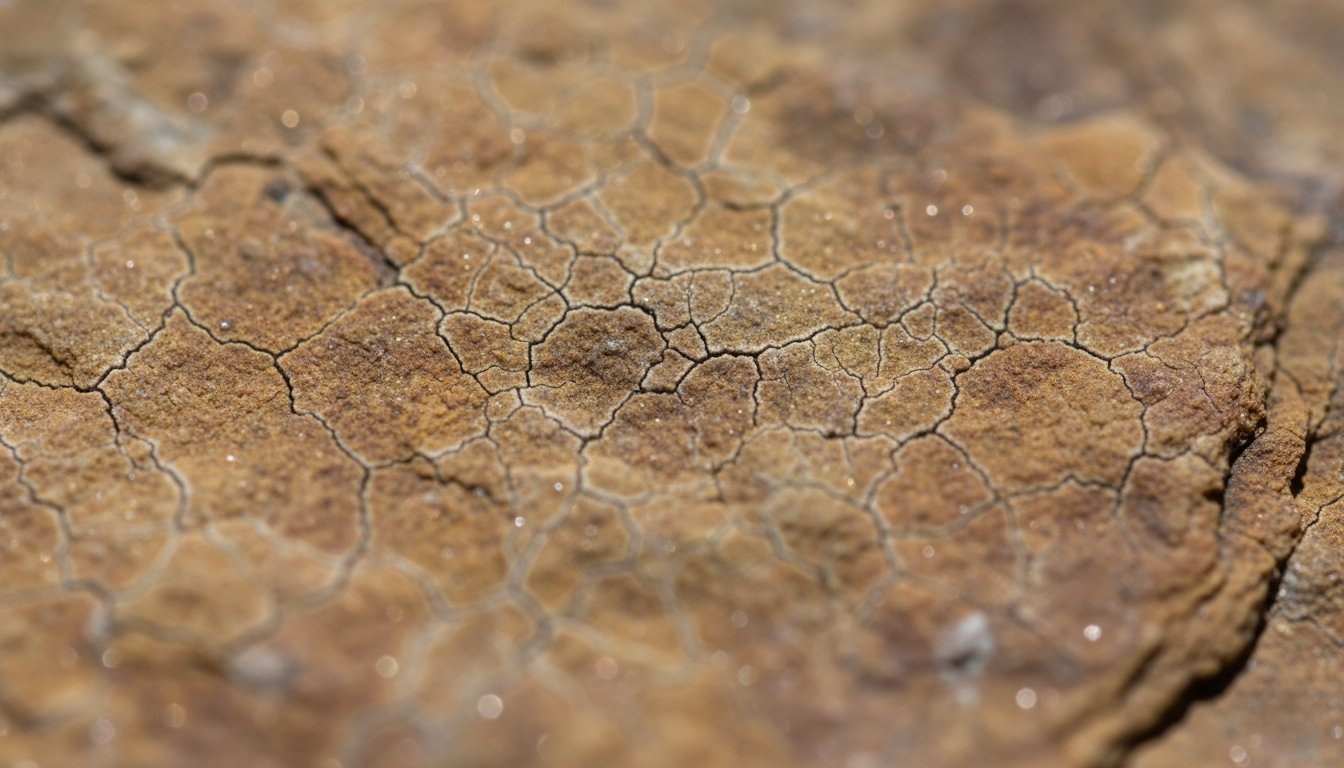
Thermal Shock and Microcracks
If the temperature change is very sudden (for example, cold rain suddenly falling on a hot stone or the night temperature suddenly dropping below zero), thermal shock occurs.
While the stone's outer surface cools and contracts rapidly, the interior remains hot and expanded. This tension causes hairline cracks (micro-cracks) to form on the stone's surface or in its internal structure. Over time, these cracks enlarge and become visible fractures.
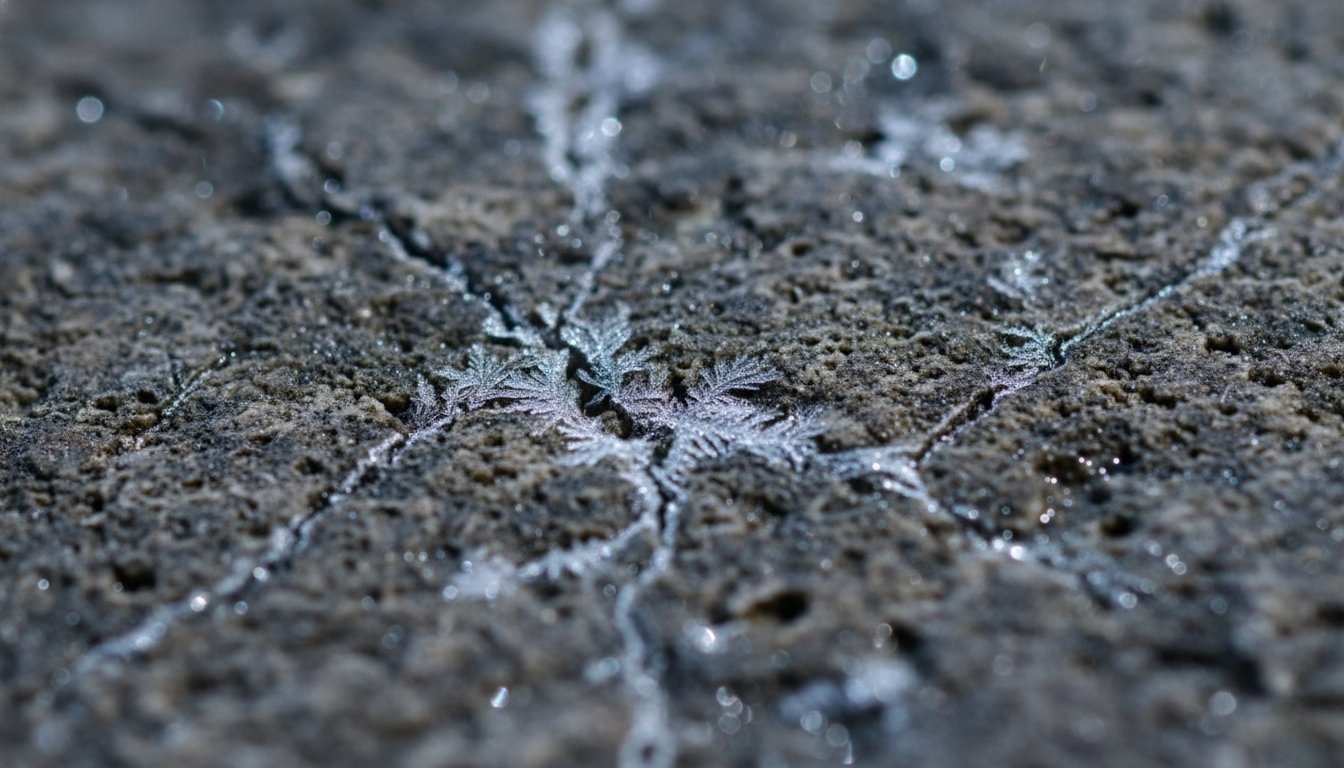
Freeze-Thaw Effect
The biggest danger posed by temperature differences is water getting in. The process works like this:
During the day, the pores of the expanding stone open, or rain/moisture enters through microcracks. At night, when the temperature drops below 0°C, the water in the cracks freezes. When water freezes, its volume increases by approximately 9%. The ice pushes the cracks from the inside out, exerting tremendous pressure, and the stone bursts.
This cycle causes surface flaking (sloughing), especially in porous stones such as travertine and limestone.
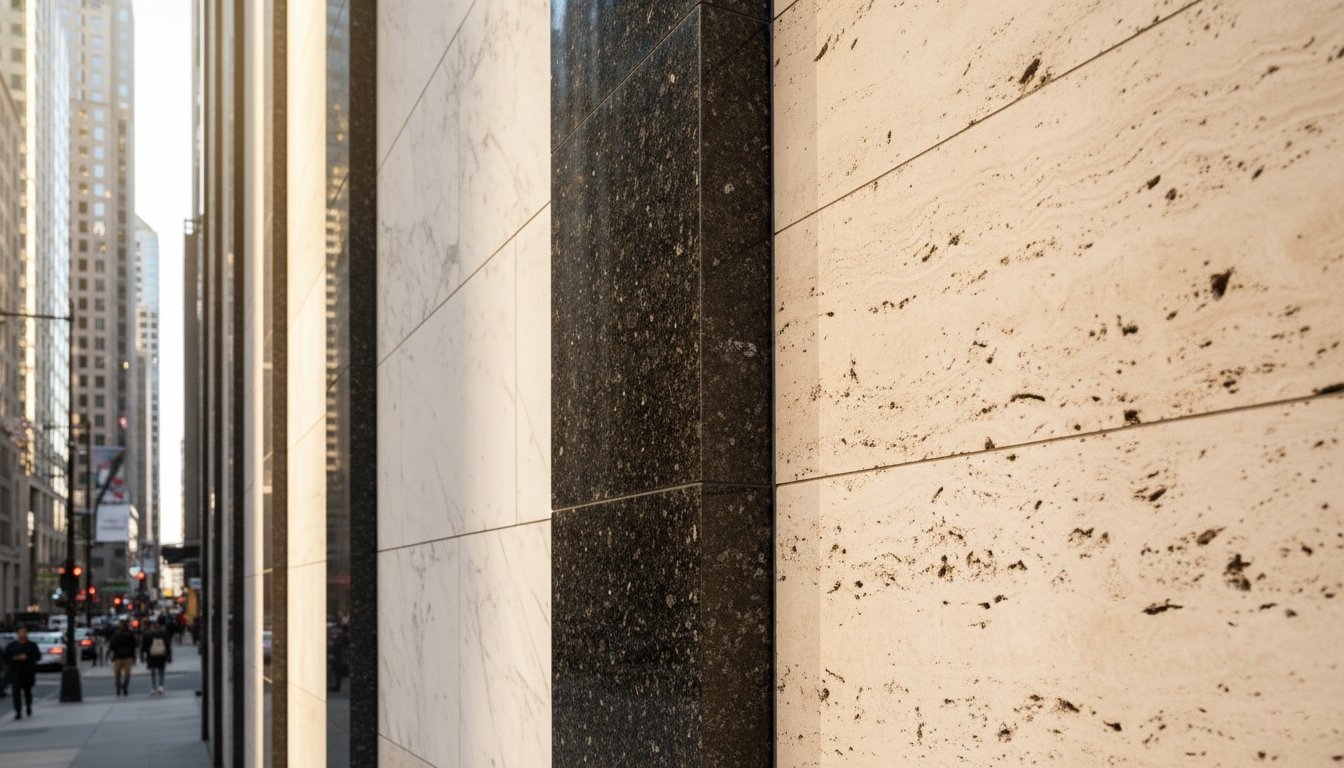
What Should Be Done to Protect Natural Stones?
The most effective method against these destructive effects caused by temperature differences is to prevent water absorption and strengthen the stone's structure. In this regard, we offer a professional solution specifically developed for mineral surfaces: RESTORA WP 081. More than just an ordinary waterproofing material, this product extends the life of the stone with its oligomeric propyl siliconate/silicate concentrate structure. Here are the features of RESTORA WP 081 that will help protect your natural stone:
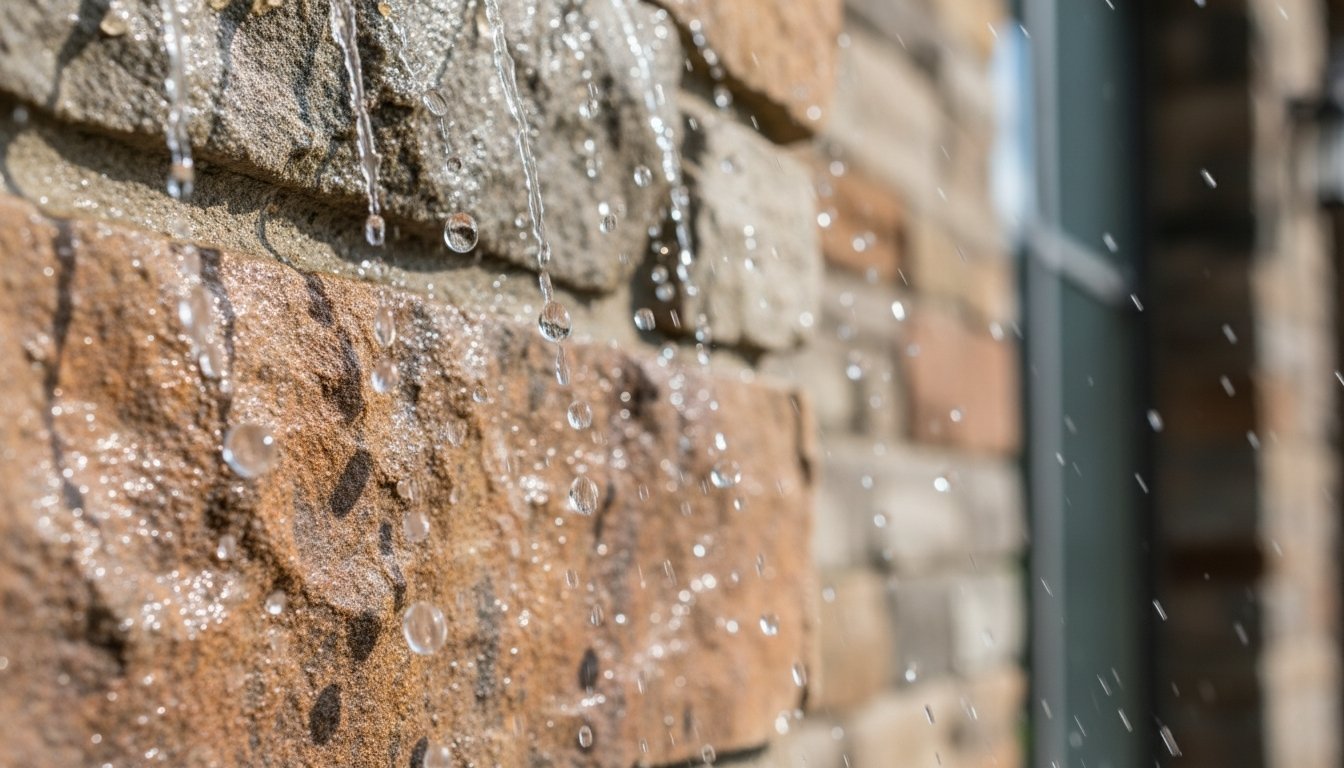
Why Should You Use RESTORA WP 081?
Both Water Repellent and Strengthening: Consolidation is the most important requirement for stones weakened by thermal fatigue. RESTORA WP 081 provides consolidation (strengthening) of mineral building materials and sand. It also creates a long-lasting droplet effect with its strong hydrophobic (water-repellent) properties.
Your Stone Continues to Breathe: Many products on the market seal the surface like a film. However, RESTORA WP 081 is water vapor permeable. This means it doesn't let in water from the outside, but allows moisture inside to escape. This is critical for the stone's health.
In-Depth Protection: Thanks to its high penetration depth, it penetrates the pores of the stone rather than remaining on the surface. This provides excellent resistance to freeze-thaw damage and structural deterioration caused by salts (chlorides).
Wide Range of Use: Ideal not only for natural stones but also for sandstone, limestone, lightly baked clay products (roof tiles, bricks, floor tiles, terracotta).
If you don't want your natural stones to succumb to thermal shocks and harsh weather conditions, you can ensure they last for years by protecting them with RESTORA WP 081. Remember, proper protection extends the life of your structure!