
How Do Water Repellent Materials Work?

How Do Water Repellent Materials Work?
Surface Chemistry and Hydrophobic Effect
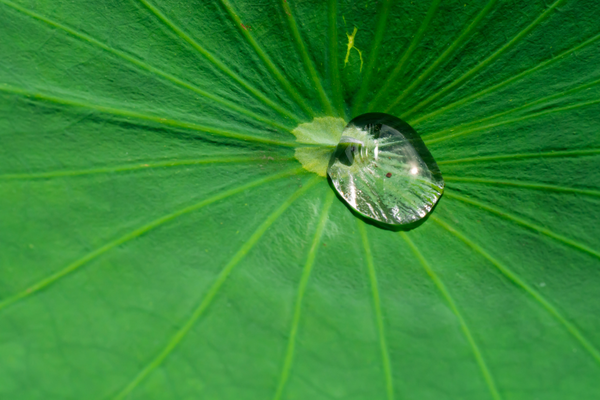
Water-repellent materials generally contain substances such as silicone and silane, and these substances penetrate the pores on the surface of the structure and form a (hydrophobic) layer that repels water molecules.
It prevents absorption by ensuring that water remains in "droplet" form on the surface.
Breathability (Water Vapor Permeability)
A good water-repellent product repels water while allowing vapor to pass through. This prevents moisture from accumulating inside the structure and reduces the risk of mold and rot.
Unlike traditional waterproof coatings, it does not prevent the structure from "breathing".
Surface Protection Mechanism
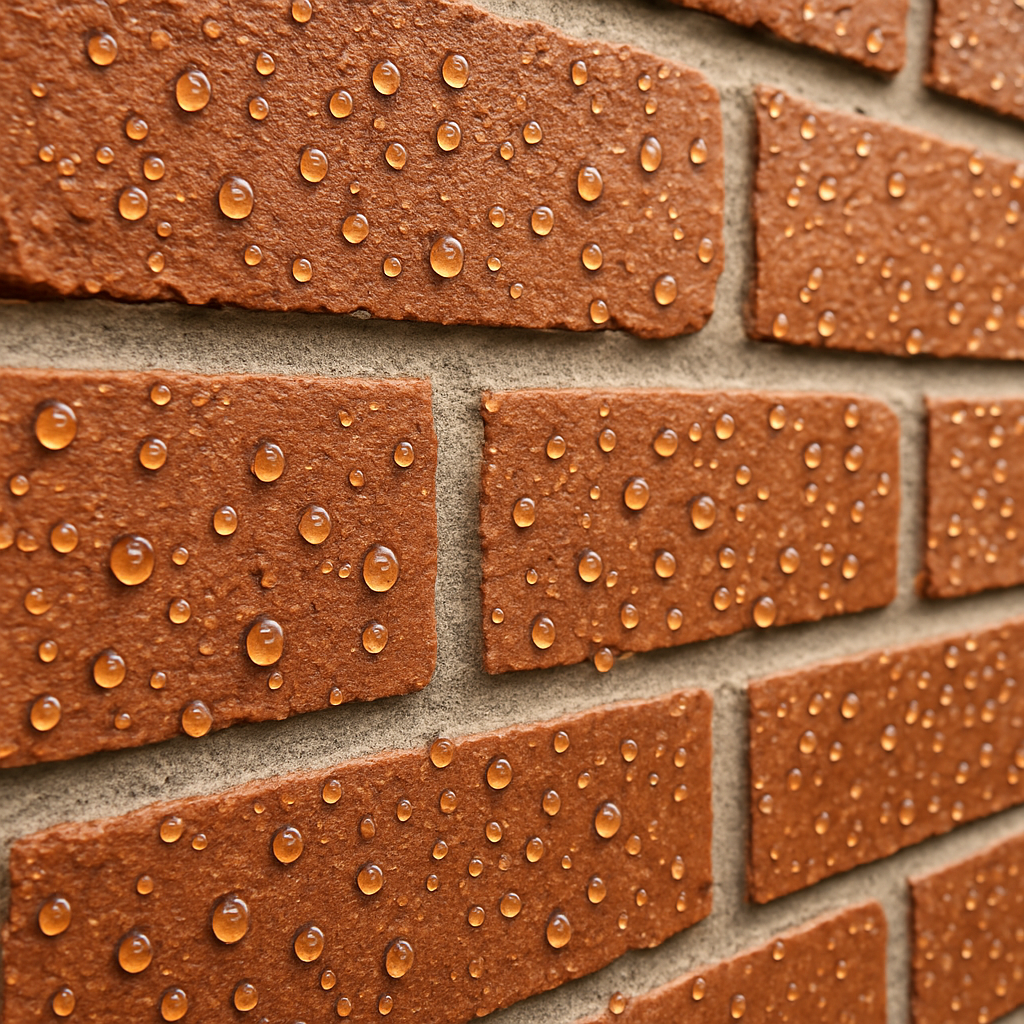
The material penetrates into porous surfaces such as concrete, brick or stone, filling the capillary cracks.
Prevents damage caused by water freeze-thaw cycles (e.g. cracking of concrete).
What are the advantages?
Extends Building Life
It increases the durability of the structure by preventing problems such as corrosion, frost damage and alkali-silica reaction caused by water.
Reduces Maintenance Costs
Problems such as paint peeling, plaster peeling or rust on metal parts are reduced.
Minimizes the need for repairs in the long run.
Aesthetics and Ease of Cleaning
Water stains, dirt accumulation and microorganism (mold, moss) formation on the surface are reduced.
Buildings look cleaner for longer.
Energy Efficiency
Damp buildings lose their thermal insulation properties. Water-repellent materials maintain their insulation performance, saving energy.
Eco-Friendly Options
Some modern water repellents do not harm the environment or human health with their solvent-free (VOC-free) formulas.
Where Are Water Repellents Used?
Reinforced Concrete Structures
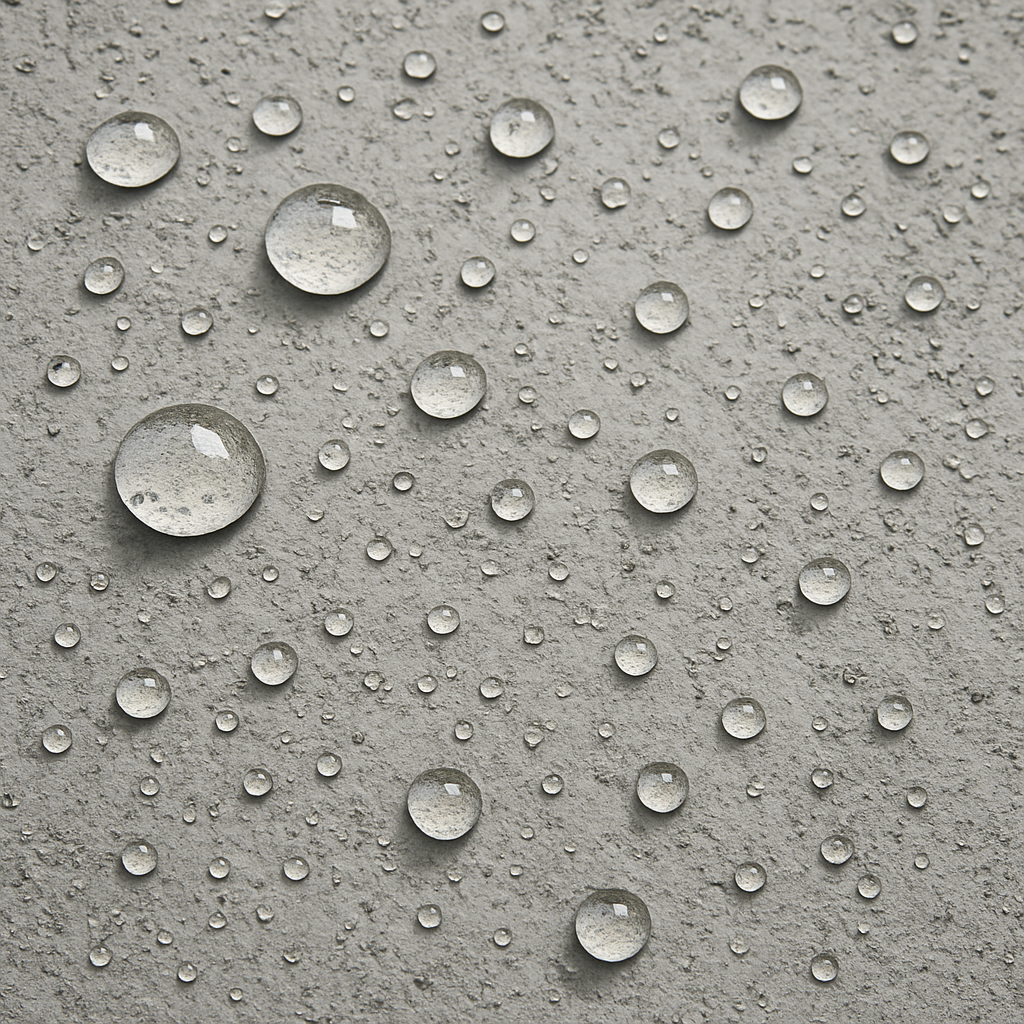
Concrete has a porous structure and water infiltration can cause corrosion, cracks and freeze-thaw damage.
Chloride ions (salt water or chemicals) corrode the iron in the concrete, causing the structural system to weaken.
Bridges: Creates an anti-corrosion barrier in reinforced concrete bridges exposed to salt water and rainwater.
Parking lots: Prevents salt, oil and chemicals brought by vehicles from penetrating into the concrete.
Foundations: Used to protect from groundwater and moisture.
Brick and Stone Walls
Brick and stone absorb water, leading to the growth of efflorescence, mold and algae.
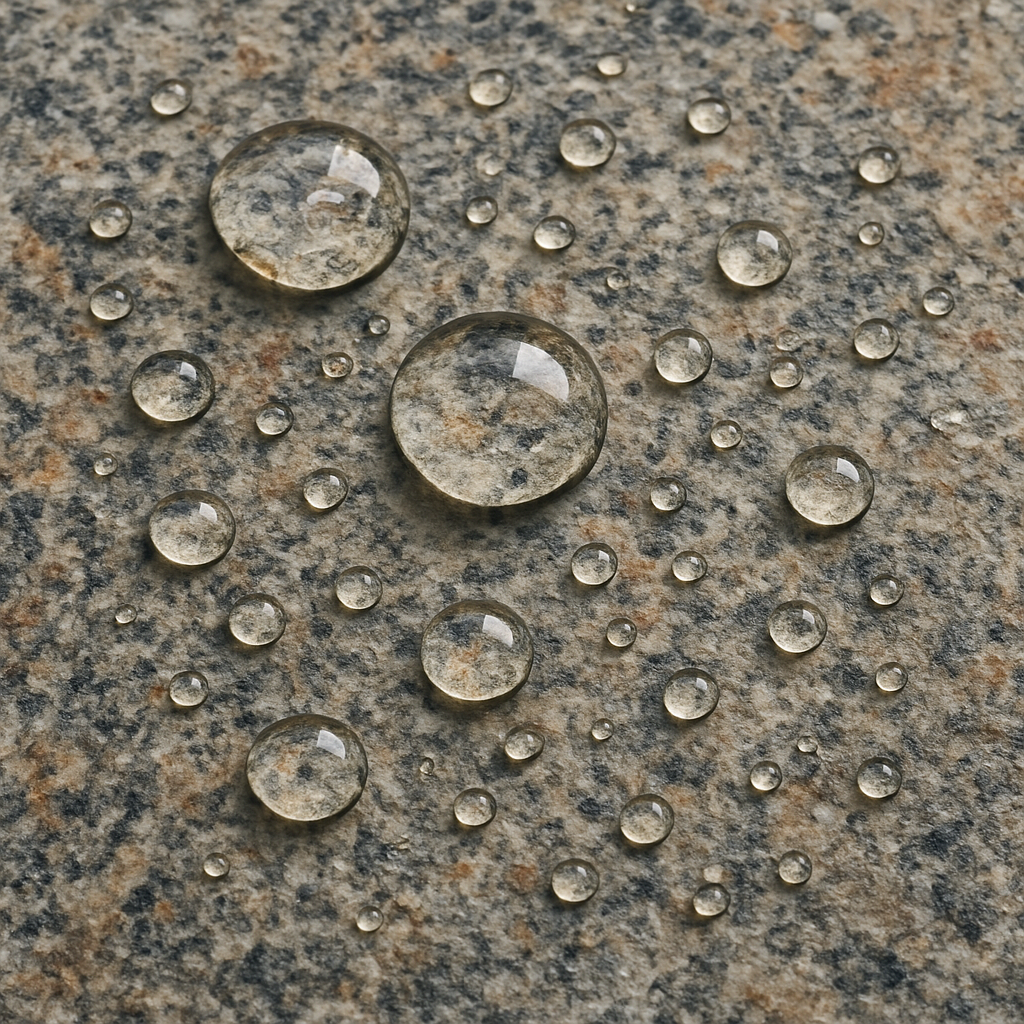
Dissolution, salt crystallization and surface deterioration caused by water in historical buildings are prevented.
Historical Buildings: Provides breathability while preserving the original material.
Exterior Facades: Protects thermal insulation and aesthetics by reducing the absorption of rainwater.
Water-repellent materials protect structures from water and moisture damage. They extend the life of buildings, reduce maintenance costs, and preserve their aesthetic appeal, offering a wide range of applications from reinforced concrete to wood. With the right product selection, they create breathable surfaces and prevent corrosion, mold, and rot.
Author: ecotera.net
Best regards...