
Main Types and Causes of Damage in Limestone, Plaster and Gypsum

Main Types and Causes of Damage in Limestone, Plaster and Gypsum
Limestone, plaster, and gypsum are indispensable materials that complement the aesthetics of both historical buildings and modern spaces. However, these materials can also deteriorate over time due to exposure to various external factors. To extend the life of the material and ensure the correct intervention, it is essential to accurately diagnose the type and cause of the damage.
The most common problems encountered:
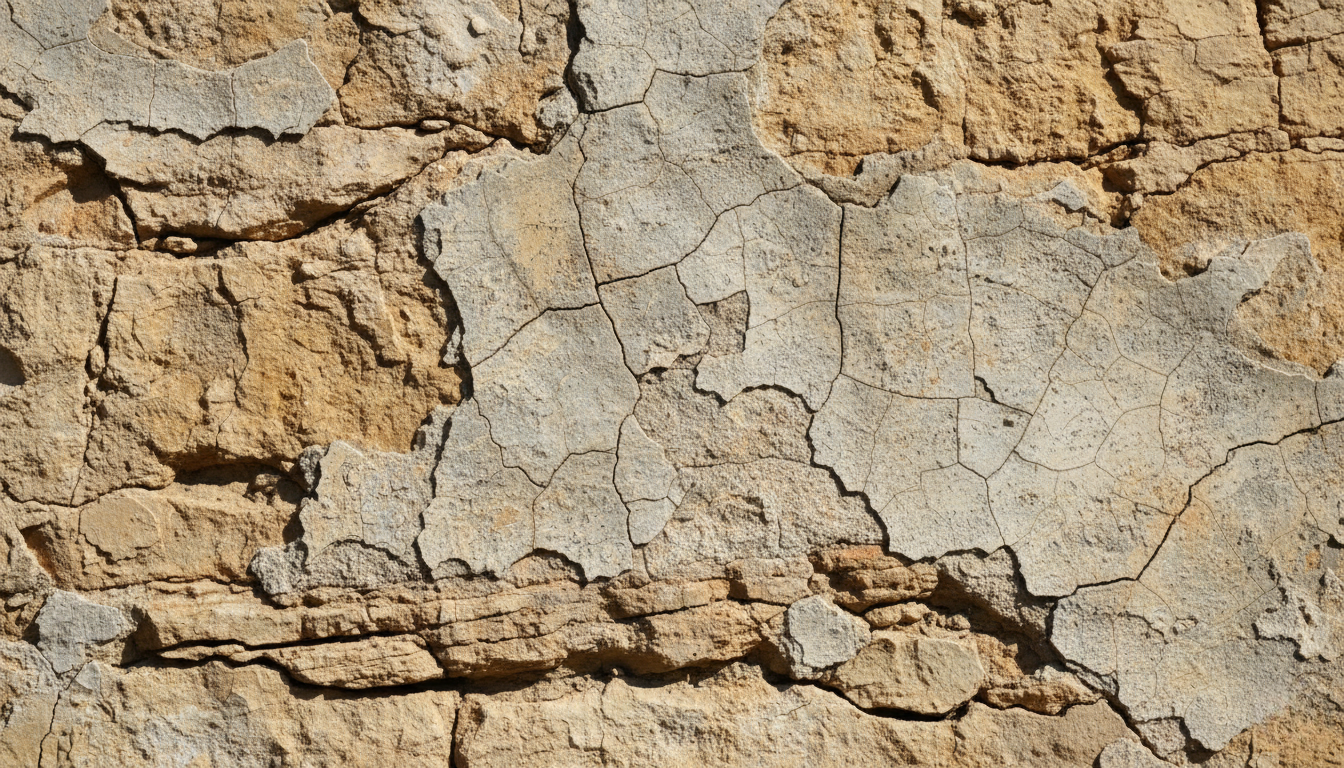
1- Cracks and Separations
This is the most common problem with all three materials. In limestone, settlement of the structure, earthquakes, excessive loads, or temperature fluctuations cause deep cracks. In plaster and gypsum, fine, spiderweb-like cracks or deep separations often occur due to surface stress, impact, or subgrade movement.
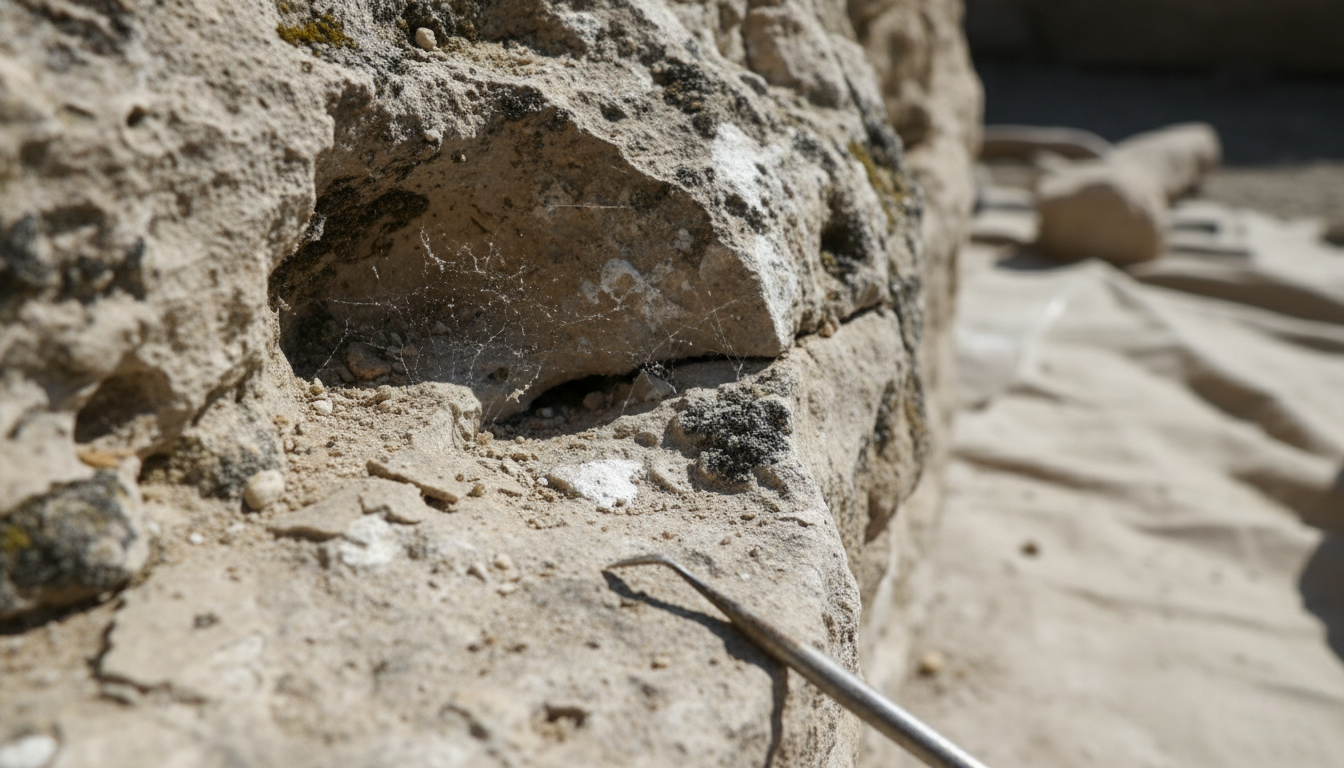
2- Tozuma
Dusting is a serious problem, especially for limestone. It occurs when the material on the surface turns into dust and falls off. The primary cause is moisture accumulating in the pores of the material, dissolving the salts it contains and carrying them to the surface, where they crystallize, causing volume expansion. This process breaks down the material's internal structure. Similarly, in plaster, moisture and freeze-thaw cycles cause dusting.
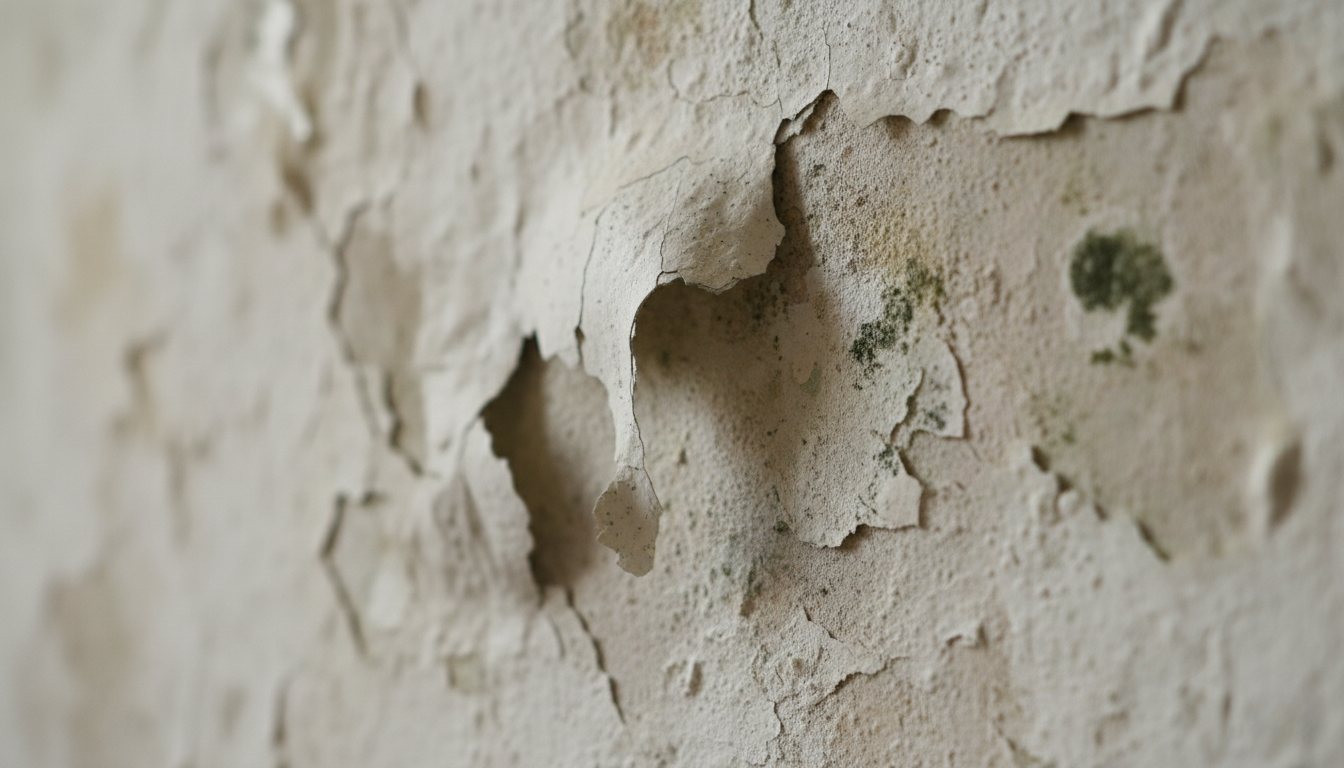
3- Swelling and Shedding
This is a serious damage, most commonly seen on gypsum plaster and gypsum surfaces. Incoming moisture (rising ground moisture, water leaks, capillary moisture, etc.) weakens the plaster and separates it from the substrate. This results in the plaster layer swelling, cracking, and eventually flaking off in large pieces.
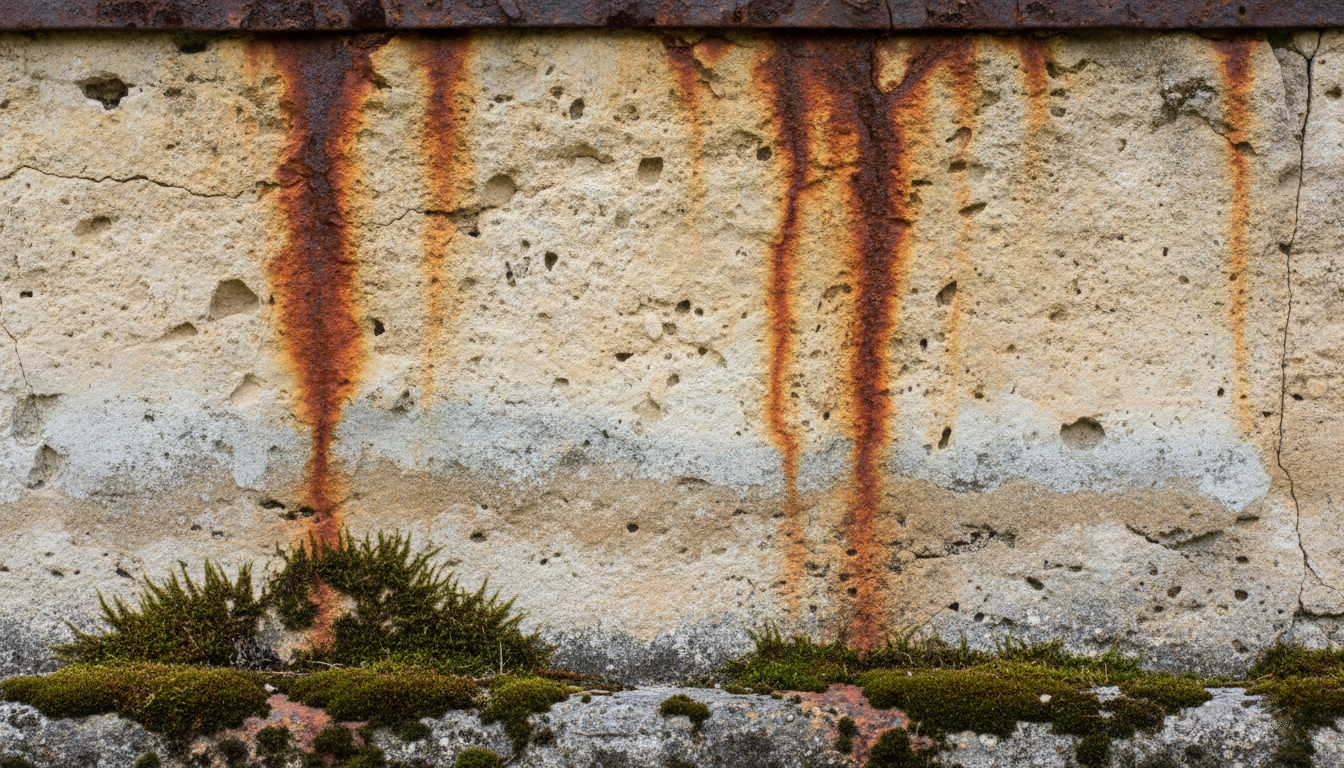
4- Spots
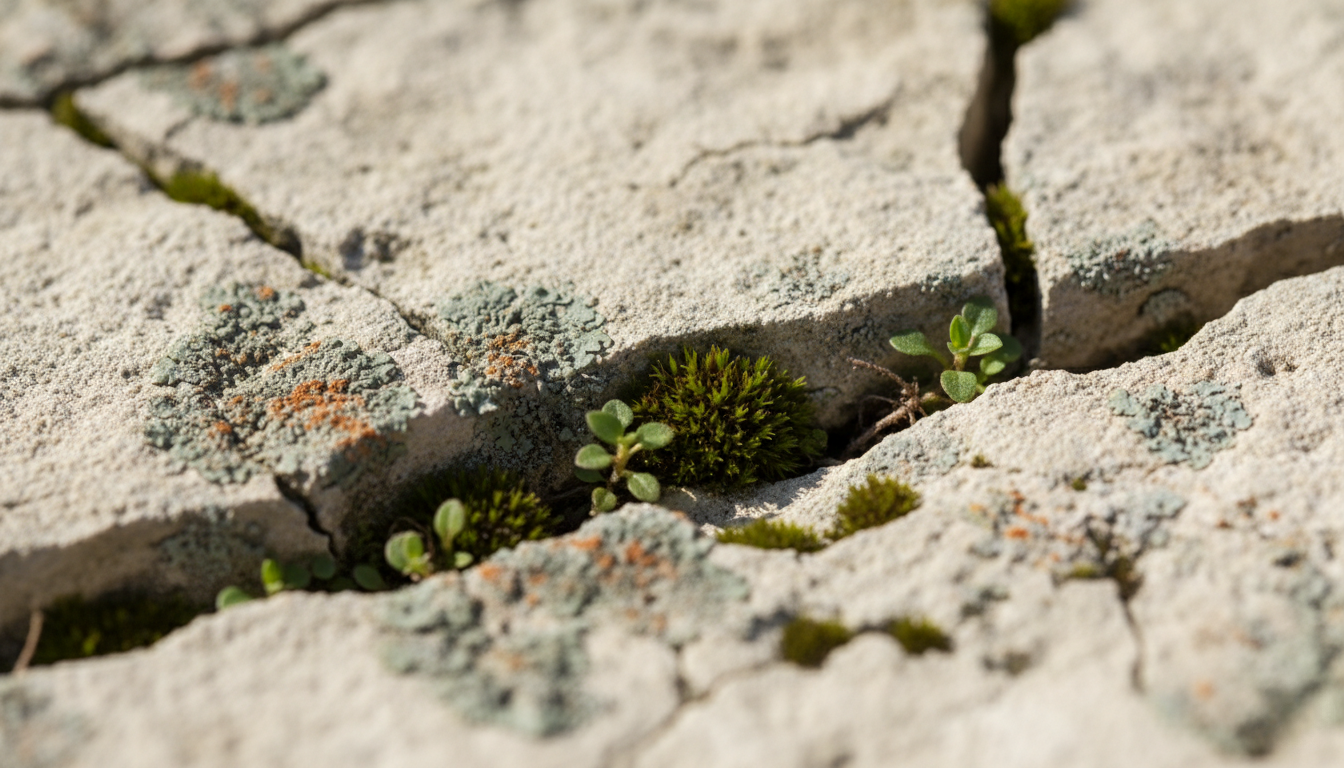
Organic stains: These are mold, moss, algae, lichen, and fungi. A common stain and microflora formation on damp, sunless limestone and plaster surfaces.
- Metal oxide stains: These are brown-red marks left by rusting iron joints on the limestone.
- Water and oil stains: These are dark colored stains resulting from water leakage on exterior wall limestone or interior drywall.
5- Biodegradation
Limestone's porous structure provides an ideal habitat for microorganisms. Moss, grass, and even small plants grow through the stone, causing physical and chemical disintegration.
6- Wear and Tear
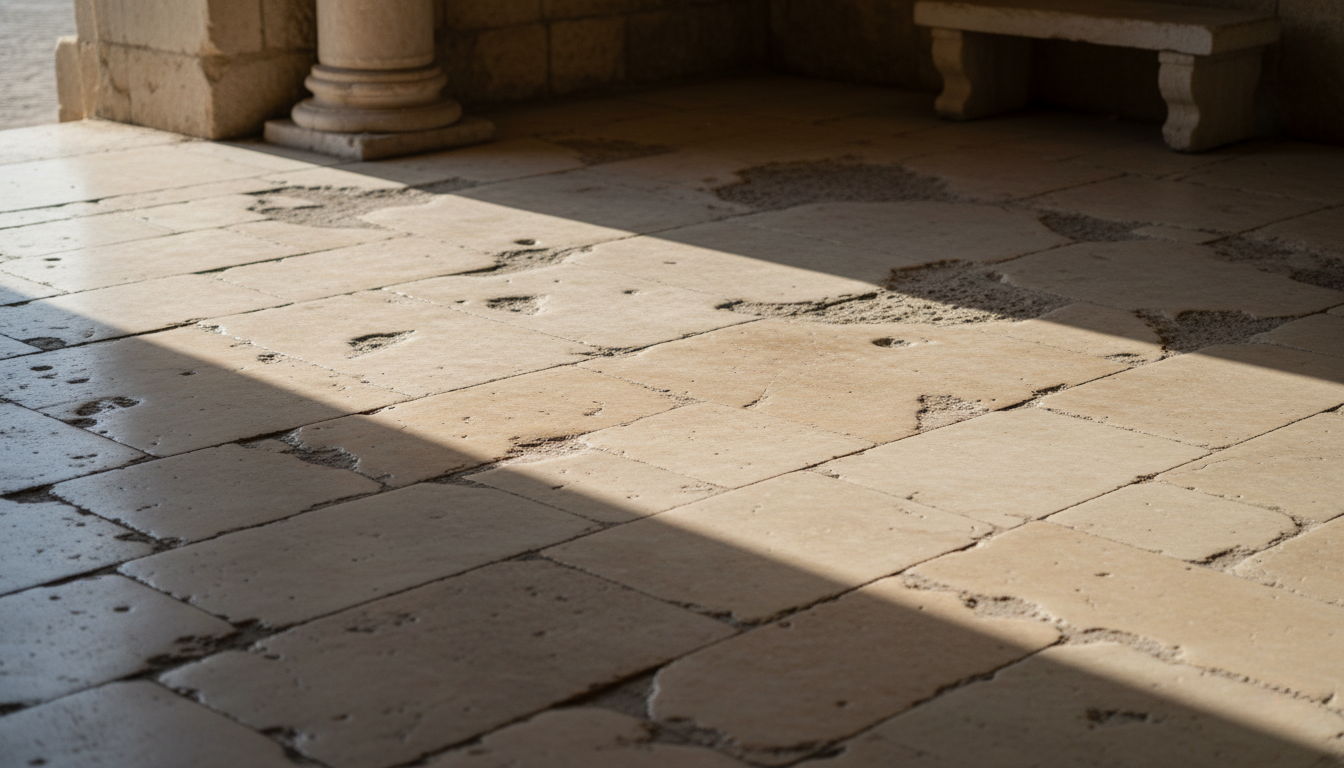
It is particularly visible on limestone and unprotected plaster decorations used as floor coverings. Heavy traffic, cleaning methods, and physical friction erode the surface, causing it to lose its original texture and detail.
7- Contamination and Surface Change
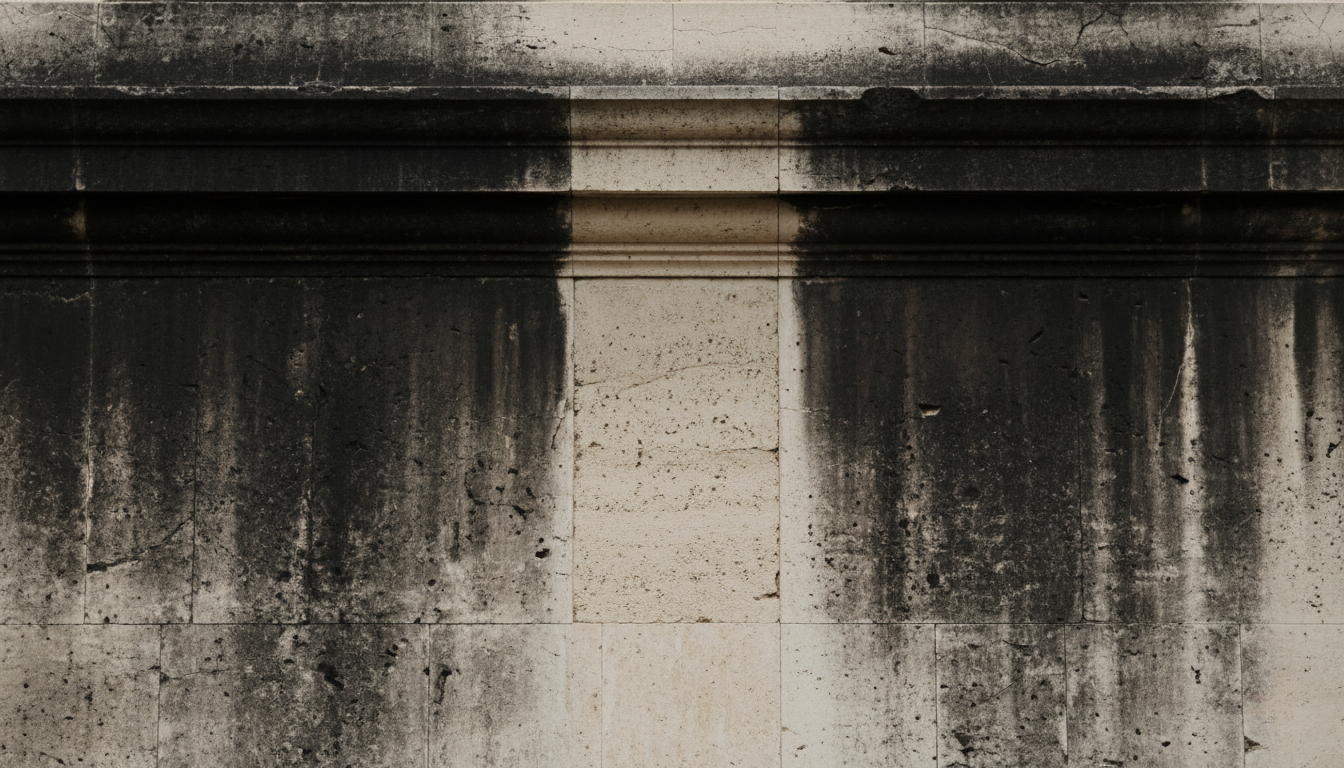
On exterior limestone, dirt and particles in the air combine with rainwater to form a stubborn layer of grime. On plaster and gypsum surfaces, cigarette smoke, dust accumulation, or improper cleaning products can cause permanent discoloration.
The root cause of much of this damage is moisture and improper repairs. The best precautions are to protect the structure from water, repair with breathable, natural materials, and avoid unsuitable cleaning chemicals.