
Problems and Solutions Encountered in Concrete Repair

Problems Encountered on Concrete Surfaces
Concrete structures can be damaged over time due to environmental factors, mechanical loads, and material deterioration. This damage weakens the structure's structural properties and negatively impacts its aesthetic appearance.
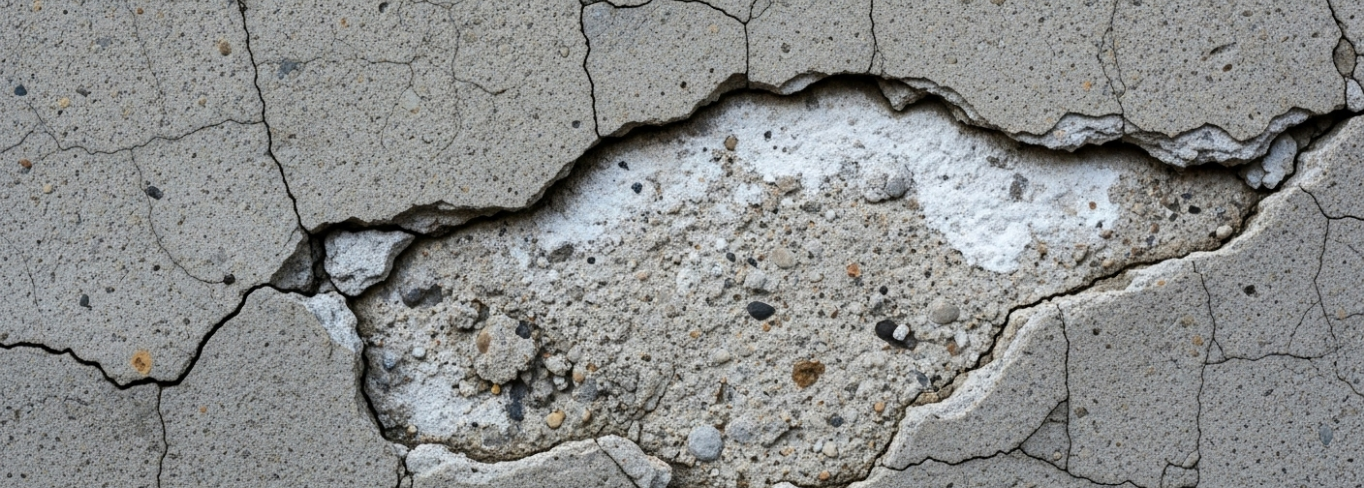
Inadequate Surface Preparation and Cleaning Problems
Inadequate surface preparation before repair significantly reduces the adhesion of the applied repair material. Any dust, oil, loose particles, or old repair residue remaining on the surface will negatively impact the performance of the new material.
As a solution:
- All loose parts on the surface should be cleaned with mechanical brushing or compressed air.
- Special surface cleaners should be used for oil and dirt residues.
- Controlled wetting should be done before application on highly absorbent surfaces (excessive water saturation should be avoided).
- Methods such as sandblasting or acid washing can be applied for roughening.
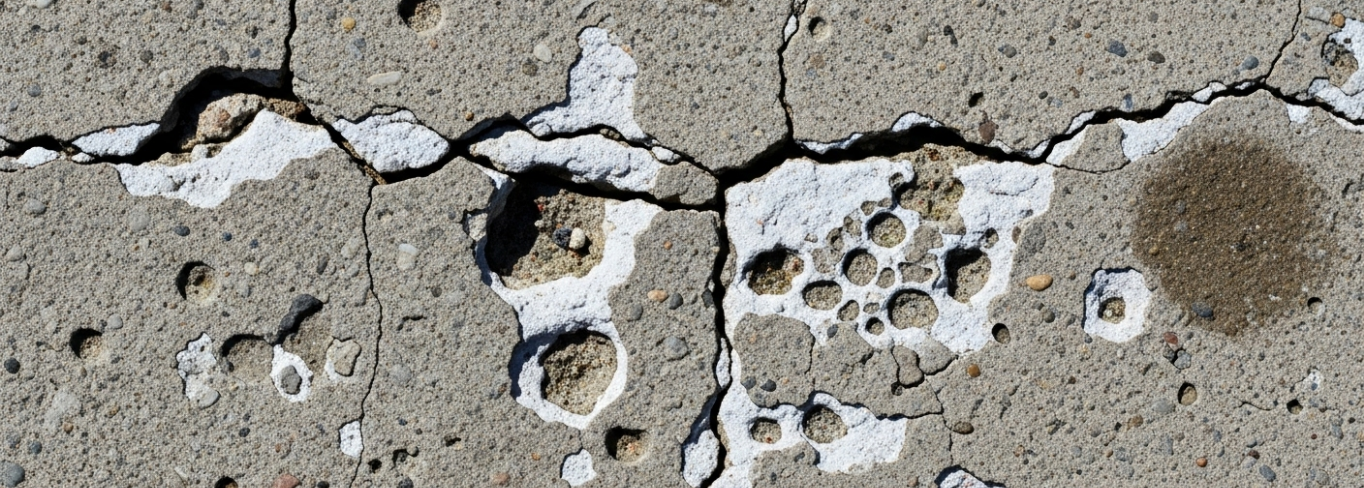
Wrong Material Selection and Mixing Errors
Choosing materials that are not suitable for the characteristics of the area where the repair will be made or errors in mixing ratios will cause the repair to fail in a short time.
Solution techniques:
- For thin repairs (0.5-4 mm), specially formulated fine-grained mortars should be preferred.
- For deep repairs (5-30 mm), fiber-reinforced high-strength mortars should be used.
- The amount of mixing water should be adjusted in full accordance with the instructions for use.
- Low speed mechanical mixers should be used instead of hand mixing.
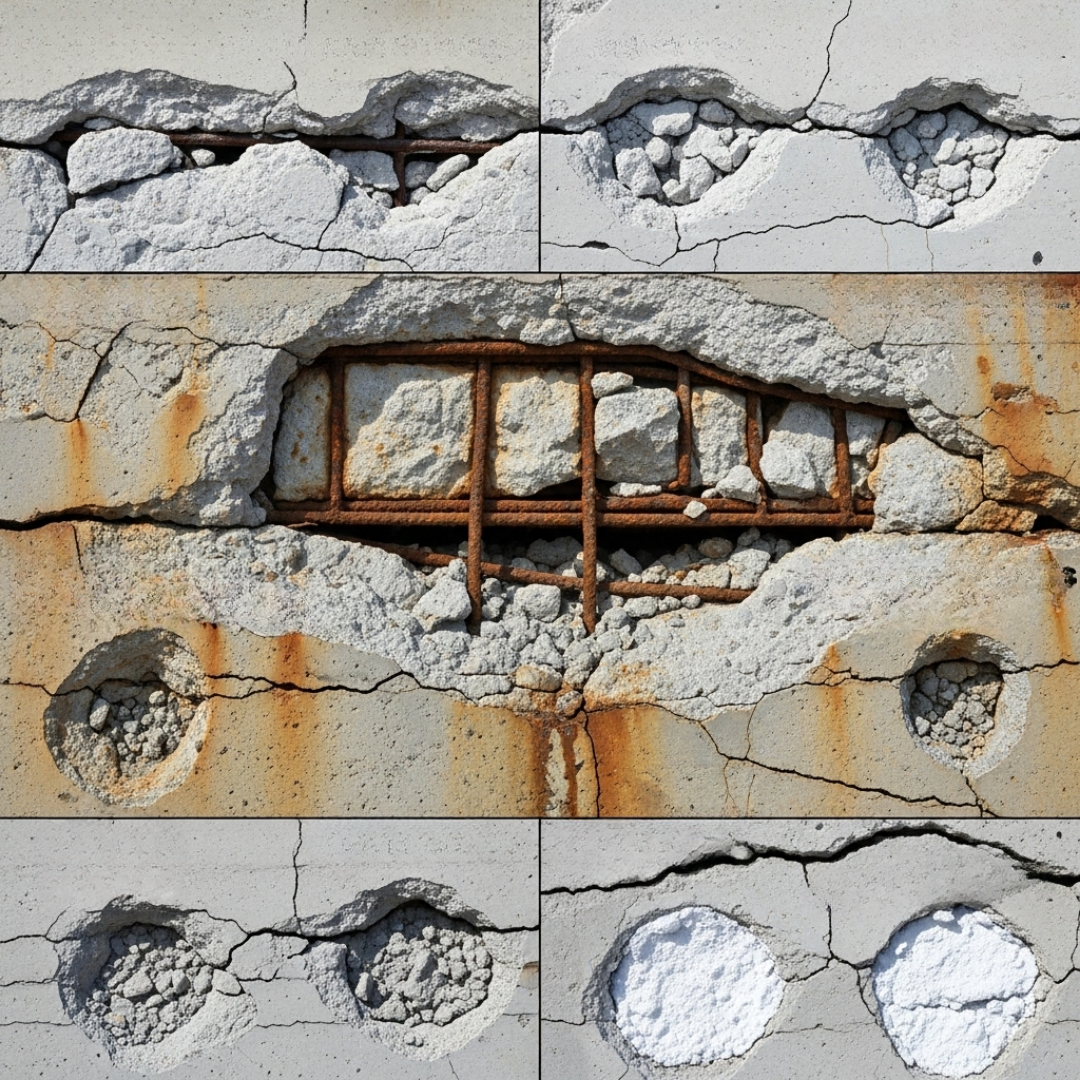
Layered Application Errors and Drying Problems
Applying a single layer in deep repairs may cause shrinkage cracks and internal stresses.
Solution:
- Gradual filling method should be applied for depths exceeding 30 mm.
- Each layer thickness should not exceed 5 - 10 mm
- 1 hour waiting time should be given between layers.
- Thin surface smoothing materials should be used for the final layer.
Vulnerability to Environmental Factors
Problems such as freezing-thawing and chemical corrosion may occur in concrete exposed to outdoor conditions.
Endurance-Boosting Solutions:
- Special repair mortars that are resistant to water and frost should be selected.
- Durable and waterproof products should be preferred in areas with a risk of corrosion.
- Highly abrasion resistant materials should be used in high traffic areas.
- Appropriate surface coatings should be applied in places where UV resistance is required.
Post-Implementation Care Deficiencies
Inadequate curing after repair may cause premature drying cracks on the surface.
- Curing should be done with a damp cloth or water spray for the first 24 hours.
- Additional protection should be provided in extremely hot and windy weather.
- At least 7 days must be allowed for full load transportation.
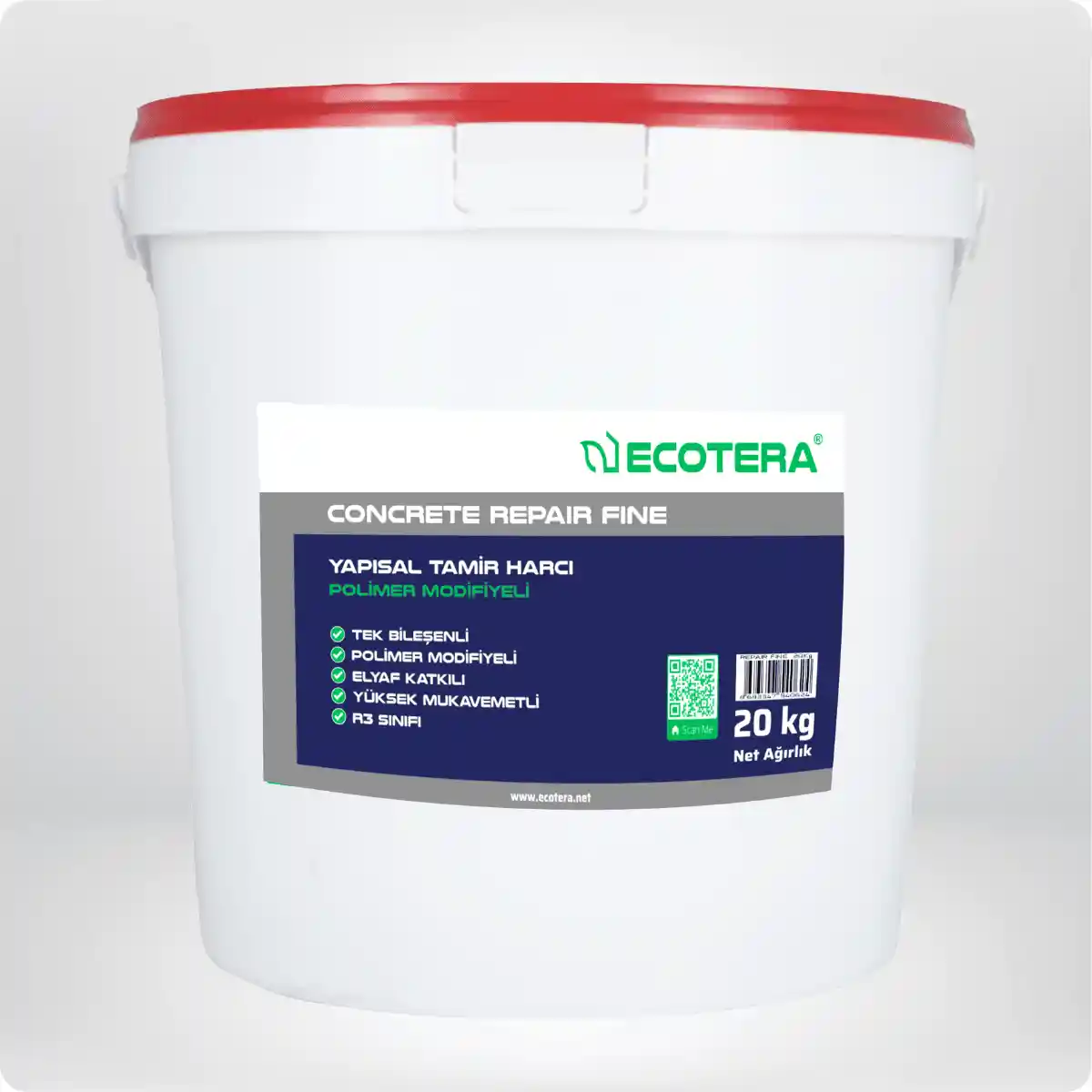
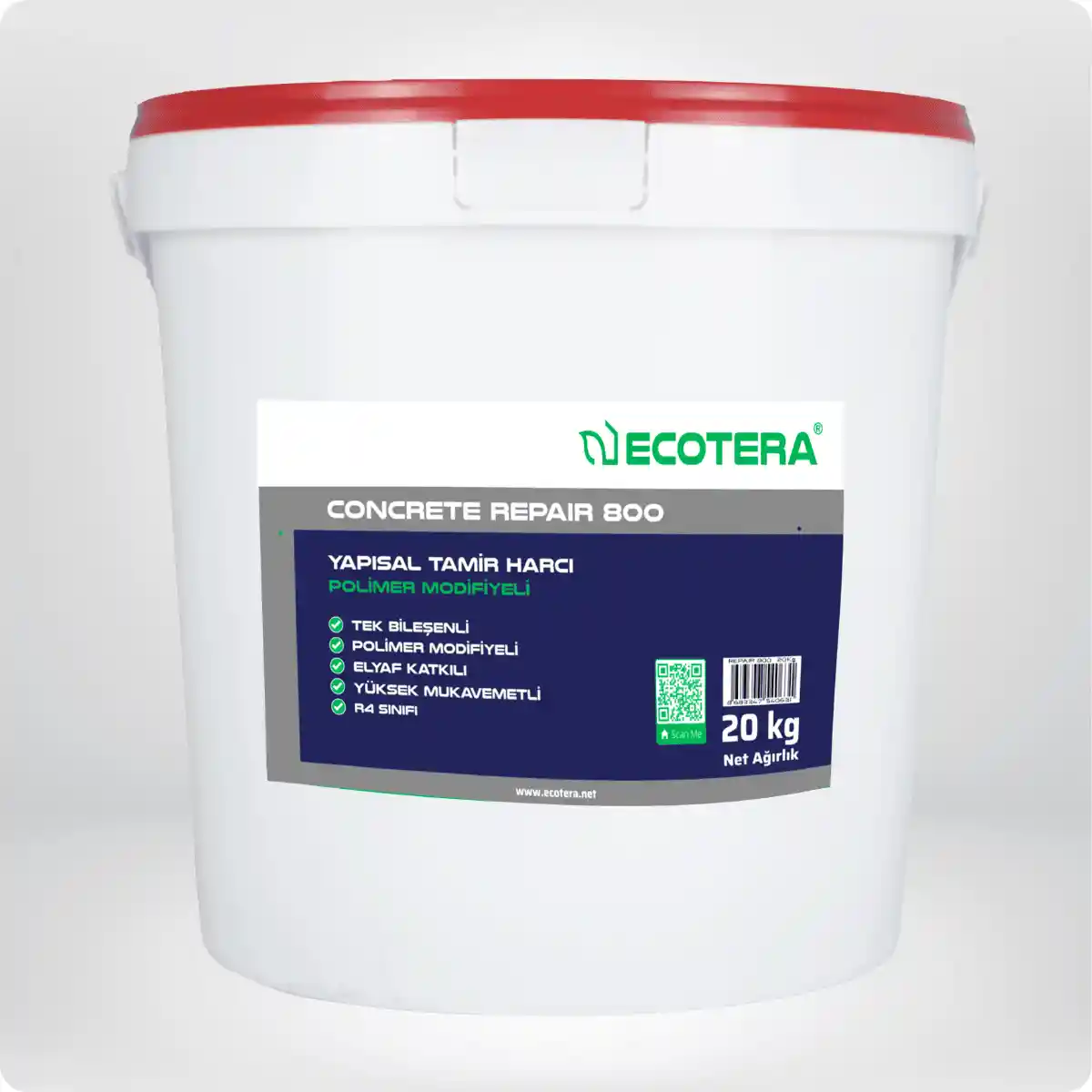
Ecotera / Bautera's expert products offer effective results in solving all the mentioned problems.
- Concrete Repair Fine : Ideal for thin surface repairs between 0.5-4 mm, provides a smooth surface finish.
- Concrete Repair 800 : With its fiber-reinforced structure, it offers high strength for repairs at a depth of 5-30 mm.
For More Information, You Can Check Out Our Concrete Repair Page or Other Blog Posts ...
Author: Ecotera.net
Best regards...