
Restoration and Consolidation: Sandstone and Limestone Consolidation

Restoration and Consolidation: Sandstone and Limestone Consolidation
Natural stone is one of the most important components of historical buildings and architectural monuments. However, over time, atmospheric conditions, pollution, moisture, and biological agents can cause deterioration on stone surfaces. This deterioration can lead to weakening of the surface, increased porosity, and even deep cracks and surface loss. Consolidation methods used in the restoration process play a critical role in restoring the stone's mechanical stability and extending its lifespan.
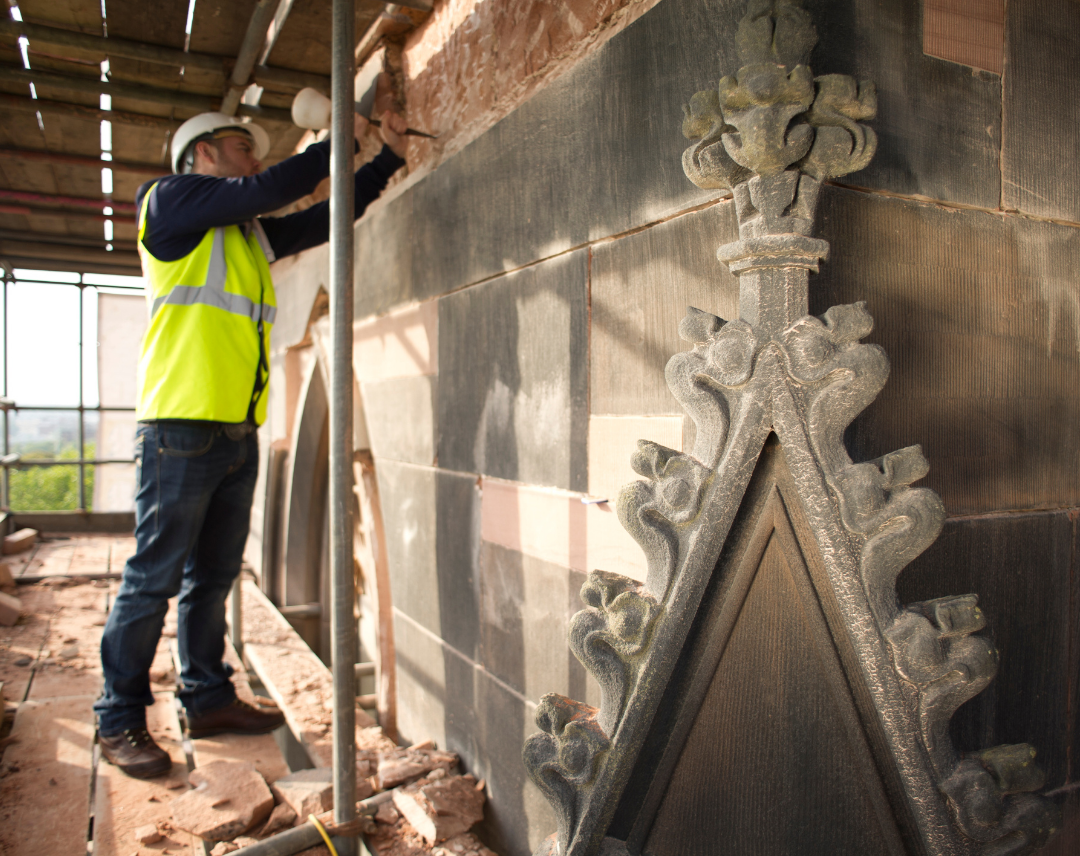
What is Consolidation and Why is it Important?
Consolidation is a restoration technique that restores damaged stone structures to their original strength. The materials used in this process penetrate the stone's internal structure, strengthening the damaged areas. Porous stones, such as sandstone and limestone, are particularly vulnerable to external factors, and consolidation can preserve their structural integrity.
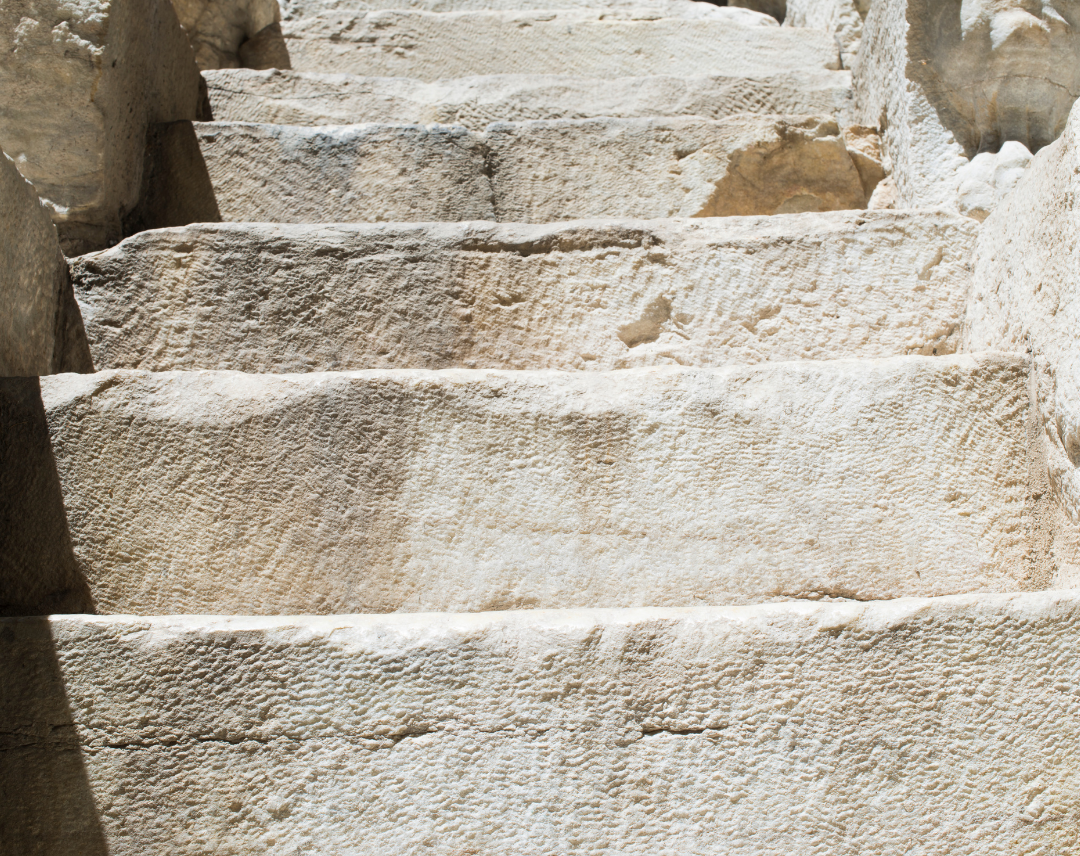
Silicate-Based Consolidation Materials
Silicate-based products, which have been used successfully for many years, deliver effective results in stone consolidation . These materials react with water to form silica gel, filling the voids within the stone. This increases the stone's mechanical resistance and controls water permeability. Silicate-based consolidants penetrate deeply, providing long-term protection, especially in highly porous stones like sandstone.
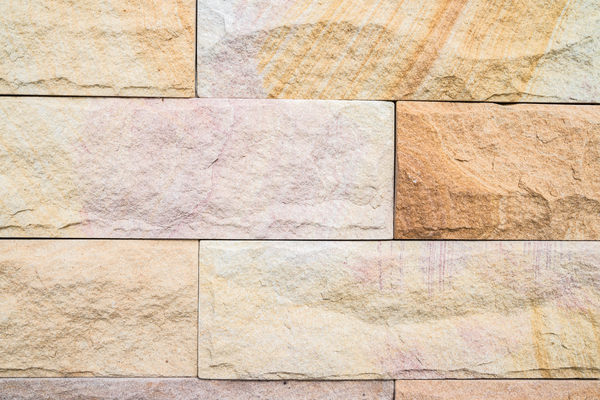
Sandstone Consolidation
Sandstone, due to its high porosity, is highly susceptible to water and salt crystallization. During consolidation , the damaged surface of the stone must be completely saturated and balanced with the intact inner layers.
For optimal results:
Surface cleaning should be done first, and dust, dirt and organic deposits should be removed.
Silicate-based consolidants should be applied homogeneously by spraying or brushing.
Sufficient drying time must be allowed for the material to polymerize completely.
Thanks to these processes, sandstone regains its original strength and becomes more resistant to external factors.
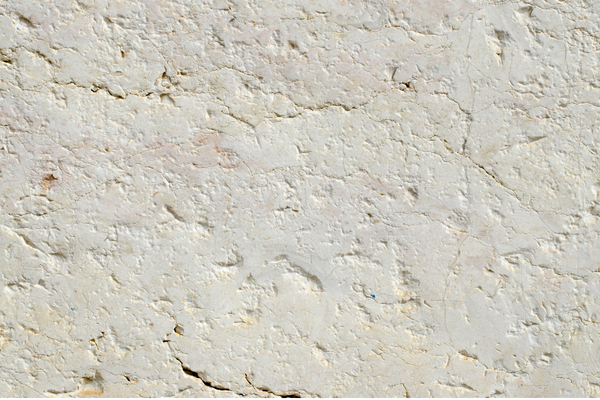
Limestone Consolidation
Limestone is susceptible to chemical weathering and dissolution. Calcium carbonate-based products or nanoparticle solutions can be used in the consolidation process. Because limestone has a different pore structure than sandstone, the consolidant must be distributed evenly throughout the stone. Furthermore, materials that preserve the limestone's breathability should be selected.
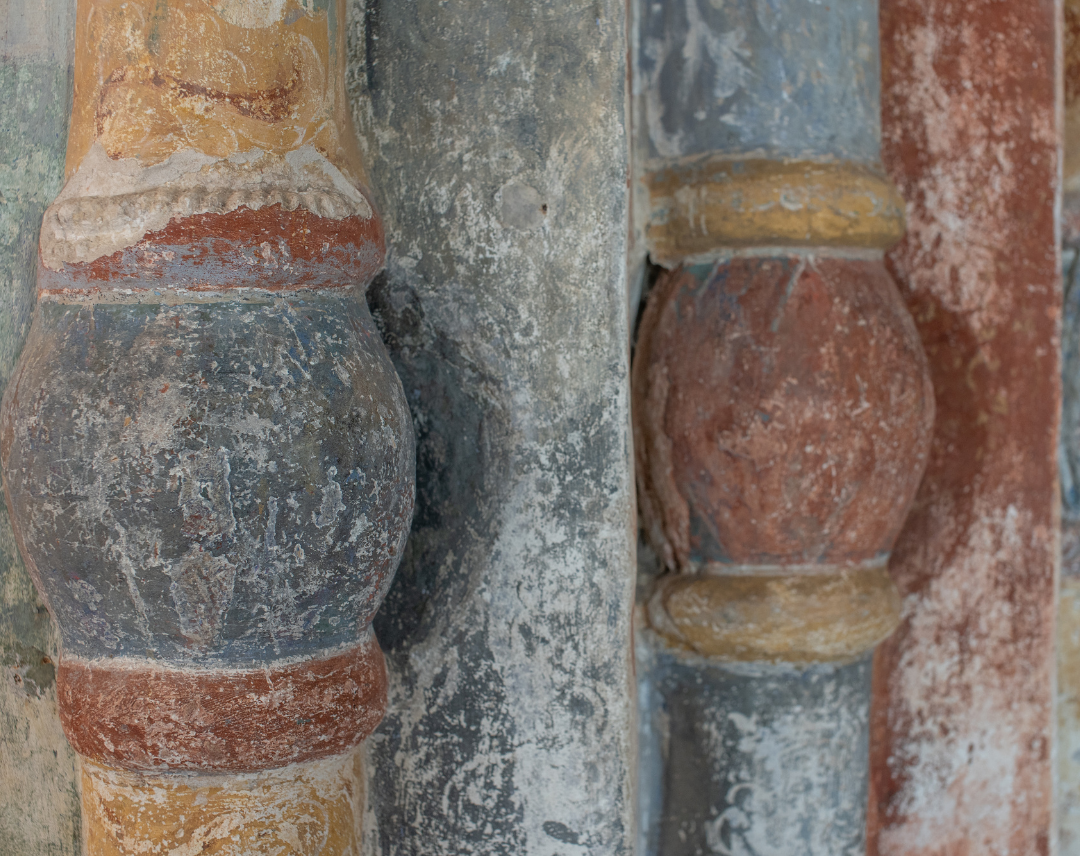
The preservation of natural stones such as sandstone and limestone is crucial for preserving cultural heritage for future generations. Proper consolidation techniques and material selection can preserve the structural integrity of the stones and preserve their aesthetic appearance. Professional restoration projects should utilize methods appropriate to the type of stone and its degree of deterioration, aiming for long-term preservation.
For More Information, You Can Visit the Restoration and Consolidation Page...
Author: Ecotera.net
Best regards...