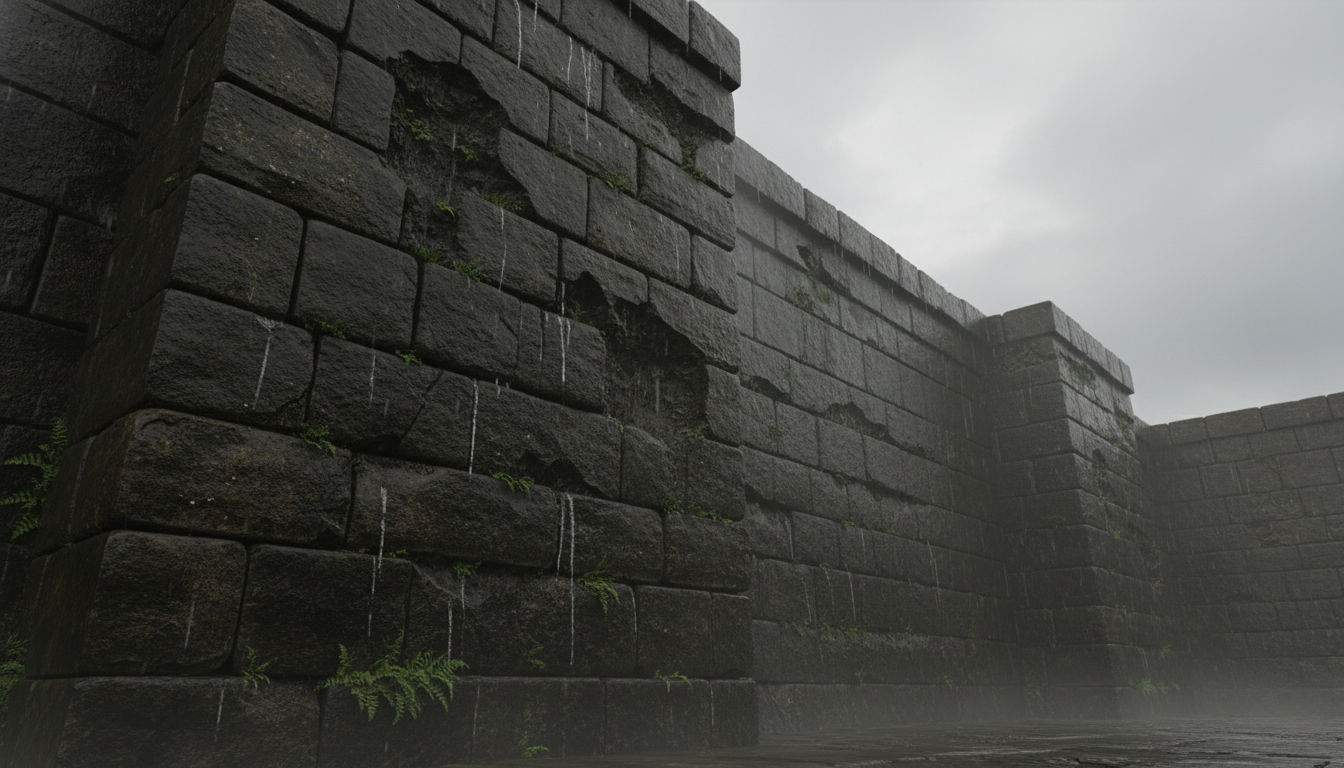
Restoration: Carrying Cultural Heritage to the Future

Restoration: Carrying Cultural Heritage into the Future
Historic structures are the memory of the lands we inhabit. Every crack, every worn stone holds the story of an era. Restoration is the art of passing these stories on to future generations without erasing or damaging them. So, how do modern restoration processes work? Let's take a look at the nuanced world of challenging time with stone.
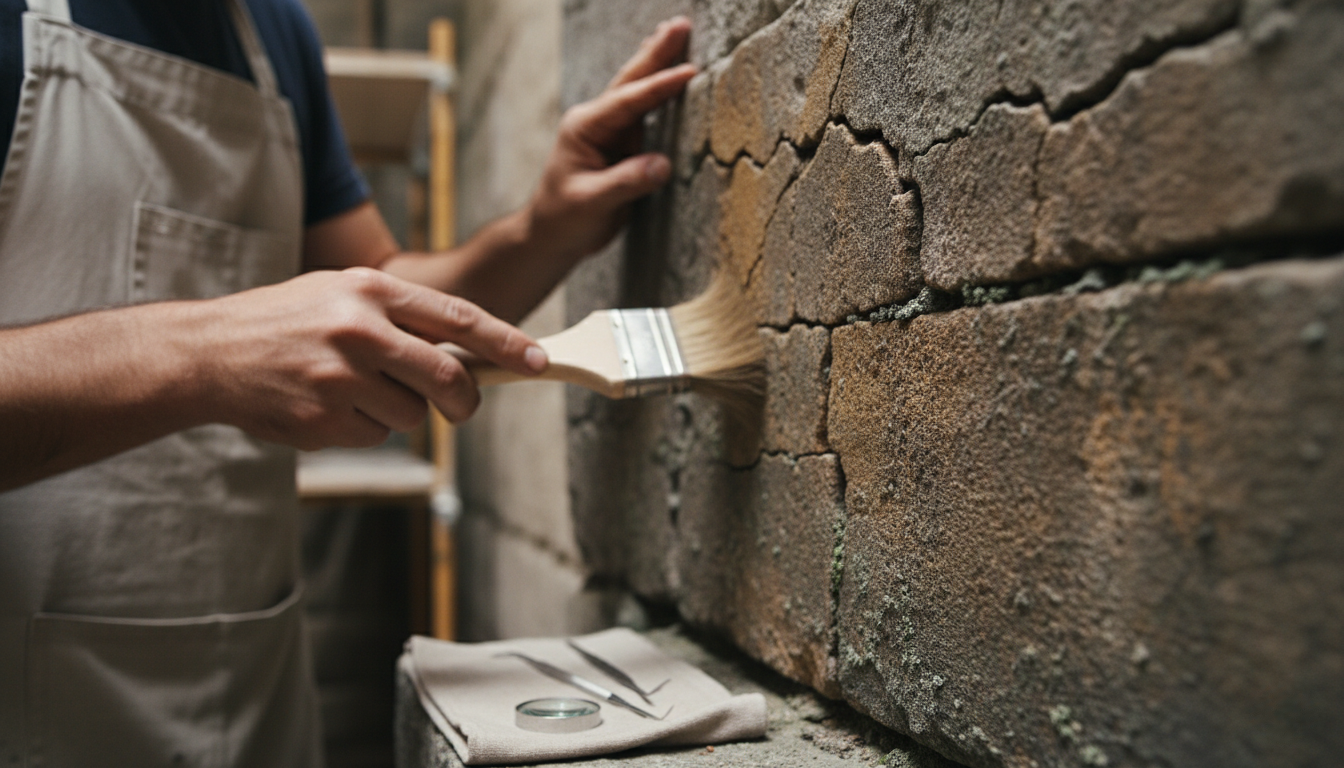
What is Restoration and Why is it So Important?
Restoration is the process of restoring a historic structure while preserving its authenticity and character. Its goal is not to freeze the structure in its place, but to preserve it as a living document by increasing its resistance to the ravages of time and nature. A civilization is only as strong as its monuments. Therefore, every restoration project is the foundation of a legacy left for the future.
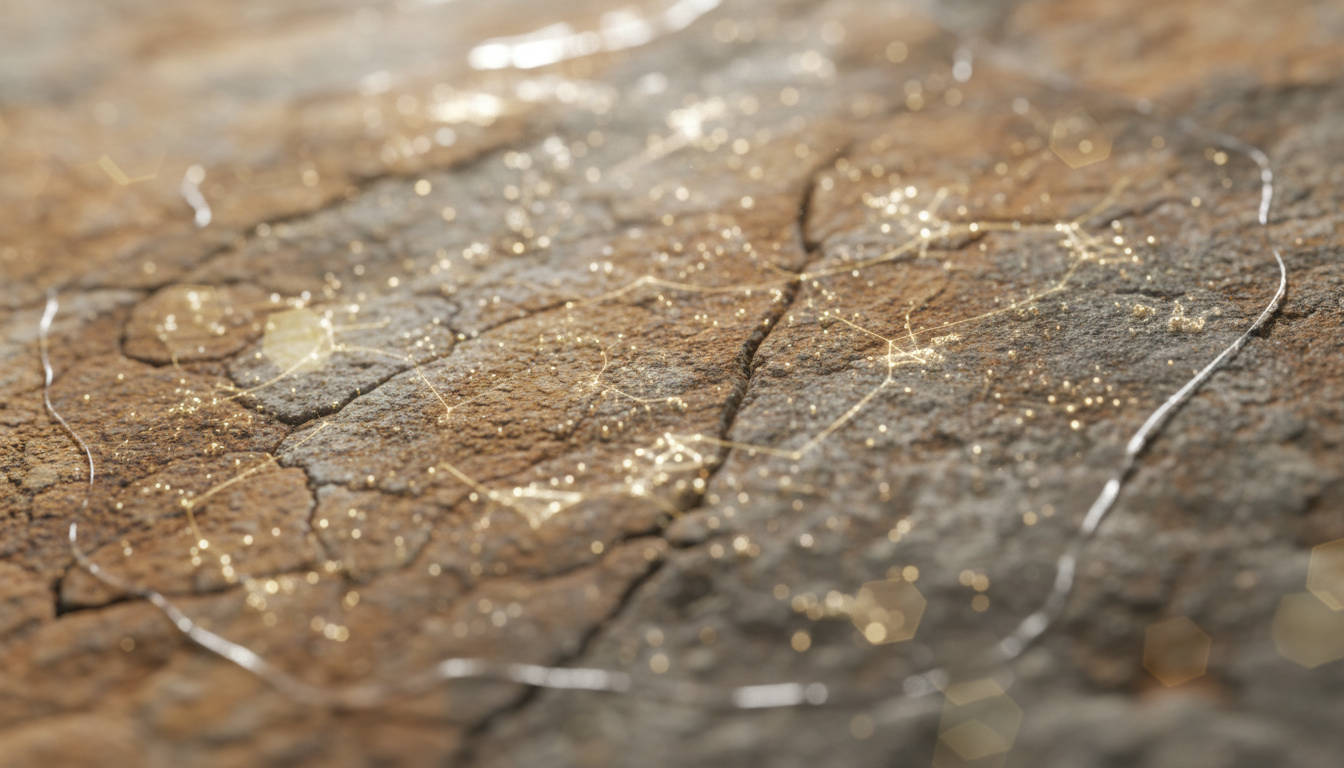
The Perfect Harmony of Science and Art: Modern Restoration Techniques
Today, restoration is the meeting point between traditional craftsmanship and cutting-edge scientific methods. The following steps are now followed when repairing a building:
- Detailed Analysis: The structure is examined in detail using thermal cameras, 3D scanners, and microscopic analysis. Moisture maps are generated and material compositions are analyzed.
Minimal Intervention: The basic principle is to provide maximum protection with as little intervention as possible. Techniques that do not damage the original material but rather "talk" to it are used.
- Advanced Technology Products: In addition to traditional mortar, silicate technology products such as Restora Fix , Restora WP 07 , and Restora Desalt are used. These products protect the stone against environmental threats and allow it to "breathe" without clogging its porous structure.
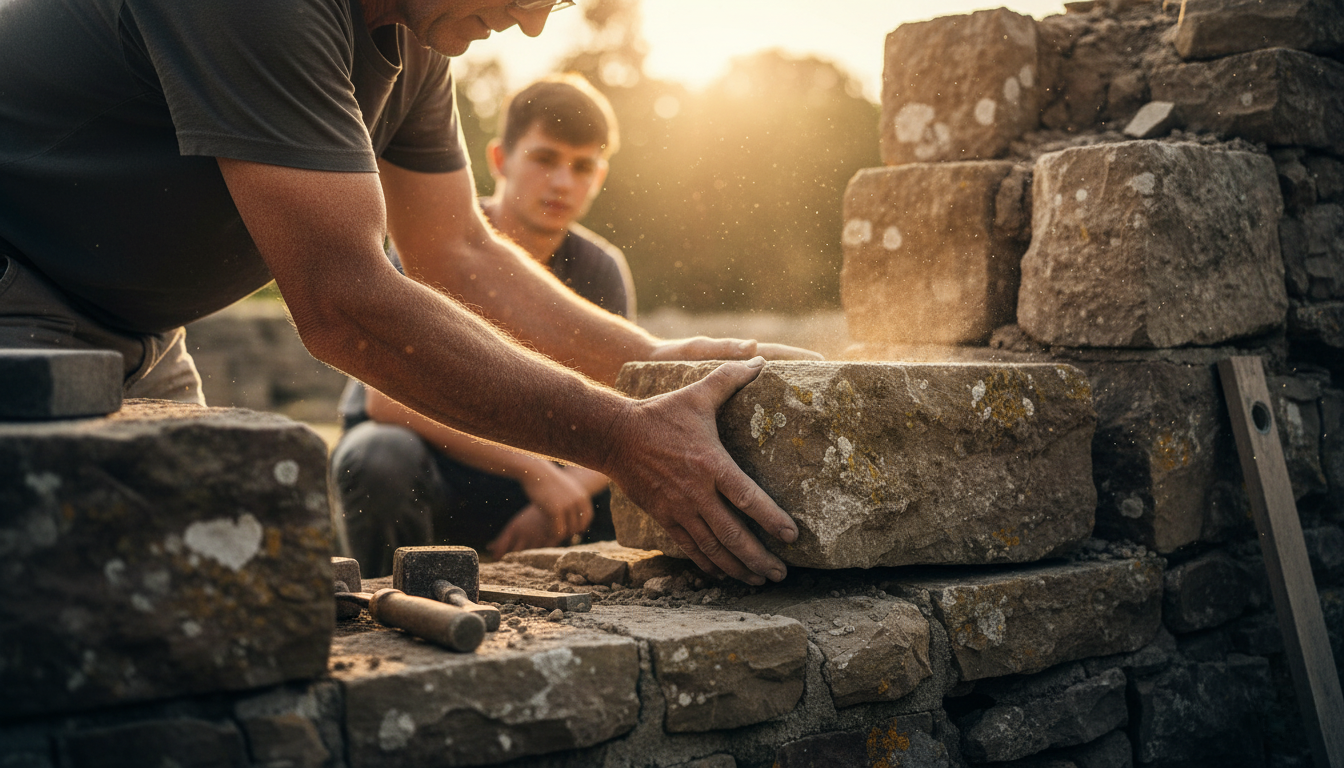
Materials and Technologies Used in Restoration Work
Choosing the right material directly impacts the success and durability of a restoration. Materials that are not only durable but also compatible are now preferred:
- Silicate-Based Chemicals: These products form a chemical bond with the mineral structure of the stone. Instead of creating an artificial layer, they strengthen the stone itself. This is the most effective way to work in harmony with nature.
- Nanotechnology: Nano-sized particles penetrate the deepest pores of the material, creating an invisible and highly effective protective shield.
- Geopolymer Mortars: A modern alternative to traditional lime mortar, these mortars provide high durability and resistance to acid rain.
The Challenges of Restoration: Struggling with Nature and Time
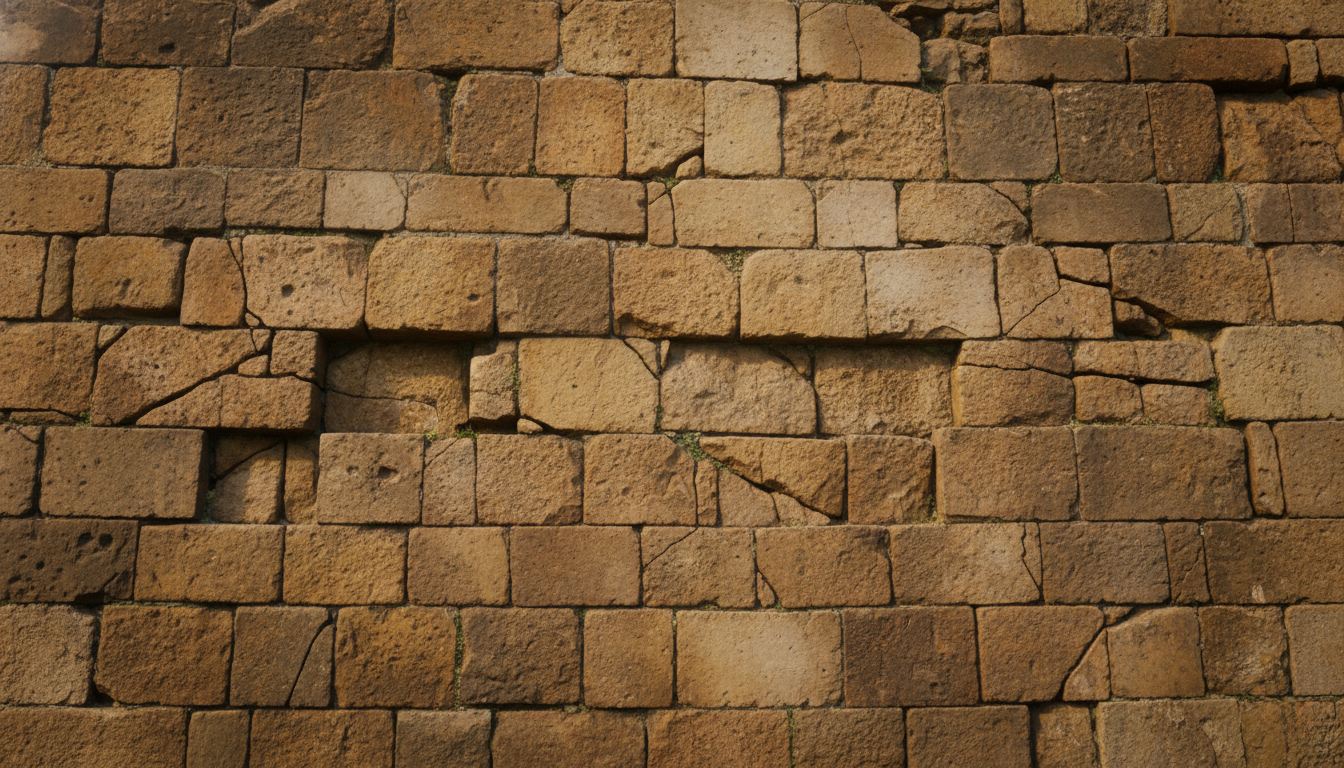
Historic buildings are constantly exposed to the effects of natural conditions. Wind, humidity, pollution, tourism pressure, and improper repairs are their greatest enemies. Acid rain, in particular, erodes stone surfaces, while salt crystallization and capillary moisture buildup weaken foundations and weaken structures internally. Modern restoration aims to address these problems by addressing the structure holistically. Our goal is not to fight nature, but to understand its cycle and keep the structure safe within it.
Restoration is much more than simply replacing a stone. It's about respectfully extending the next century with the touch of a master a century ago. Beyond a technical task, it's a philosophical act. We are the silent guardians of this land. Every solid step we take today writes the history of tomorrow.
Loyalty to the past is the most valuable gift to the future.