
Restoration Materials: Resto Desalt, Salting & Efflorescence Problems in Buildings, Causes, Damages and Cleaning

Restoration Materials: Resora Desalt, Salting & Efflorescence Problems in Buildings, Causes, Damages, Cleaning
Over time, aesthetic problems arise in building materials and architectural structures due to weathering, chemical, and physical influences. These problems threaten the aesthetics and integrity of buildings. One of these problems is salinization , or efflorescence, as it is commonly known.
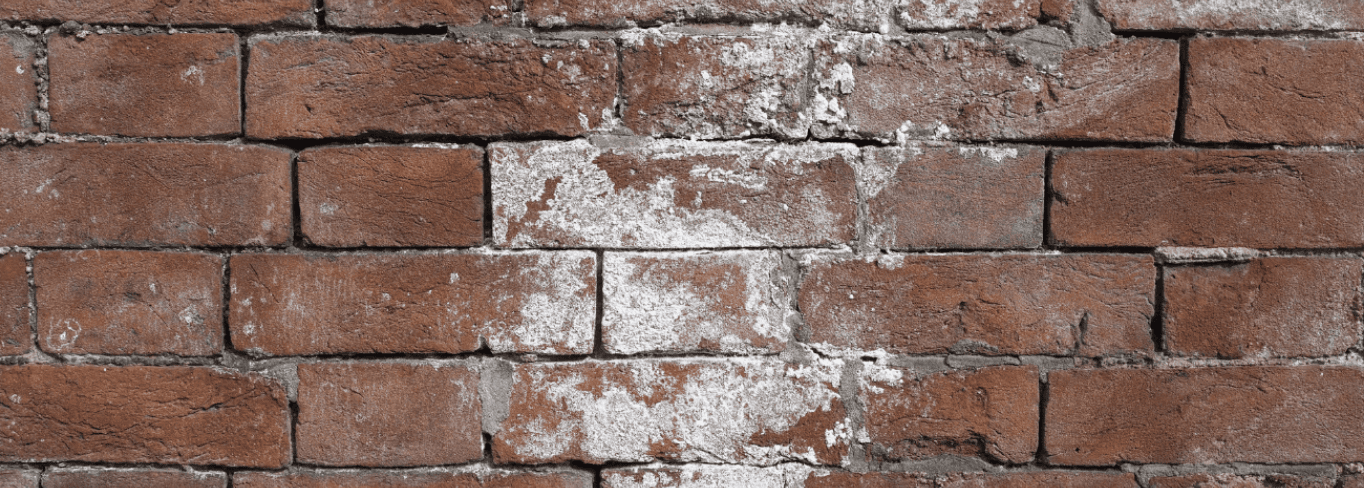
What is Salinization (Elevation)?
Salinization is the phenomenon of soluble salts within building materials or their components dissolving, moving, and evaporating under the influence of water or moisture, resulting in the formation of crystalline chloride salts on the surface and their accumulation. This can be observed as white traces.
Salt buildup doesn't just accumulate on the surface. Depending on the porosity of the building material, it also accumulates in the capillary spaces, posing a threat to the integrity of the building.
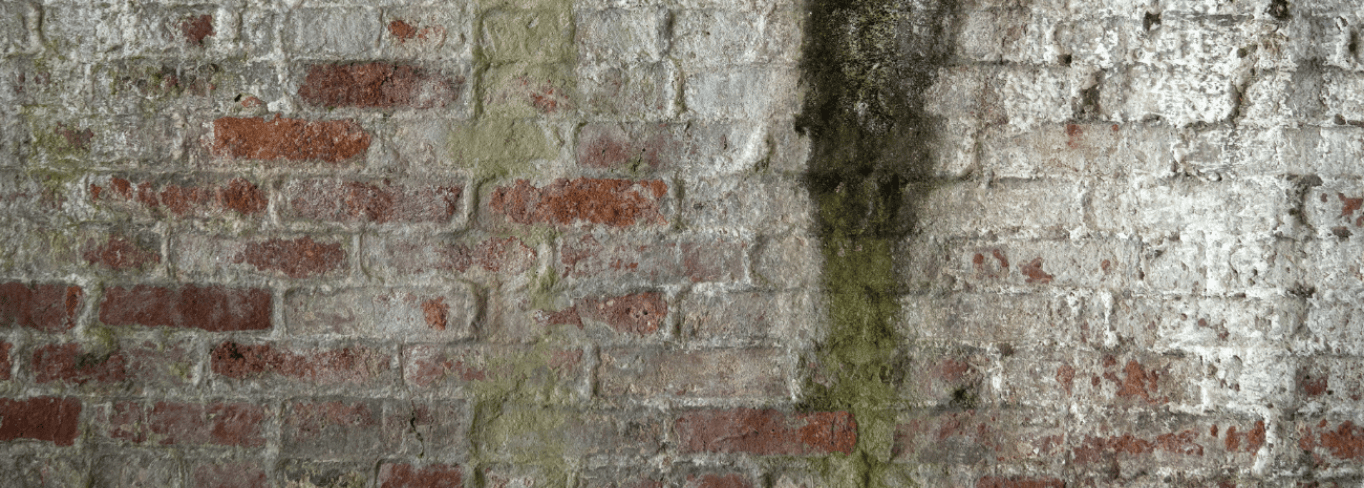
Harms of Salinity
Crystallized salts often cause surface deterioration and damage the aesthetic appearance of a structure. They cause surface cracking and spalling. Chloride salts that infiltrate concrete structures can corrode the iron reinforcement, a crucial element that ensures the integrity and durability of the structure. Therefore, they pose a significant risk to the safety of the structure. Because salt migration increases with increasing humidity, simply removing the salt is not sufficient. Therefore, moisture-related problems within the structure must be addressed holistically.
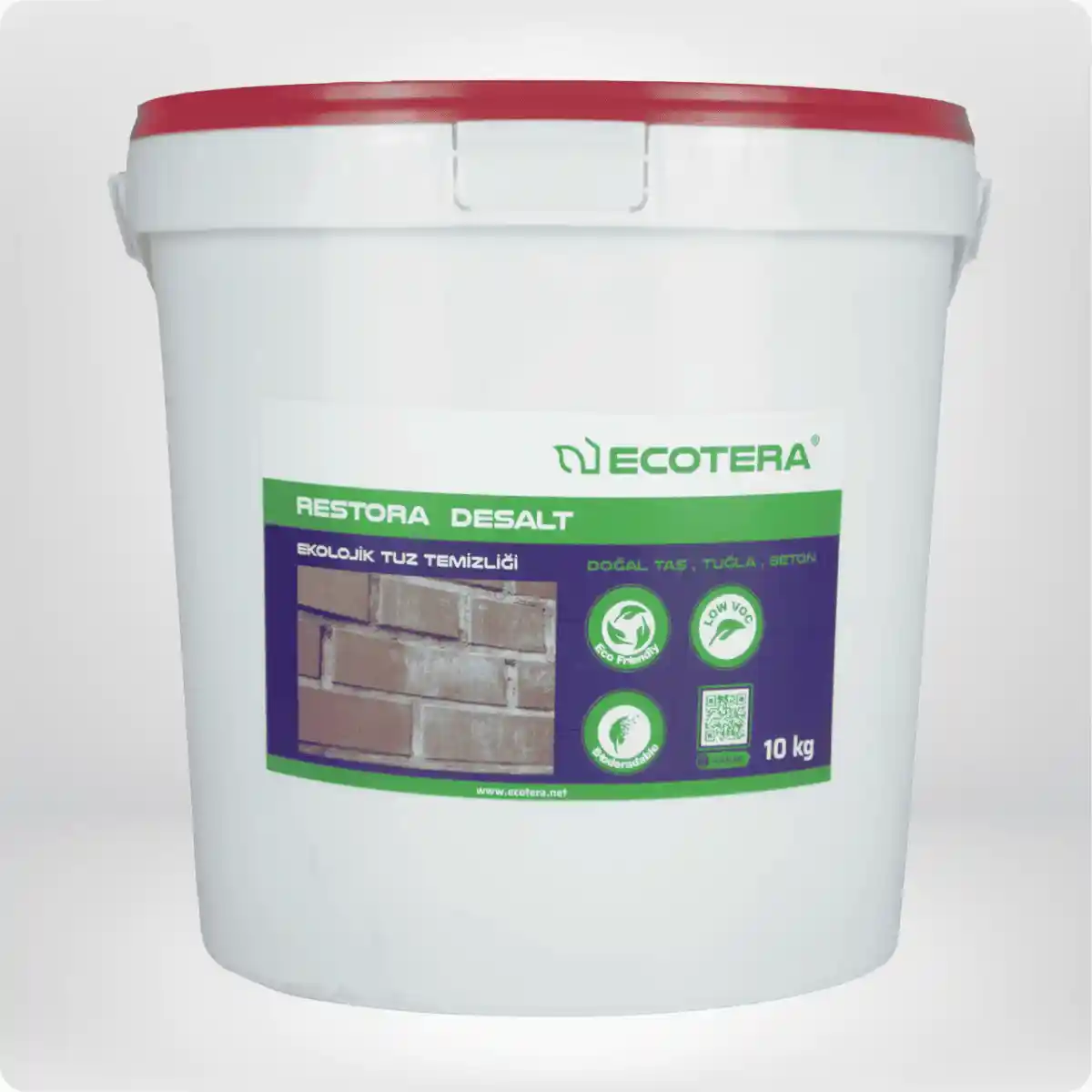
Restaurant Desalt: Salt Cleaning
Ecotera offers an innovative solution to the problem of salt buildup in buildings. Its Restora Desalt product absorbs, binds, and removes salts, particularly from the sensitive porous surfaces of historical buildings. Traditional methods of salt removal typically require water rinsing. However, this can cause the material to absorb more moisture, particularly in historical buildings, and restart the salt cycle. Restora Desalt can be safely applied almost year-round, regardless of weather conditions. It is effective on a variety of surfaces, including natural stone, brick, and historic plaster. It does not damage the surface during application or compromise the aesthetics of the building.
Restora Desalt is applied after moistening the surface with pure water. As the water penetrates the surface's pores, it mobilizes the soluble salts within. The applied Restora Desalt absorbs these salts and carries them to the surface. This removes the salt from the structure without causing any harmful effects.
Restora Desalt is made entirely from natural ingredients, free of chemical solvents or abrasives. It contains natural, biodegradable materials like high-purity cellulose. It can be used safely on sensitive surfaces.
Is Cleaning Sufficient?
Unfortunately, it would be a mistake to view salt removal as a sole solution. The underlying cause of salt buildup is water and moisture movement. Therefore, to prevent salt buildup, the factors that contribute to moisture must be eliminated.
Author: ecotera.net
Best regards...