
Salt Cleaning: Salt Crystallization

Salt Cleaning: Salt Crystallization
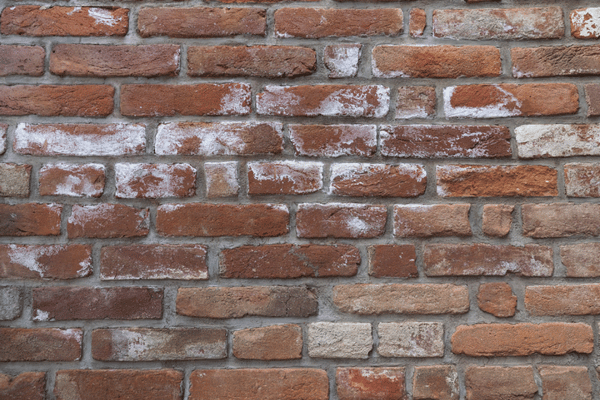
The white stains we often encounter on the walls of historic buildings that have stood for centuries, or on the concrete surfaces of modern structures, are actually caused by salts accumulated within the building materials rising to the surface. This is a serious problem known as " salt efflorescence " or " salt crystallization ," which damages the internal structure of materials over time. So, what causes this crystallization, how does it damage structures, and most importantly, how can it be cleaned?
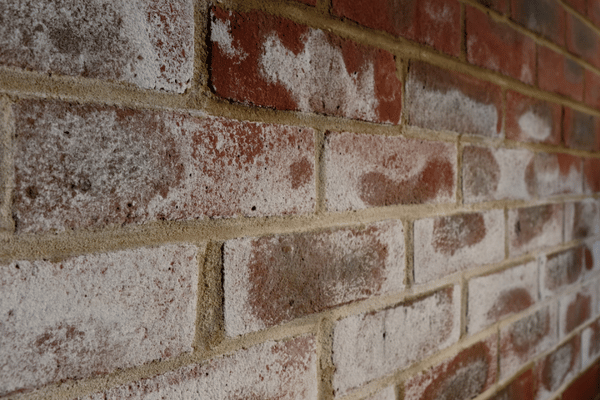
Effects of Salt Crystallization on Structures
Salt crystallization occurs when water-dissolved salts accumulate in the pores of building materials, solidify upon evaporation, and accumulate on the surface. This process is particularly noticeable in humid environments and buildings with poor waterproofing. White spots on the surface are not merely an aesthetic concern. Over time, the salt crystals expand, causing microcracks within the material. These cracks can cause extensive damage that can extend into the structural system of the building.
This problem is common in historical monuments and restoration projects because mortar and plaster used in the past may contain more salt than modern materials. Furthermore, the leaching of salts from groundwater into walls accelerates crystallization.
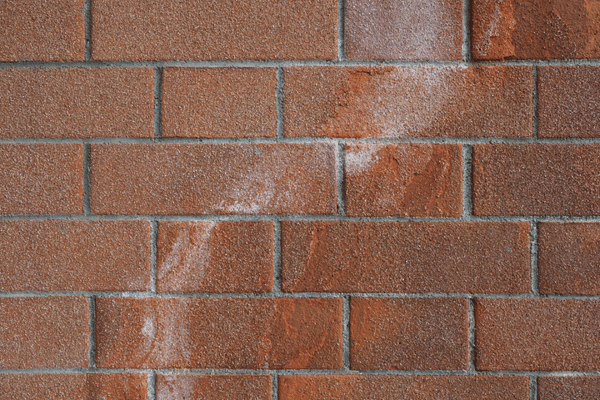
How to Clean Salt Crystallization: Traditional Methods and Modern Solutions
In the past, mechanical methods (brushing, scraping) or acid-based chemicals were used to remove salt stains . However, these methods cause surface wear and discoloration. Aggressive cleaning techniques, especially in historical buildings, can cause irreversible damage to the original material.
Today, thanks to specialized mortars like RESTORA DESALT , salts can be removed by absorption without eroding the surface. This method works in accordance with the porosity of the material, ensuring a thorough cleaning.
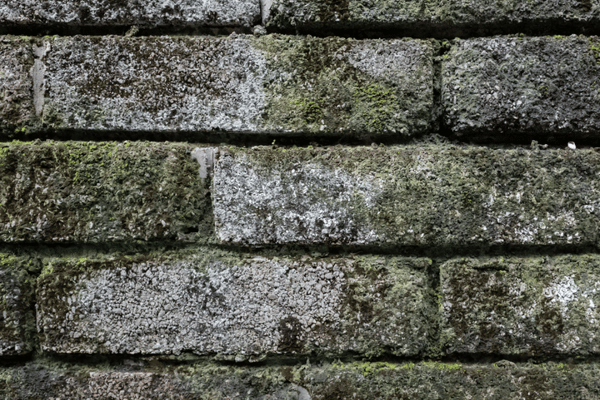
Salt Removal Process with Restaurant Desalt
For effective application, surface preparation is crucial. First, dust, dirt, and loose particles should be removed with a soft brush. Then, the surface is moistened with distilled water to open pores and facilitate the movement of salts.
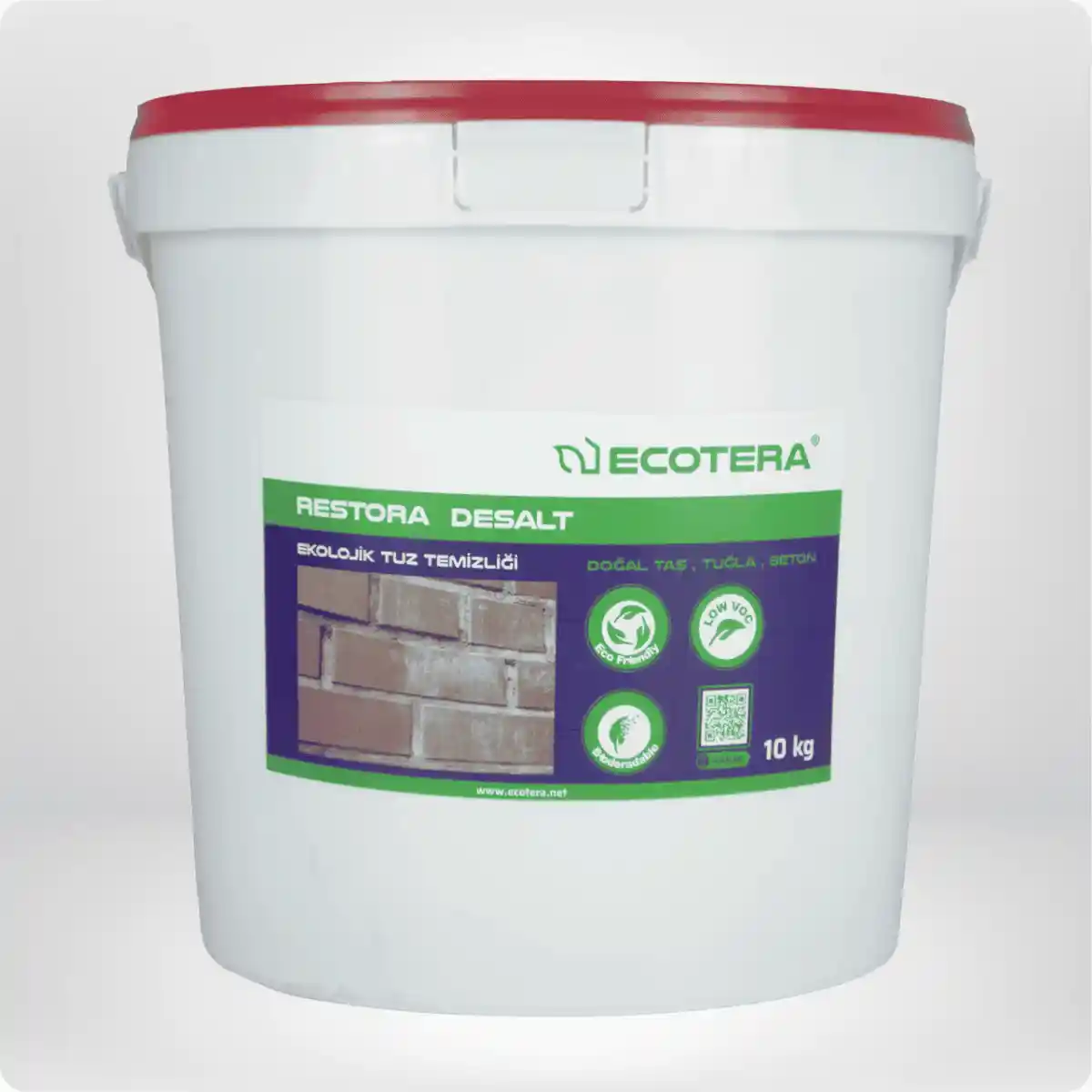
RESTORA DESALT , in its light creamy form, is applied evenly to the surface. Application time is typically 48 hours, but this period may be longer depending on the salt concentration. The amount of salt absorbed by the paste throughout the process is measured using conductivity to determine the most accurate cleaning time.
Once the process is complete, the dried paste is scraped off with a spatula, and the surface is given a final clean with a soft brush or damp cloth. This method is ideal for sensitive historical buildings, as it leaves no residue on the surface.
How to Prevent Salt Crystallization?
Salt cleaning is a temporary solution. To completely eliminate the problem, moisture and water leaks must be prevented. This requires the use of appropriate waterproofing systems in buildings. Furthermore, this problem can be prevented in new construction by choosing low-salt mortar and plaster materials.
In restoration projects, highly vapor-permeable, breathable protective products should be used to protect the surface after cleaning. Water-repellent chemicals should be chosen carefully, as they can trap salts.
Salt crystallization is a serious problem that cannot be ignored. Proper cleaning and protection methods can extend the life of buildings. Modern products like RESTORA DESALT offer a reliable solution. However, the most important thing is to use the right materials and techniques from the construction phase onward.
For More, You Can Check Out the Salt Cleaning Page...
Author: Ecotera.net
Best regards...