
Silicate-Based Consolidation Materials: Advantages and Application Techniques

Silicate-Based Consolidation Materials
One of the most effective and long-lasting solutions for natural stone restoration is silicate-based consolidation materials . These materials, widely used to preserve historical structures and enhance the durability of natural stone in modern architecture, strengthen the stone's internal structure while providing water resistance. So, how do silicate-based consolidation materials work? What differentiates them from other materials? What should be considered during application?
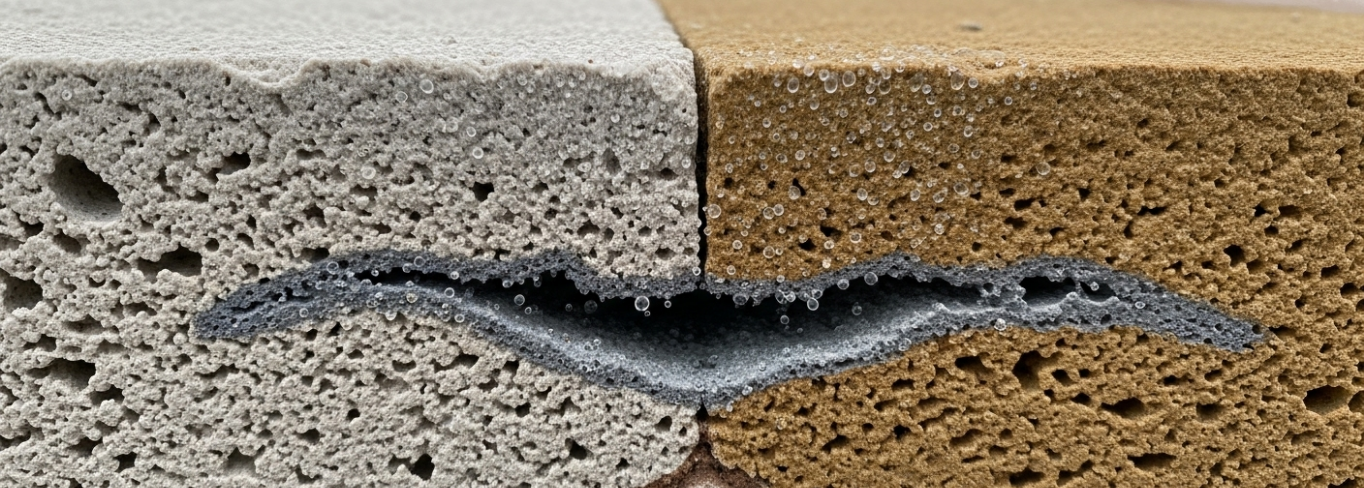
How Do Silicate Gel Precipitates Work?
Silicate-based consolidation materials contain alkaline silicate solutions (usually potassium or sodium silicate). These solutions penetrate the surface of the stone to which they are applied, causing a chemical reaction within the pores of the stone. Over time, the silicate solution, in contact with carbon dioxide (CO₂) and moisture in the environment, transforms into silica gel (SiO₂).
This gel fills the voids within the stone, strengthening the mechanical bonds. At the same time, the silica network it forms integrates harmoniously with the stone's original mineral structure. Thus:
- The internal resistance of the stone increases, dusting and abrasion on the surface are prevented.
- The pore structure is stabilized, thus reducing damage caused by water and salts.
- The original stone texture is preserved and the aesthetic appearance is not compromised.
This process is especially ideal for porous stones such as sandstone, limestone and marble.
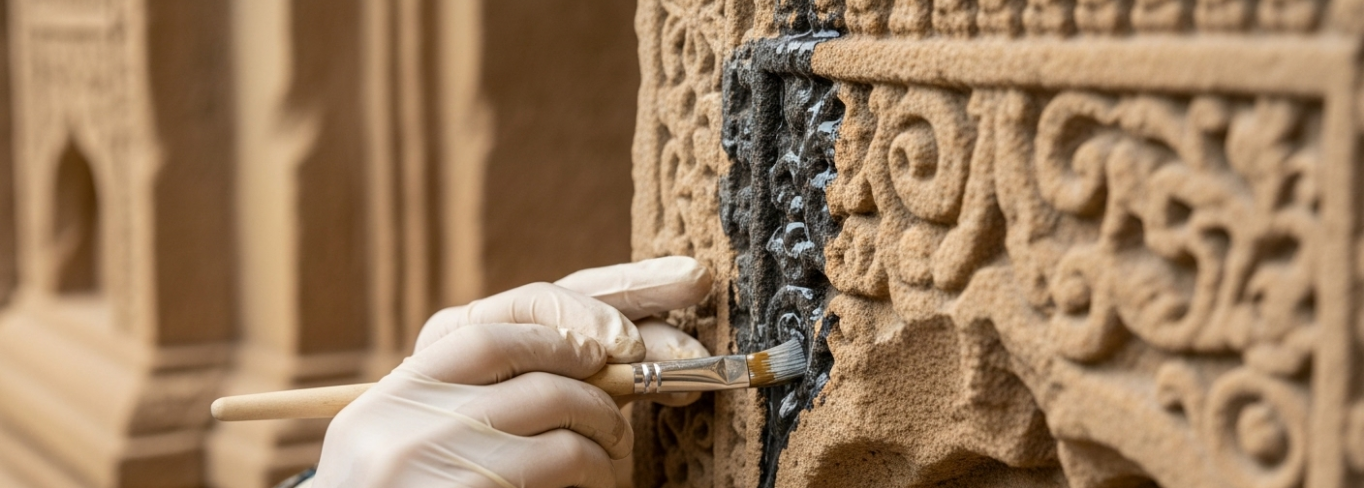
Water Resistance and Capillarity Protection Properties
One of the key advantages of silicate-based products is that they strengthen the stone while also making it water resistant. However, this doesn't prevent the stone from fully "breathing."
- Thanks to its hydrophobic (water repellent) feature, rain and moisture do not accumulate on the surface.
Capillarity is maintained, meaning water vapor continues to pass through the stone. This prevents moisture accumulation in the lower layers of the stone and subsequent crystallization and freeze-thaw damage.
- By preventing salt accumulation inside the stone, the risk of swelling and flaking caused by salts in the long term is reduced.
These properties make silicate-based consolidation materials superior to epoxy and acrylic resins, as these materials often completely seal the pores of the stone, which can lead to moisture trapping and internal decay.
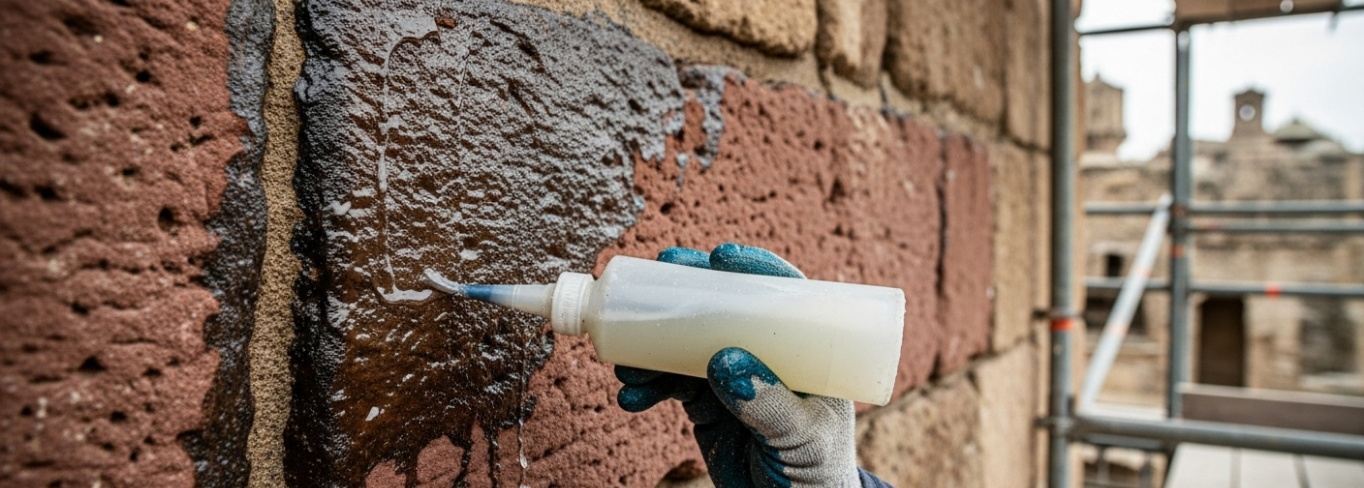
Comparison with Other Consolidation Materials
1- Silicate Based vs. Acrylic Resins
Acrylic resins are preferred for surface applications due to their fast-drying properties. However, they can yellow and become brittle over time.
- Silicate-based products are long-lasting and resistant to UV rays.
2- Silicate Based vs. Epoxy Resins
Epoxy resins have high bonding strength, but they prevent the stone from breathing. This can lead to internal moisture accumulation and, in the long run, internal cracking of the stone.
- Silicate-based materials , on the other hand, are compatible with the mineral structure and do not disrupt the natural balance of the stone.
3- Silicate-Based vs. Lime-Based Consolidation Materials
- Silicate-based products act faster and can be used on different types of stones.
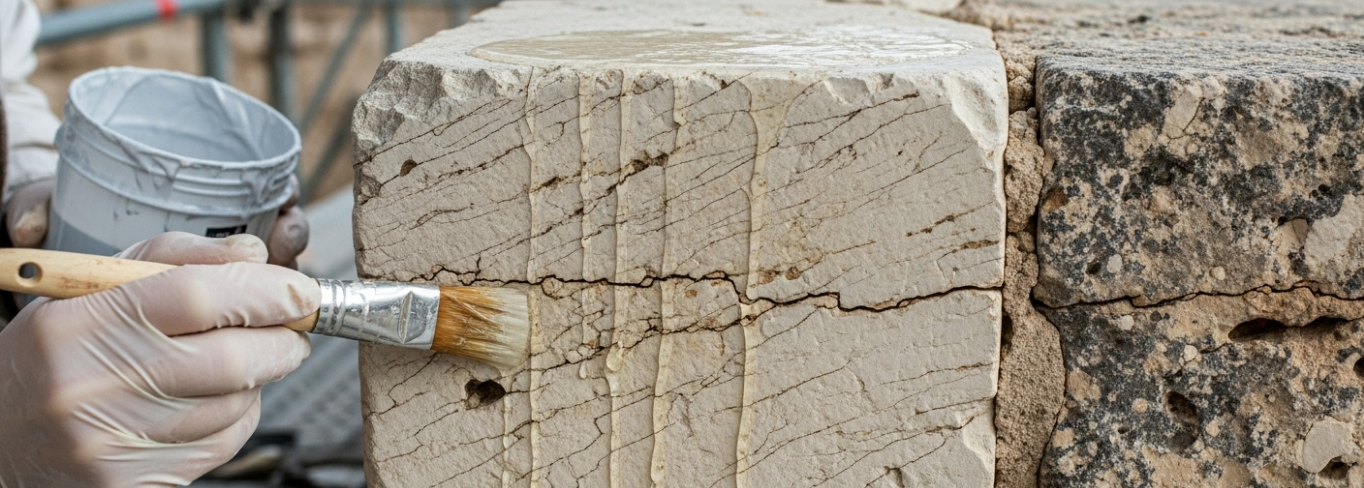
Optimal Application Techniques
- Surface Preparation: The stone surface must be cleaned and free from dust, oil and old coatings.
- Test Application: The reaction should be observed by testing in a small area.
- Saturated Impregnation: The consolidation material should be applied in a way that fills all the voids of the stone.
- Curing Time: Depending on the ambient temperature and humidity, full curing should be waited (usually 24-72 hours).
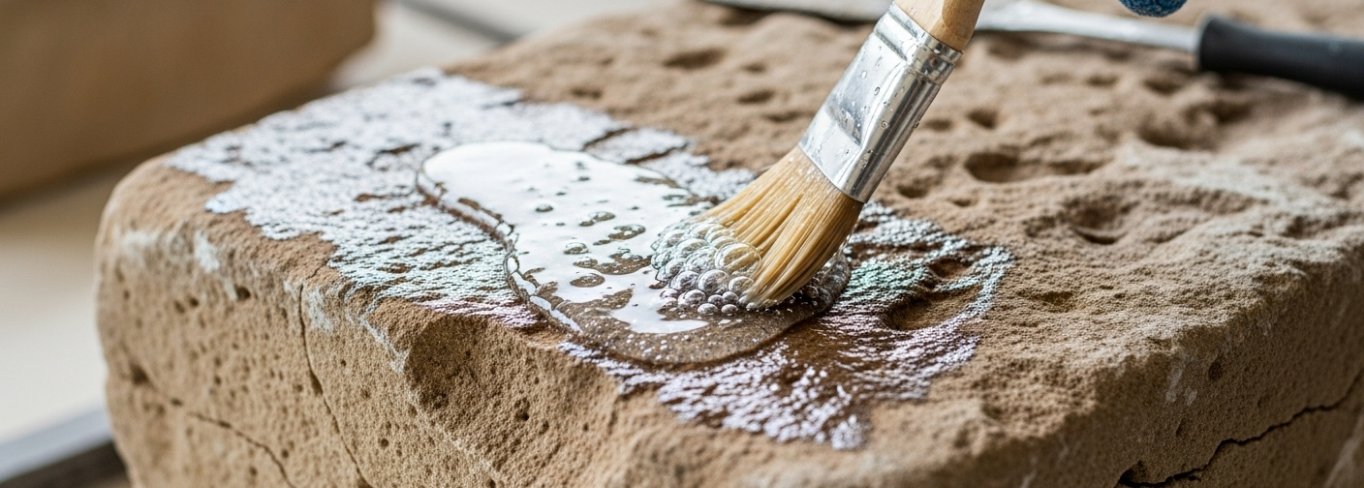
Silicate-based consolidation materials are one of the most reliable and durable solutions for natural stone restoration. They increase the stone's mechanical resistance while maintaining a balance of water resistance and capillarity. Compared to other materials, their longer lifespan, UV resistance, and aesthetic appeal make them indispensable for restoration projects.
If you want to protect a historical building or extend the life of your natural stones, you can choose silicate-based consolidation products.
For More Information, You Can Check Out Our Other Blog Posts...
More Blogs:
- Saturation & Absorbency in Natural Stone Consolidation
- Sandstone and Limestone Consolidation
Author: Ecotera.net
Best regards...