
Sustainability: What is Volatile Organic Compound & Its Importance in Restoration

What is VOC? The Importance of VOC in Restoration Products
VOCs (Volatile Organic Compounds) are organic chemicals that evaporate at room temperature and become airborne. They are found in many building materials, such as paints, adhesives, solvents, and varnishes. Common examples of VOCs include formaldehyde, benzene, toluene, and xylene.
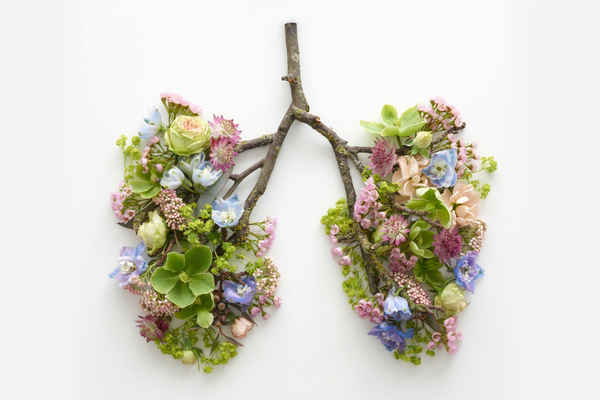
The Importance of VOCs in Restoration Products
Health Effects
Inhaling VOCs can cause serious health problems, including headaches, allergies, respiratory problems, and, in the long term, cancer. Using high-VOC products in enclosed spaces during restoration poses a risk to workers and users.

Environmental Impacts
VOCs cause photochemical reactions in the atmosphere that damage the ozone layer and increase the greenhouse effect. They can also contribute to soil and water pollution.

Protection of Historical Artifacts
High-VOC products, especially when used in historic buildings, can damage or discolor materials (wood, stone, frescoes). Low-VOC products preserve the original texture of the artifacts.
Sustainability
Low/zero VOC products like ECOTERA are critical for green building certifications (LEED, BREEAM) and meet sustainable and ecological standards in restoration projects.

Air Quality
After restoration, VOC residues can persist in the ambient air for extended periods. Low-VOC products improve indoor air quality (IAQ) and create livable spaces.
By choosing VOC-free or low-VOC products (such as those bearing the ESP System logo) in restoration, we protect human health and extend the lifespan of cultural heritage. This is the fundamental principle of sustainable and environmentally friendly restoration.
For More, You Can Check Out Our Other Blog Posts...
Author: Ecotera.net
Best regards...