
The Art of Preserving Historic Buildings: What is Restoration and What is Not?

Respect for the Past, Legacy for the Future: The True Meaning of Restoration
When we encounter a historical building, we listen to the stories it whispers to us. The weathered texture of the stones, the color of the wood, perhaps a faded inscription in a corner... All of these are documentary values that constitute the identity of that building and must be preserved. This is precisely where the concept of restoration comes into play, unfortunately often confused in society with misconceptions such as "renovation," "beautification," or "resetting the old." However, true restoration is the responsibility of keeping the building alive and passing it on to the future without erasing its historical traces.
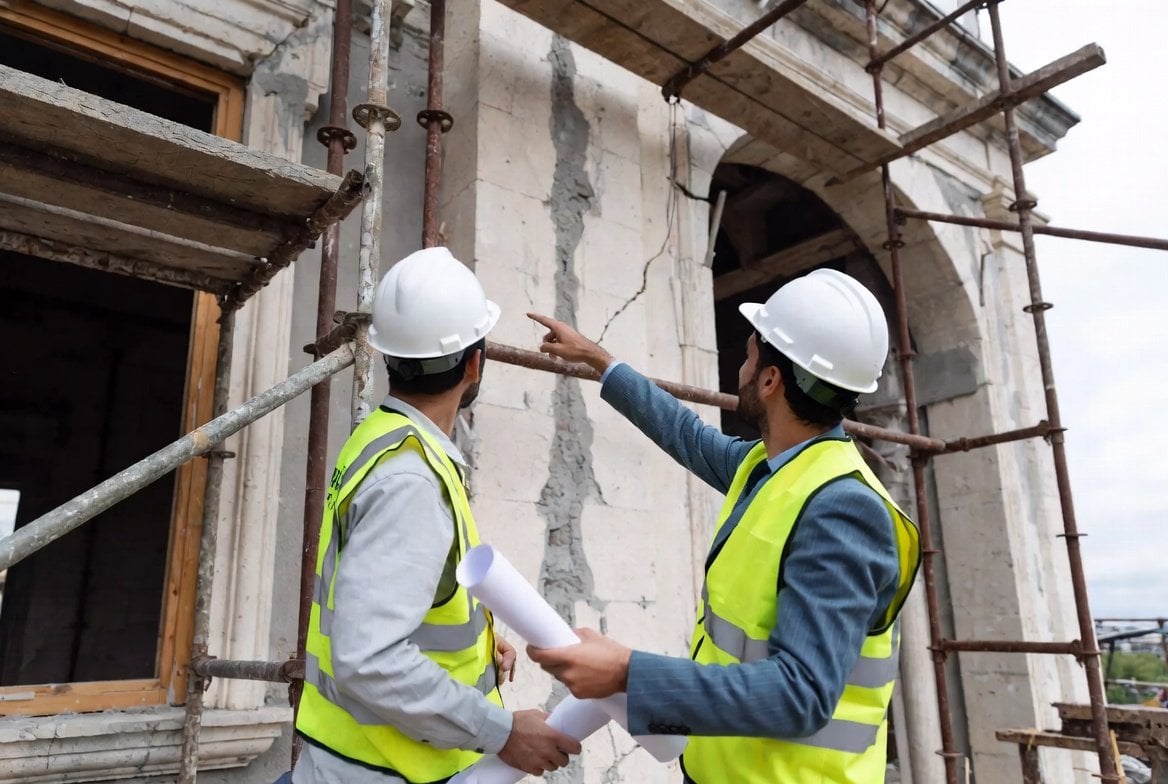 To preserve without erasing the traces of time.
What is Restoration? Its Purpose as a Conservation Discipline.
Restoration is a scientific conservation discipline that aims to extend the lifespan of cultural heritage assets (historical buildings) by respecting their historical, artistic, and documentary value without destroying these values. The main goal is not to erase or cover up the past; on the contrary, it is to preserve the traces of time on the building, physically strengthen it, and transmit it to future generations as an authentic historical document.
This process involves ensuring the structural integrity of the building without compromising the following characteristics:
- Original Material: The original stone, brick, and mortar must be preserved.
- Construction Technique: The design must adhere to the craftsmanship and engineering details of the period.
- Historical and Spatial Identity: The spirit of the building and its relationship with its environment must be considered.
Therefore, restoration is not just a job for a craftsman; it is an interdisciplinary activity carried out through the collaboration of architects, restorers, art historians, engineers, and scientists.
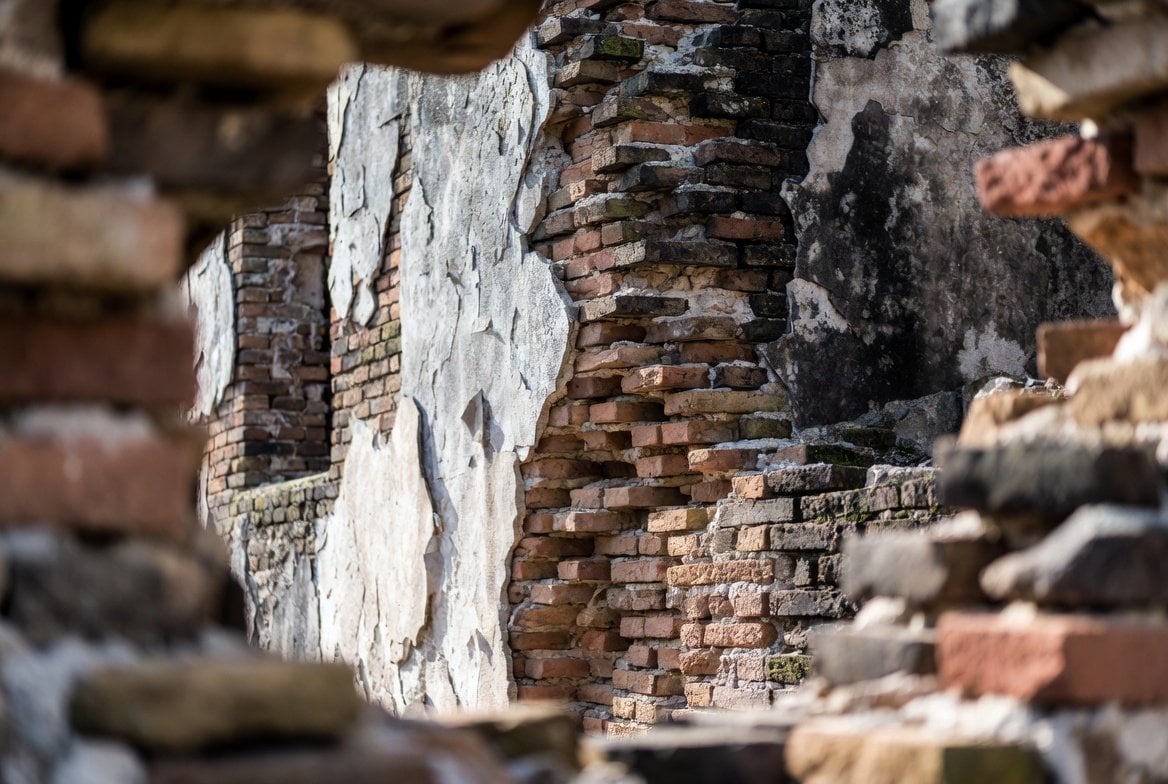
Five Fundamental Principles of Scientific Restoration
A successful restoration project adheres strictly to certain universally accepted fundamental principles:
- Preserving Authenticity and Historical Layers: Every crack, addition, or alteration to a building is part of its life story. Restoration must preserve these layers of documentary value.
- Minimum Intervention Principle: Only necessary and justified interventions are made to the structure. Unnecessary additions or removals made "for better appearance" are contrary to the purpose of preservation.
- Reversibility: Every intervention should be designed so that it can be reversed in the future, without damaging the structure, when technology advances or a better solution is found.
- Documentation (Surveying and Restitution): This is essential for restoration. Every stage of the process (the current state of the structure, every intervention made, original details found) is meticulously recorded with photographs, drawings, reports, and analyses. Restoration without documentation cannot be considered scientific.
- Scientific approach: Decisions are based not on personal opinions, but on material analysis, laboratory tests, historical research, and expert opinions .
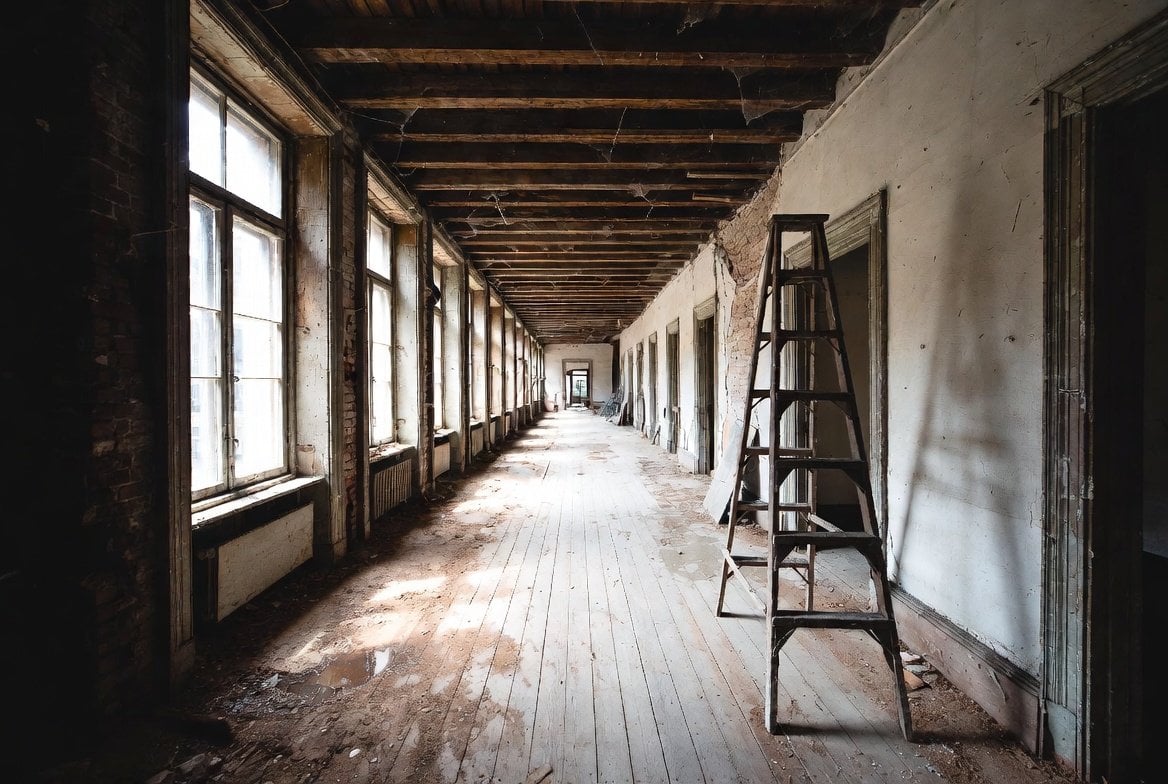
What Restoration Is Not: Common Critical Mistakes
To understand the limits of restoration, it is also very important to know what it is not:
- This is neither renovation nor reconstruction: attempting to restore a structure to its "original state" or a "new" appearance destroys its authenticity.
- Not a renovation: Modifying the original plan or structural elements (doors, windows, walls) to meet current needs is a structural alteration, not a restoration.
- This is not visual enhancement: Covering original surfaces with paint/plaster or applying coatings that destroy the material character of the structure is wrong.
- Not Aggressive Cleaning: Incorrect chemical or mechanical cleaning methods (such as using stiff wire brushes or sandblasting) that erode historical surfaces cause irreversible damage.
Why is proper restoration vitally important?
A wrong intervention can instantly erase a centuries-old historical document and identity. However, a proper, scientific restoration extends the physical life of the structure, ensures the continuity of cultural memory, and transmits a genuine and reliable historical source to future generations, not an artificial imitation.
Restoration is not an attempt to fit the past into the present, but a responsibility to shape the present in a way that respects the values of the past. An approach that understands the language of stone, wood, and mortar, listens to their stories, and charts its course with science and ethics is the only way to truly preserve our heritage.