
Tips for Preventing Surface Staining

Solution Suggestions for Surface Staining
In our daily lives, our surfaces constantly struggle with various stains. From oil stains on kitchen countertops to soap residue on bathroom surfaces to dirt and algae buildup on exterior surfaces and more. So, are there ways to prevent these stains before they occur? Here are some tips for preventing surface stains and solutions that provide long-lasting protection.
Why Are Preventive Measures Important in Combating Surface Stains?
Cleaning stains once they've formed can be both laborious and damaging to surfaces. Porous surfaces like marble, concrete, and brick, in particular, can quickly absorb liquids and leave permanent marks. Therefore, it's essential to act on the principle that "prevention is more effective than cure."
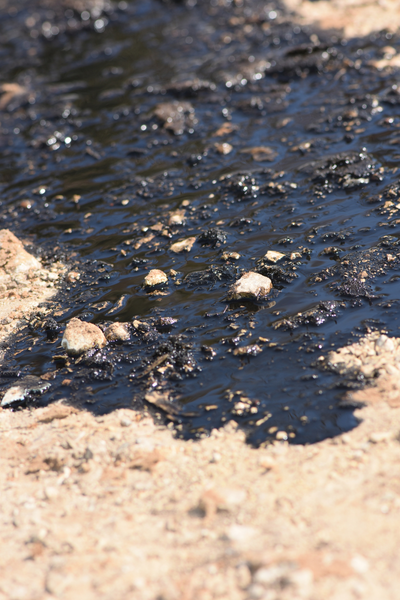
Main Factors That Trigger Stain Formation:
Water and moisture: Water accumulating especially in bathrooms and exterior walls causes mineral buildup and stains over time.
- Oil and food residues: Oil stains on kitchen counters and floors spread quickly, causing difficult cleaning processes.
- External factors: Air pollution, pollen, moss and algae formation create unwanted stains on exterior facades .
- Acidic substances: Acidic cleaners such as vinegar and lemon juice can have a corrosive effect on some surfaces.
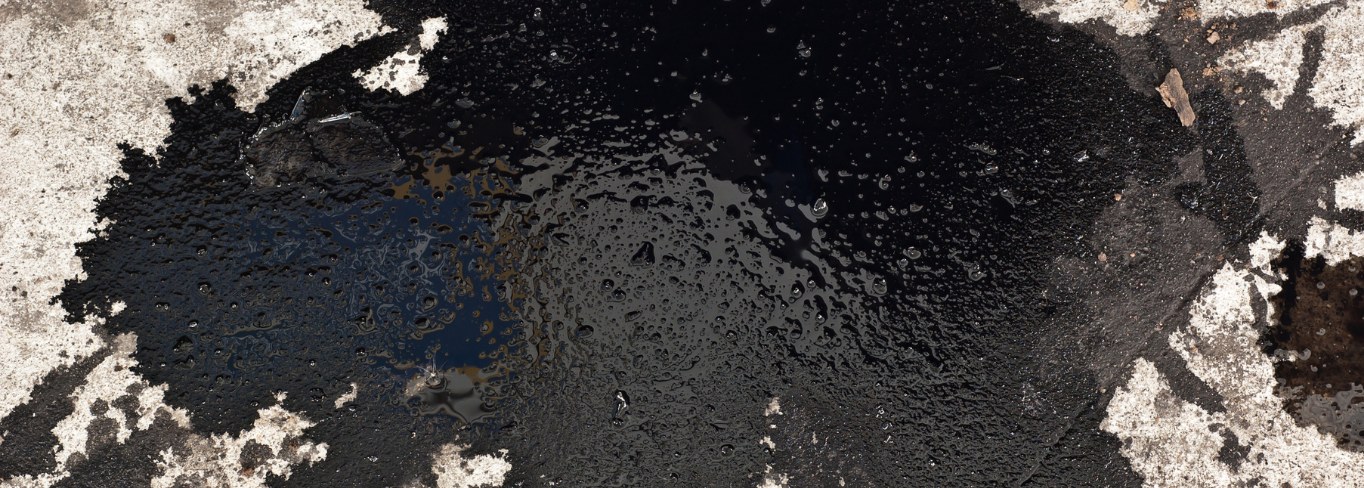
5 Effective Ways to Prevent Stains
1- Use the Right Surface Protection Products
Using protective coatings suitable for your surfaces largely prevents stains from forming. Nanotechnological coatings with water- and oil-repellent properties protect your surfaces from dirt, moisture, and oil, keeping them clean for long periods of time.
2- Perform Regular Maintenance
Wiping down your surfaces weekly with appropriate cleaners will help prevent accumulated dirt and stains. pH-neutral cleaners are especially ideal for natural stone and marble surfaces.
3- Early Intervention
Addressing a stain immediately prevents it from becoming permanent. Coffee, wine, and oil stains, in particular, spread quickly, so cleaning should not be delayed.
4- Prefer Breathable Surfaces
Closed, airtight surfaces lead to moisture accumulation and mold growth. Water vapor permeable protectors provide long-term protection by allowing surfaces to breathe.
5- Take Advantage of Professional Protection Products
Hydrophobic (water-repellent) coatings , especially for exterior facades and high-traffic areas, extend the life of surfaces and reduce maintenance costs. These products prevent rainwater from accumulating on the surface, preventing dirt from adhering.
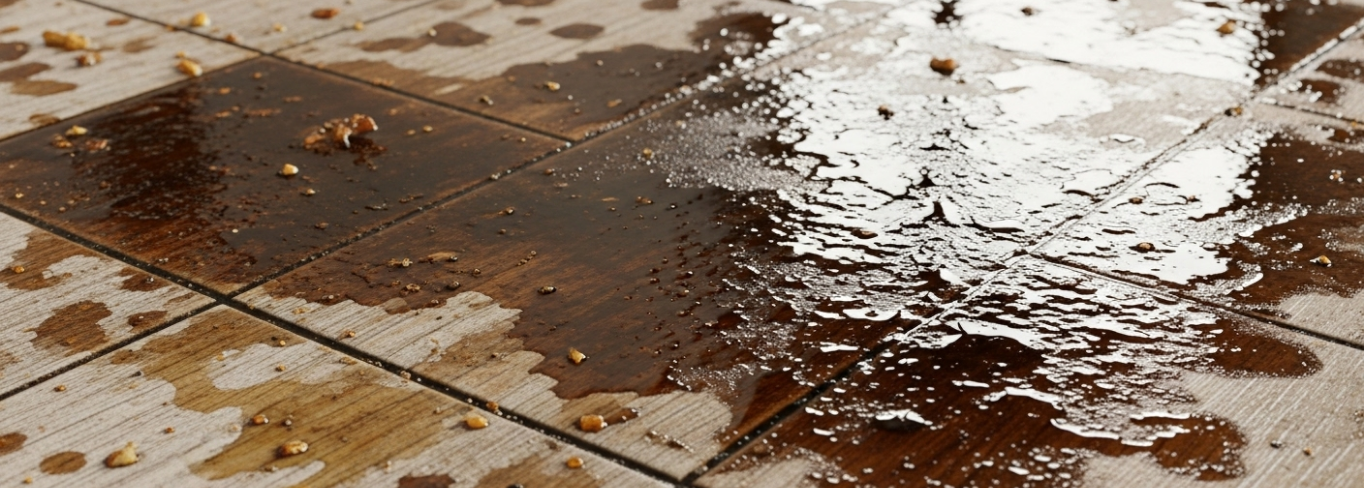
Which Protection Methods Are Suitable For Which Surfaces?
Marble and Granite Surfaces
- Avoid acidic cleaners.
- Use special water-repellent polishes.
- Clean with soft cloths to prevent abrasion.
Concrete and Brick Surfaces
- Apply protective liquids that close the pores.
- Use anti-moss solutions on exterior surfaces.
- Have it professionally cleaned once a year.
Tiles and Ceramics
- Seal the joints
- Wipe regularly to remove oil and soap stains.
- Avoid high-pressure water washing (may damage grouts).
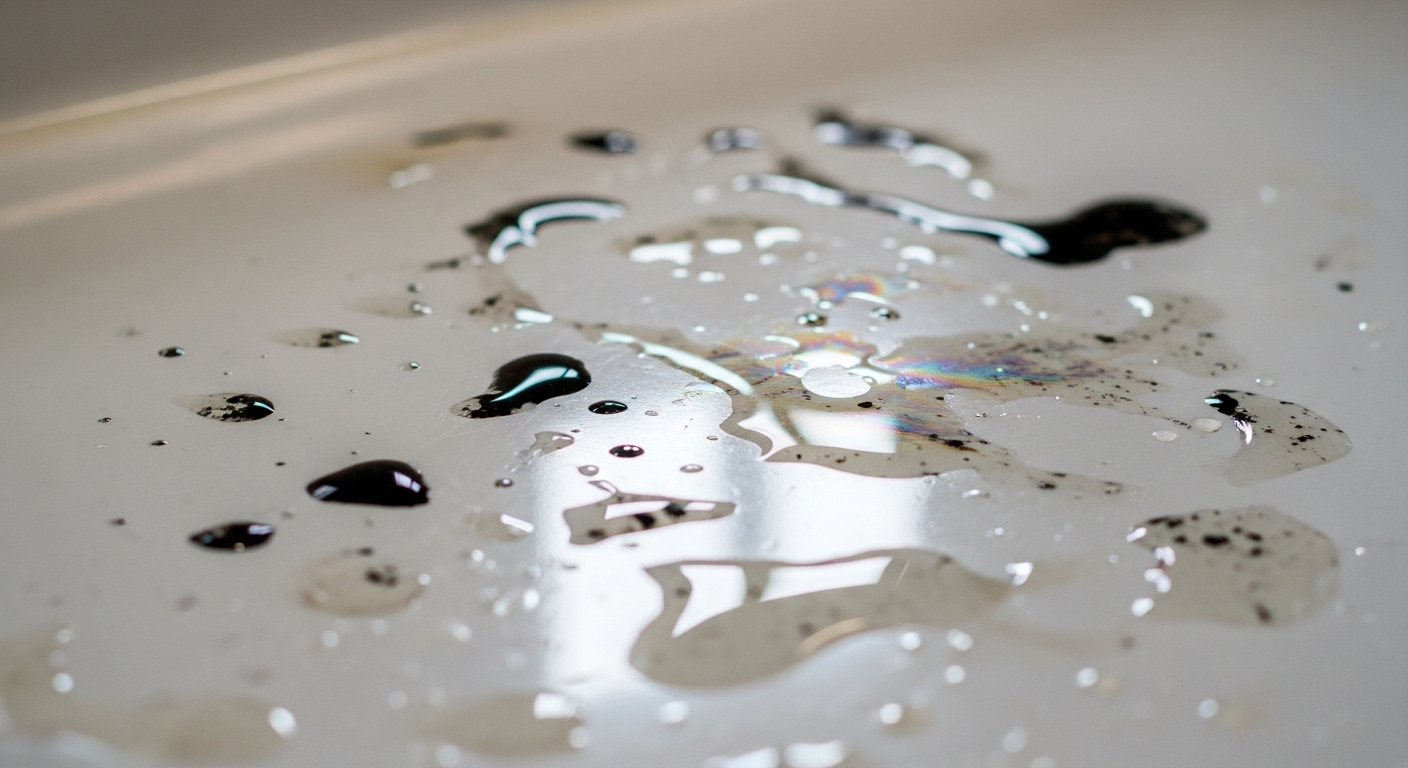
The most effective way to combat surface stains is to prevent them before they begin. Using the right protective products, performing regular maintenance, and choosing cleaning methods appropriate for the surface's characteristics will save you time and energy in the long run.
You can check out our other blog posts for more...
Author: Ecotera.net
Best regards...