
What is a Restoration Guide? | The Right Way to Protect Cultural Heritage

What is a Restoration Guide? A Technical Framework for Carrying Cultural Heritage into the Future.
The historical structures that constitute our cultural heritage are not merely made of stone, brick, or wood. They are the memory of the past, the carriers of our identity. Passing these valuable assets on to the future requires a restoration process carried out consciously, systematically, and with the right methods. This is precisely where the "restoration guide" comes into play.
So, what is this guide? A restoration guide is a comprehensive technical framework and roadmap that outlines the principles, analysis methodologies, evaluation criteria, and application standards to be followed before and during any intervention on a historical building. It is not a simple "how-to" guide, but a philosophical and scientific approach document that answers the questions of "why, when, and how."
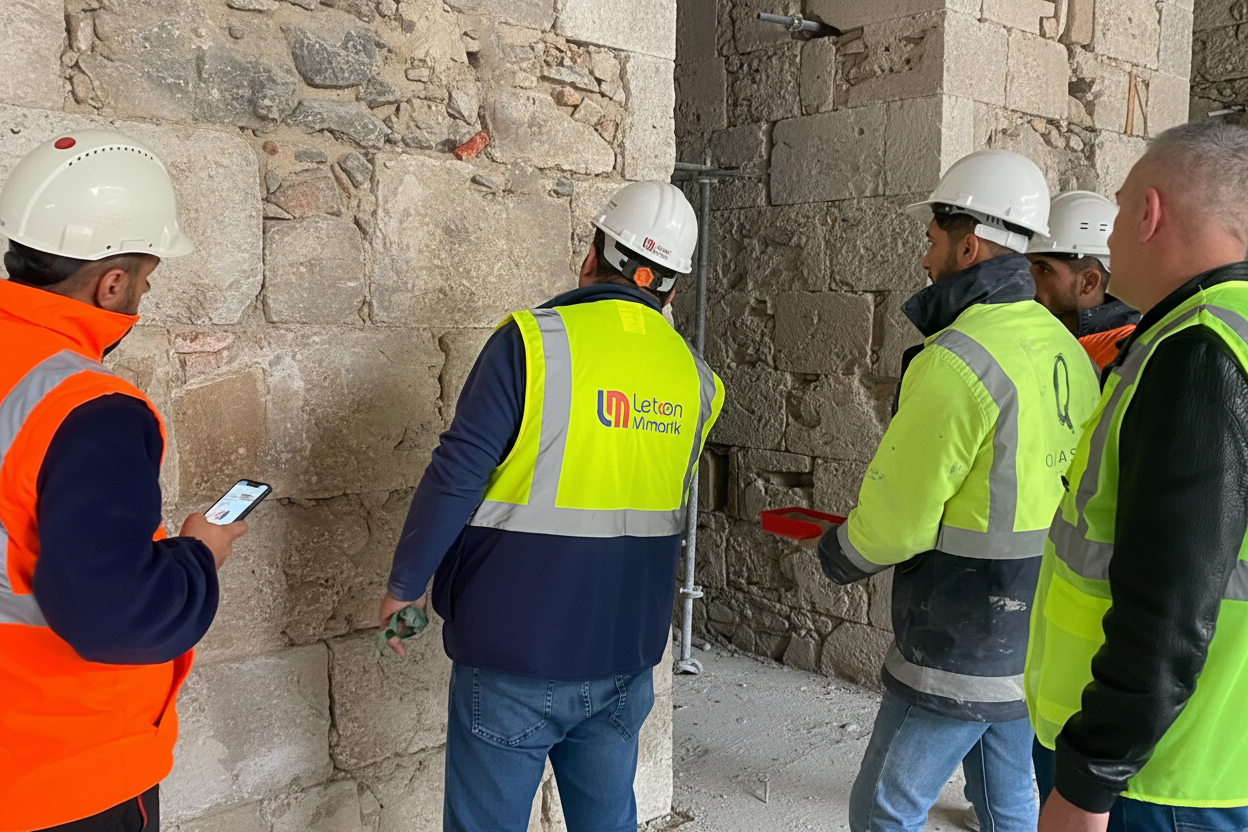 The memory of the past and the bearers of identity.
What are the main functions of a restoration guide?
A well-prepared restoration guide regulates not only the technical but also the ethical aspects of the process. Its main functions are:
- It Provides a Holistic Perspective: The guide does not view restoration as merely a "cleaning" or "repair" job. It requires a comprehensive assessment of the building's materials, environmental conditions, historical layers, and causes of deterioration. As the ECOTERA Restoration Guide emphasizes, any step taken without this assessment can invite new and bigger problems.
- It prioritizes analysis and accurate diagnosis: It doesn't offer ready-made solutions. Instead, it acknowledges that every structure, and even every problem area within a structure, is unique. It teaches that the process must begin with asking the right questions and understanding the true needs of the situation.
- It aims to prevent implementation errors: Based on field experience, it shows common mistakes and their long-term consequences. In this way, it aims to prevent interventions that are done with good intentions but damage the structure.
- It ensures linguistic and standardized communication: It creates a common technical language and understanding for all stakeholders involved in the project (architects, restorers, contractors, academics). This minimizes communication errors.
- It is an Educational and Reference Resource: As in the case of ECOTERA, by systematizing experiences in the field, it becomes an invaluable tool for transferring experience for the next generation of conservation experts, architects, and students.
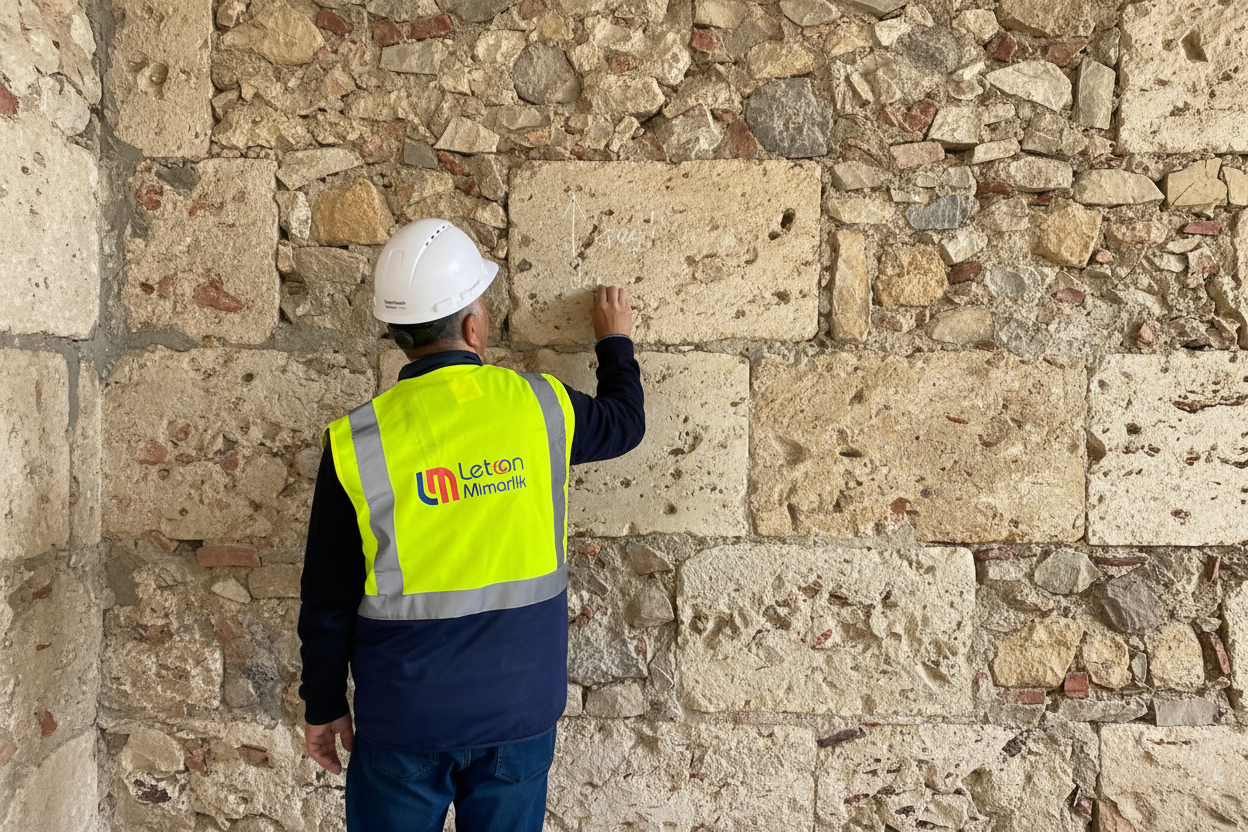 The importance of analysis and accurate diagnosis
Key Message to be Taken from the ECOTERA Restoration Guide
The most important point underlined in the guide's preface is that restoration is not a static outcome, but a dynamic and continuously learning process. It is based on the understanding that, in addition to acquiring knowledge, sharing that knowledge is also a responsibility. It is conceived not as a "recipe for absolute truths," but as "a framework that helps develop project-specific solutions."
Restoration guides are at the heart of cultural heritage conservation efforts. They act as a bulwark against haphazard or ad hoc solutions, and are a companion to a meticulous and respectful approach to preservation. Guides like ECOTERA, which blend field experience with theory, enable us to carry not only our structures but also our conservation awareness and ethics into the future. A good guide also teaches the intricacies of this art.