
What is Natural Stone Consolidation? Its Importance in Historical Artifact Restoration

What is Natural Stone Reinforcement? Its Importance in Historical Artifacts
Natural stone consolidation , also known as natural stone consolidation, is a restoration process used to restore the former strength of natural stone surfaces that have been damaged by time and environmental conditions, perhaps even suffered surface damage. It is a method often used in the restoration of historical artifacts. Many historical artifacts, from the past to the present, have suffered deterioration over the years due to factors such as weathering, pollution, humidity, biological factors, and temperature fluctuations. As a result of this deterioration, natural stone surfaces begin to crack and crumble.
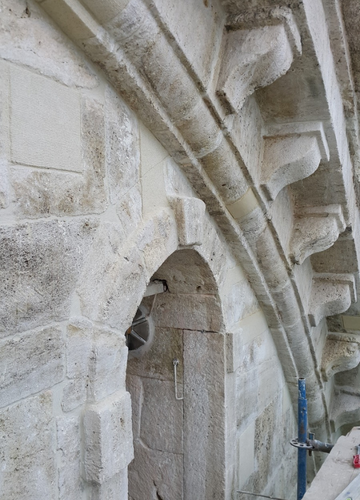
Natural stone consolidation aims to strengthen the stone from the inside out by applying special materials to the porous structure of the natural stone surface. This makes structures more durable, and aesthetically pleasing historical artifacts, in particular, are restored while preserving their original texture. This practice is used on stone surfaces valuable for cultural heritage, such as monuments, historical buildings, tombstones, and architectural ornaments. Thanks to the restorative and protective effects of natural stone consolidation, not only a structure but also a culture can be safely passed on to future generations.
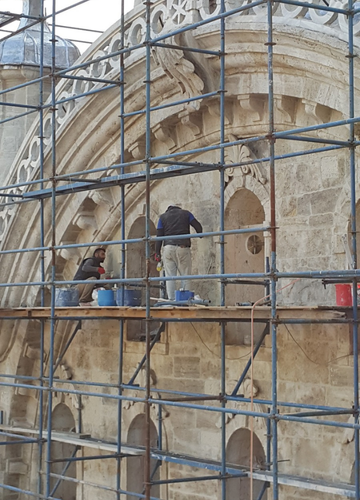
How is Natural Stone Consolidation Done?
Natural stone consolidation aims to re-strengthen weakened and weakened natural stone surfaces from the inside out. The materials used in these restoration processes are generally silicate-based consolidators. These materials penetrate deeply into the porous structure of the natural surface. The components within the stone react chemically with water, producing a very thin, transparent substance called silica gel. This gel hardens over time and rebuilds the stone's internal structure.
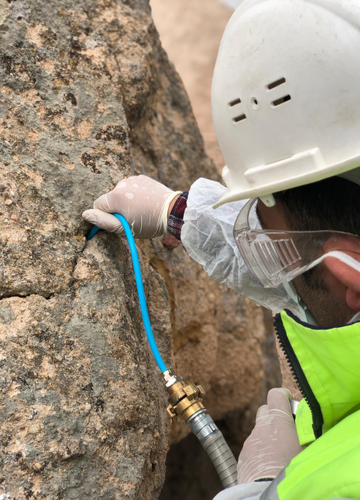
At the end of the process, the natural stone:
It becomes reinforced by being supported from within. Strength increases not only on the surface of the structure but also in the depth of the stone.
By reducing the water permeability of the surface, water from the outside environment is prevented from easily penetrating into the stone, thus preventing situations such as freezing, cracking and contamination.
Capillary water absorption is controlled. Natural stone continues to absorb and evaporate moisture evenly. This allows the natural stone surface to "breathe" but doesn't absorb harmful amounts of moisture.
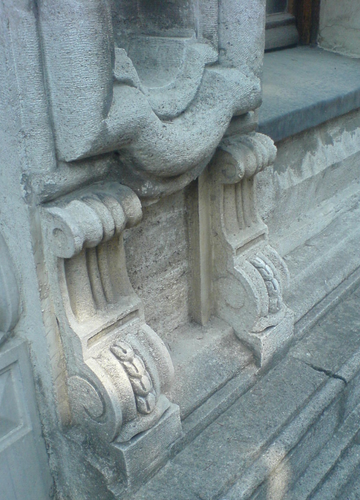
The original appearance and natural texture are preserved. Consolidation does not alter the color, surface texture, or aesthetic appearance of the natural stone.
While carrying out these processes, the application made to the surface of the stone should not remain only on the top layer, in other words, the stone should be completely saturated down to the solid areas.
If the consolidation material is applied only to the surface and does not penetrate deeply into the stone, the weaknesses deep within the stone will persist. In this case, while a brief improvement may be observed on the surface, deterioration will begin again over time.
Therefore, the stone's structure and the extent of the damage should be analyzed in advance. Application should be carried out carefully and in a controlled manner, in multiple layers if necessary. If the stone's absorbency varies in different areas, these differences should be balanced.
Natural stone consolidation is an essential part of historical monument restoration . Preserving the stone's unique character and preserving it for the future is possible with the right products and methods.
Author: ecotera.net
Best regards...