
Salt Removal: Causes of Salinization and Architectural Solutions

Architectural Solutions Against Salinization
Soluble salts contained in building materials rise to the surface under the influence of water and humidity, crystallizing as a result of evaporation. This phenomenon is called salinization (efflorescence). Salinization can accumulate not only on the surface but also within the pores of the material or beneath the coating ( latent efflorescence ). This poses serious risks to both historical and modern buildings, leading to structural deterioration and corrosion in the structural system.
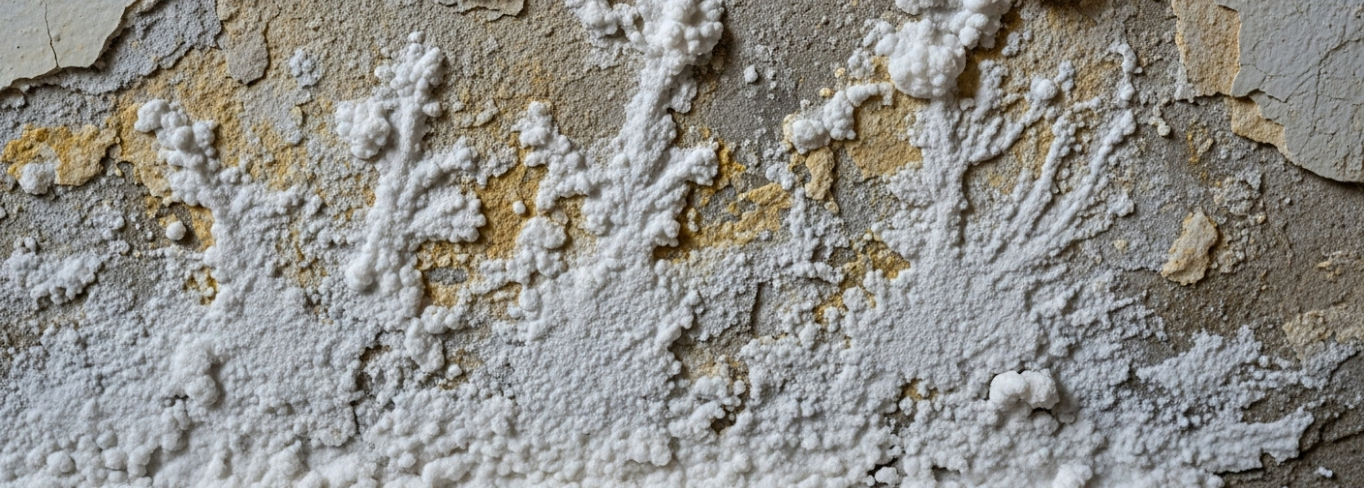
Main Causes of Salinity
Effect of Water and Humidity:
Water seeping into building materials dissolves the salts it contains and carries them to the surface. As the water evaporates, salt crystals accumulate, forming white spots on the surface.
- High humidity accelerates salt transport and increases damage.
Material Quality and Composition:
- Low quality cement, sand or aggregates may contain high amounts of soluble salts.
- Chlorides and sulphates used in reinforced concrete structures damage the structure over time.
Salts from the Ground:
- Salts in the soil reach the walls with the rise of capillary water and crystallize.
Atmospheric Factors:
- Salty air causes accumulation on the surfaces of seaside buildings.
- Freeze-thaw cycles cause salts to expand and break down the material.
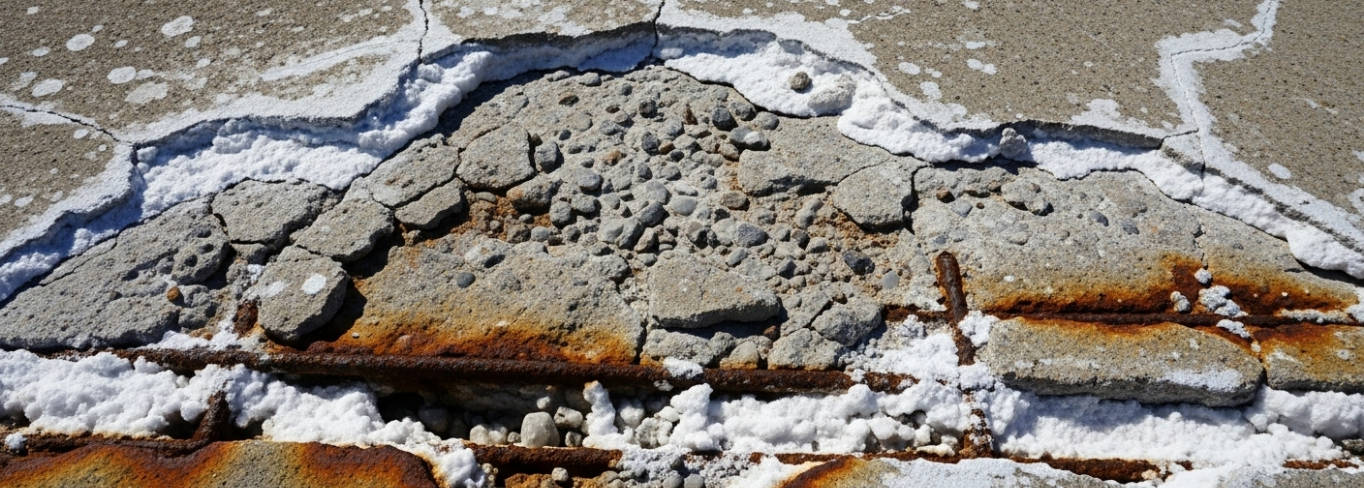
Architectural Solutions Against Salinization
1- Structural Measures and Material Selection
Waterproofing:
- Waterproof membranes should be used on foundations and walls.
- Hydrophobic chemicals should be applied to prevent capillary water rise.
Breathable Materials:
- To prevent salt accumulation , porous materials that allow vapor diffusion (lime-based plasters, natural stone) should be preferred.
Use of Quality Mortar and Concrete:
- Cement with low alkali content and aggregates with high salt resistance should be used.
2- Restoration and Protection Methods
Salt Cleaning Systems:
- Special chemicals such as Restora Desalt provide effective cleaning by neutralizing the salts on the surface.
- Systems that do not require intervention with water provide a fast and safe solution for historical buildings.
Surface Protective Coatings:
- After the salt buildup is cleaned, siloxane-based hydrophobic protectors should be applied to prevent moisture and salt ingress.
3- Control of Environmental and Climatic Factors
Drainage Systems:
- Water accumulation should be prevented by designing appropriate slopes and drainage channels around the building.
Ventilation:
- Natural ventilation and vapor barriers should be used to reduce moisture accumulation.
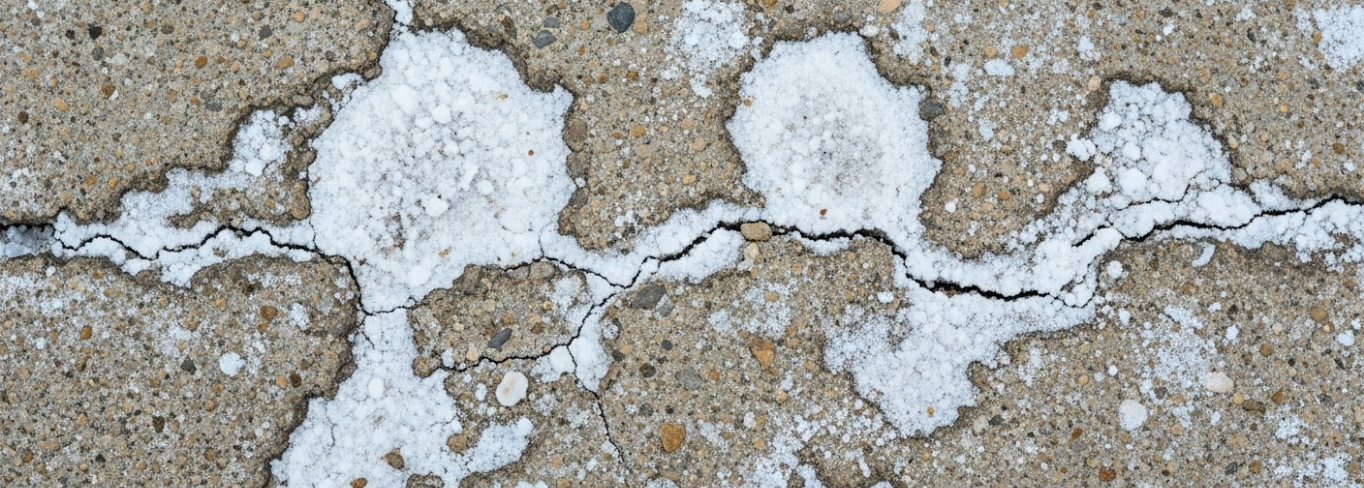
Salinization is a serious problem that shortens the lifespan of buildings. This problem can be minimized with the right material selection, waterproofing, and restoration techniques. The Ecotera product portfolio provides holistic solutions for salt removal and moisture control, ensuring the longevity of buildings.
For More Information, You Can Check Out Our Other Blog Posts or Salt Cleansing Page...
Other Blogs:
- Humidity and Condensation: The Main Causes of Mold
- What is Freeze and Thaw Damage?
Author: Ecotera.net
Best regards...